FAA Implements Stricter Supervision Rules for Runway Procedures
New mandatory staffing requirements for 'Line Up and Wait' operations may impact departure times during the busy Thanksgiving travel week.
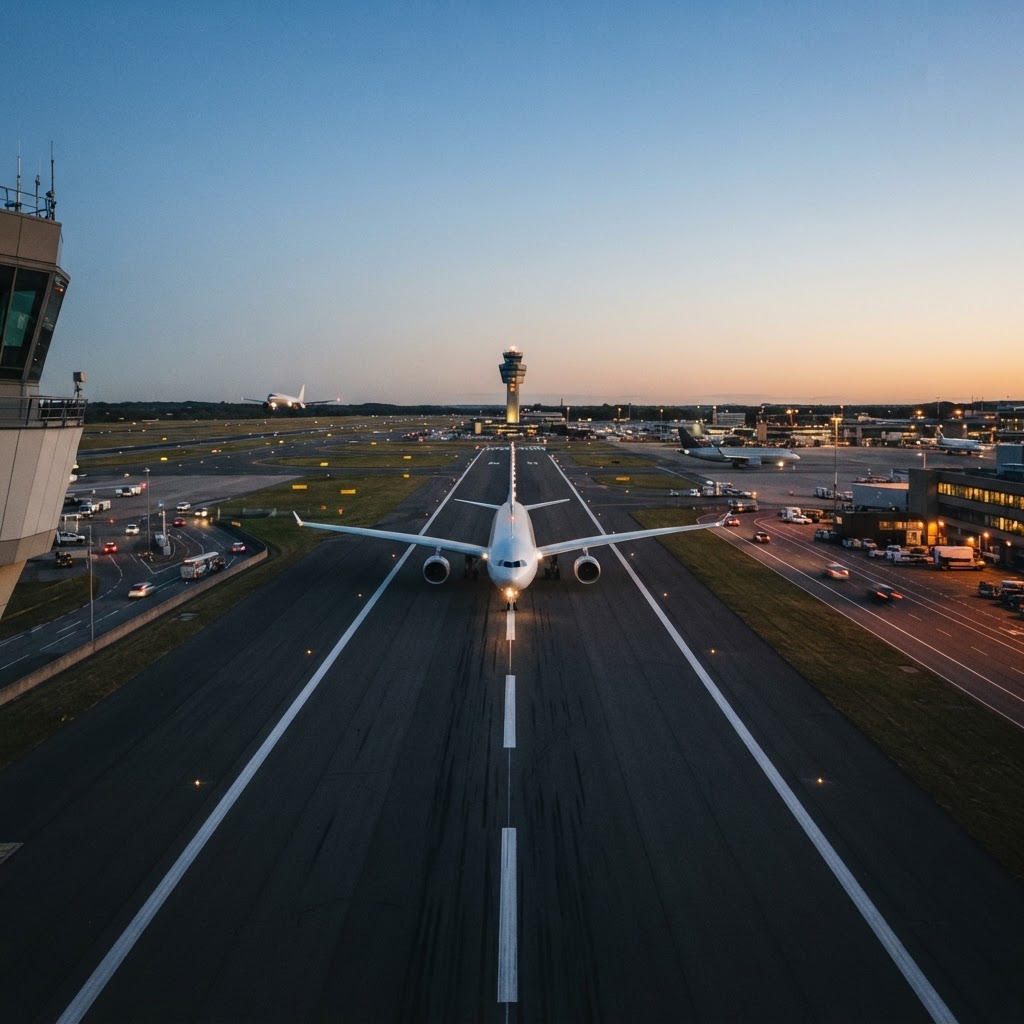
The Federal Aviation Administration has introduced a significant policy change regarding the common air traffic control procedure known as 'Line Up and Wait' (LUAW). Effective November 24, 2026, the agency now mandates that a dedicated, stand-alone supervisor or controller-in-charge must be on duty whenever this procedure is utilized. This directive, outlined in FAA Notice JO 7210.979, shifts previous guidance from a recommendation to a binding operational requirement.
Under the new rules, the designated supervisor must focus exclusively on their oversight duties and cannot be assigned to any other operational tasks simultaneously. This change is intended to eliminate ambiguity in staffing and enhance safety by ensuring that a dedicated professional is monitoring the runway environment. The policy is scheduled to remain in effect through June 9, 2027, unless it is extended or replaced by the agency.
'Line Up and Wait' is a standard technique where controllers instruct an aircraft to taxi onto the runway and hold in position before receiving formal takeoff clearance. By positioning planes in advance, the procedure typically improves airport efficiency and increases the number of departures a runway can handle. However, the new mandate means that if a facility lacks the personnel to staff a dedicated supervisor, they are prohibited from using the LUAW technique.
At airports facing controller shortages or staffing constraints, this requirement may lead to slower departure flows. Instead of waiting on the runway, aircraft will be held at taxiway points until they are cleared for immediate takeoff. While the FAA has not provided specific delay estimates, industry experts suggest that travelers should anticipate potential bottlenecks, particularly as the nation enters one of its busiest air travel periods of the year.
It is important to note that the procedure has not been banned. Towers that can meet the new staffing criteria may continue to use the practice as normal. The FAA maintains that these stricter standards are a necessary step to bolster safety protocols, ensuring that the high-pressure environment of an active runway receives the full attention of a dedicated supervisor.
RELATED DISPATCHES


Discussion (0)
No comments yet. Be the first to join the discussion.