International Court of Justice Rules Myanmar Committed Genocide Against Rohingya
In a historic first, the UN's highest court has held a state responsible for violating the 1948 Genocide Convention.
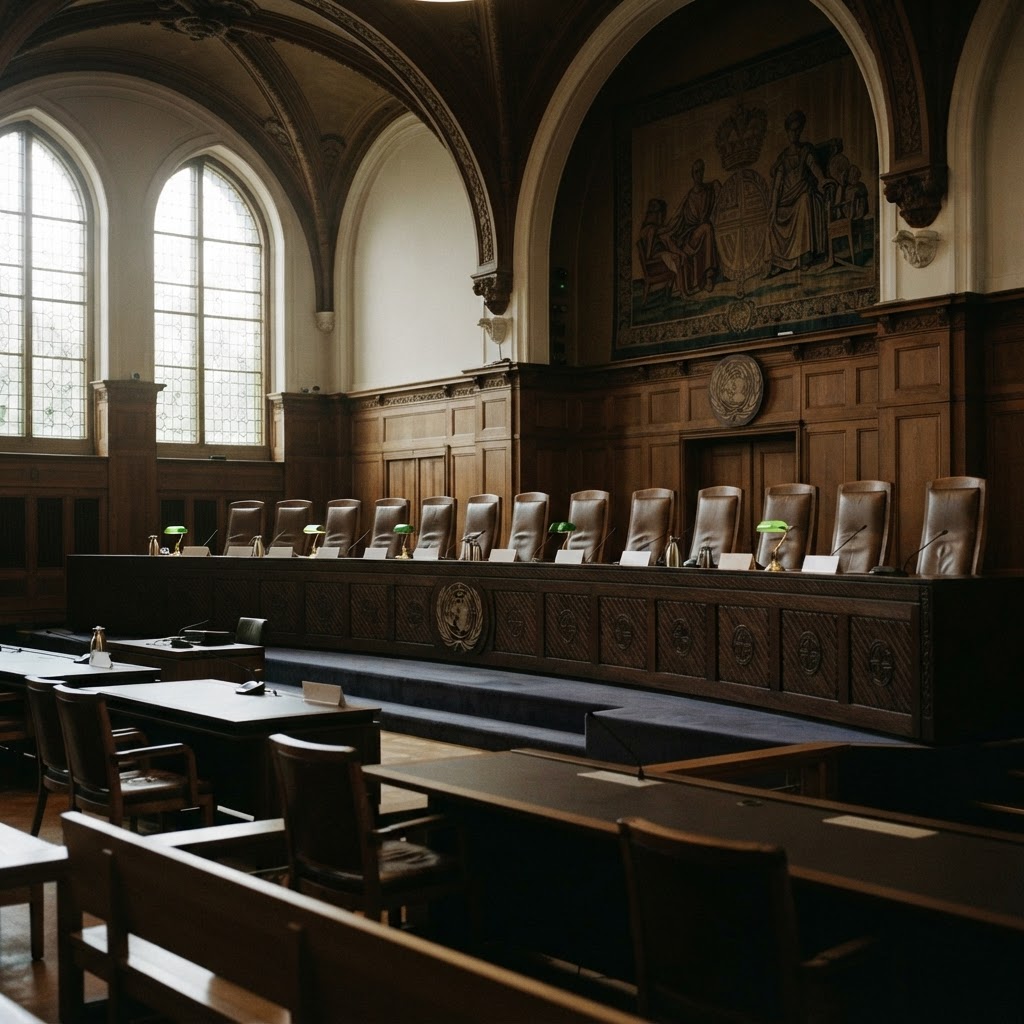
In a landmark decision delivered on November 19, 2026, the International Court of Justice (ICJ) officially ruled that Myanmar committed genocide against the Rohingya, a Muslim ethnic minority. This ruling marks the first time in history that the UN’s principal judicial organ has found a sovereign state responsible for the crime of genocide since the establishment of the 1948 Genocide Convention. The case, initiated by The Gambia in 2019, centered on the brutal military 'clearance operations' conducted in northern Rakhine State in 2017.
Presiding over the case, ICJ President Yuji Iwasawa detailed how Myanmar’s security forces engaged in a systematic campaign of violence. The court determined that the military carried out mass killings, inflicted severe physical and mental harm, and implemented measures specifically designed to prevent births within the Rohingya population. Judges concluded that these actions were not isolated incidents but part of an organized process with the clear intent to destroy a substantial portion of the Rohingya group.
Evidence presented to the court included harrowing testimonies of survivors, reports of villages being razed, and widespread accounts of sexual violence. The court noted that the systematic nature of these atrocities, including the targeting of infants and the destruction of homes to be replaced by security infrastructure, left no other reasonable explanation than genocidal intent. By a 9-6 vote, the court affirmed that Myanmar failed in its legal obligation to prevent these crimes or punish those responsible.
As a result of the judgment, the ICJ has issued binding orders requiring Myanmar to take immediate action. The regime must cease all ongoing violations, enact legislation to uphold the Genocide Convention, and conduct thorough investigations to prosecute perpetrators. Furthermore, the court mandated that Myanmar facilitate the safe, voluntary, and dignified return of displaced Rohingya to their homes, provide restitution for lost property, and offer compensation where full restoration is not possible.
While the ruling is a significant victory for international justice, the path to implementation remains uncertain, as Myanmar’s military leadership has rejected the court's findings. International observers and human rights organizations are now calling on the global community to exert pressure on the junta to comply with the court's orders. The judgment is expected to serve as a critical precedent for future international legal proceedings regarding state accountability for mass atrocities.
RELATED DISPATCHES


Discussion (0)
No comments yet. Be the first to join the discussion.