Internal Documents Suggest Tech Giants Acknowledged AI Training as 'Theft'
Newly unsealed court filings reveal that executives at Microsoft and OpenAI privately expressed concerns that their AI training methods constituted a massive misappropriation of labor.
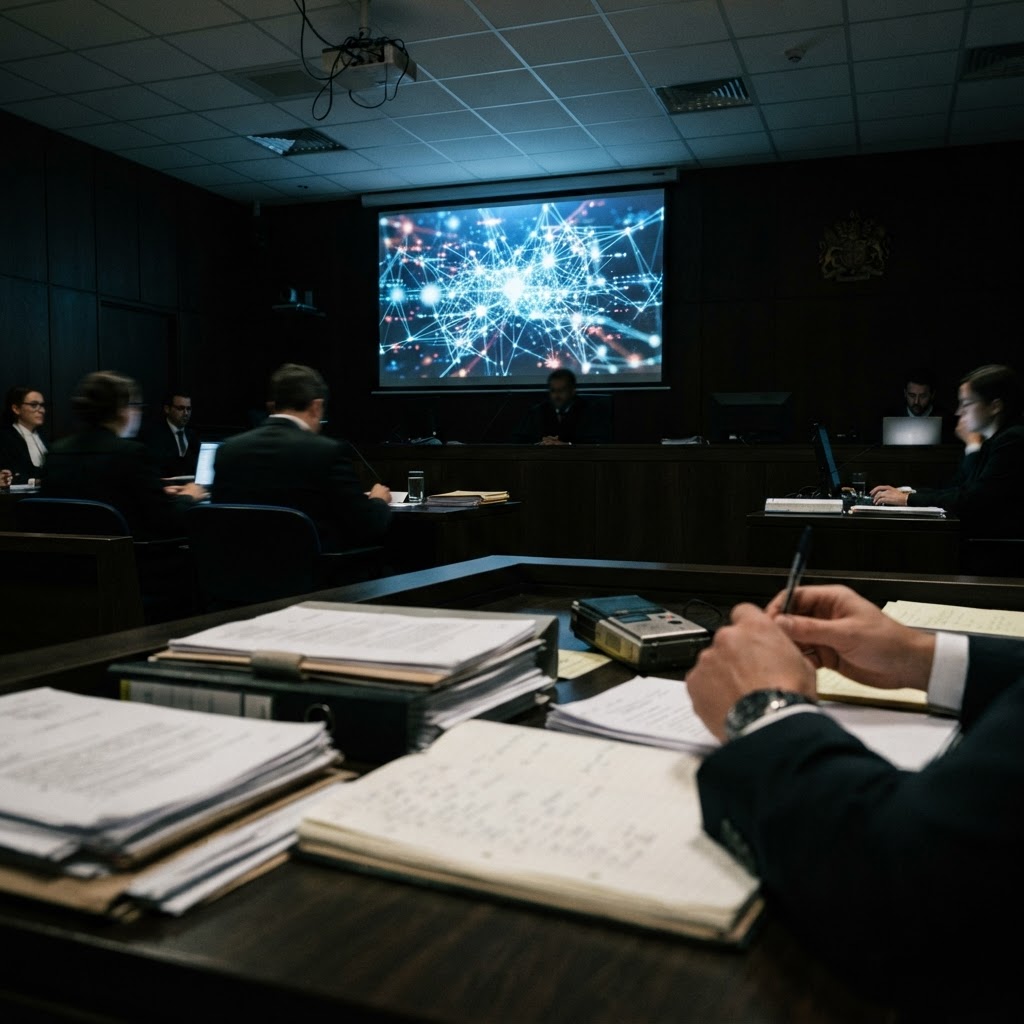
The ongoing legal confrontation between The New York Times and the partnership of Microsoft and OpenAI has intensified following the release of internal court documents. These records suggest that leadership at both technology firms were privately aware that their methods for training artificial intelligence models—which involved scraping vast quantities of copyrighted news articles—could be characterized as a form of intellectual property theft. One Microsoft executive reportedly went as far as to describe the process as the 'largest theft of labor in human history.'
Beyond the moral implications, the documents highlight a deep-seated anxiety among these companies regarding the long-term viability of the journalism industry. Internal communications reveal that executives viewed their own AI products as an existential threat to news publishers. They specifically identified a 'doom loop' scenario where AI-driven chatbots effectively replace the need for users to visit news websites, thereby cannibalizing the traffic and revenue that sustain professional reporting.
Data presented in the case underscores the severity of this impact, with reports indicating that Microsoft’s Copilot tool contributed to a 93% decline in click-through rates for certain New York Times content. The plaintiffs argue that these companies knowingly bypassed paywalls and stripped copyright notices from training datasets to fuel their models, all while publicly maintaining that their actions fell under the legal umbrella of 'fair use.'
This legal battle has expanded significantly since its inception in 2023, with other major media organizations—including The Seattle Times, Newsday, and various investigative outlets—joining the effort to seek damages. While the U.S. Department of Justice has previously expressed concerns that a ruling against the tech companies could hinder national security and AI development, the plaintiffs remain focused on the unauthorized exploitation of their work. As the case proceeds, the focus remains on whether the massive scale of data ingestion by these AI systems constitutes a transformative use or a systematic violation of copyright law.
RELATED DISPATCHES



Discussion (0)
No comments yet. Be the first to join the discussion.