India Advances Energy Storage and Infrastructure Goals
The Indian government approves a major energy storage investment as the nation continues to modernize its industrial and technological landscape.
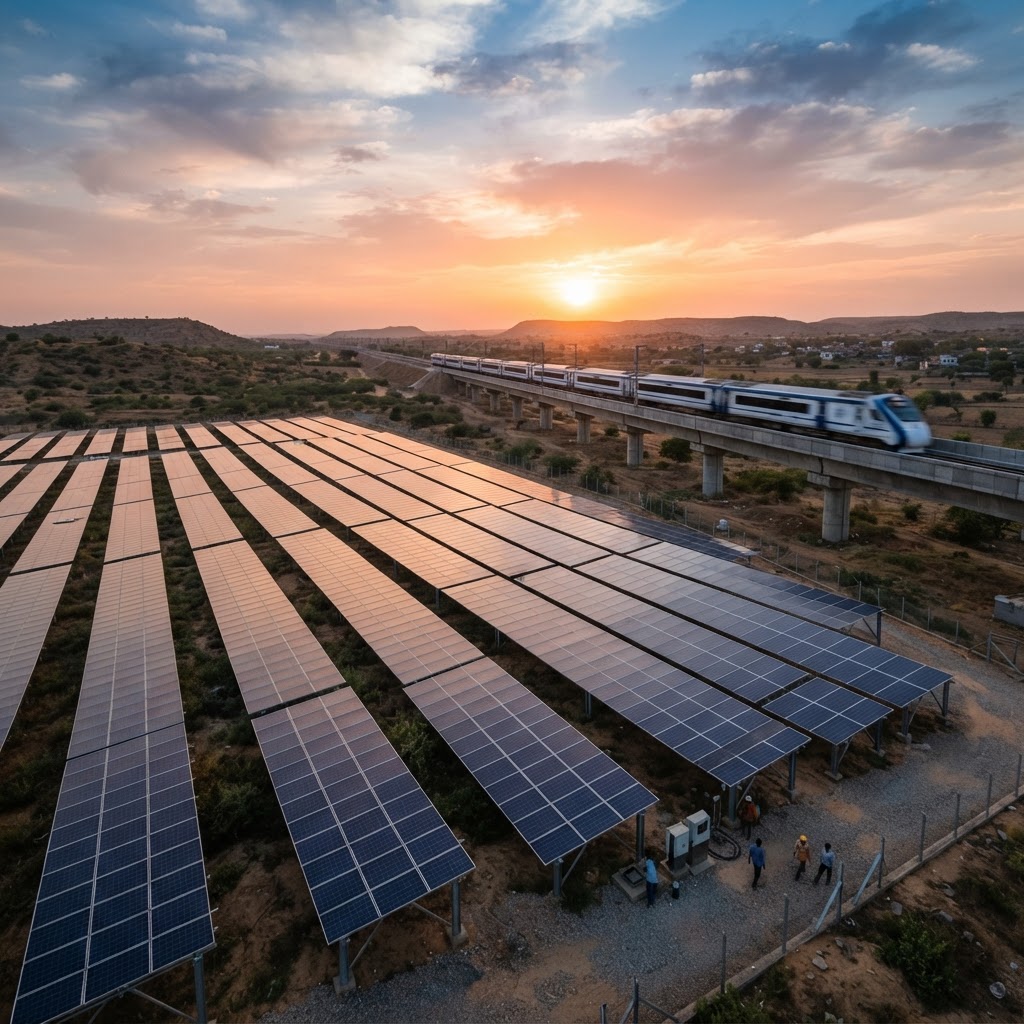
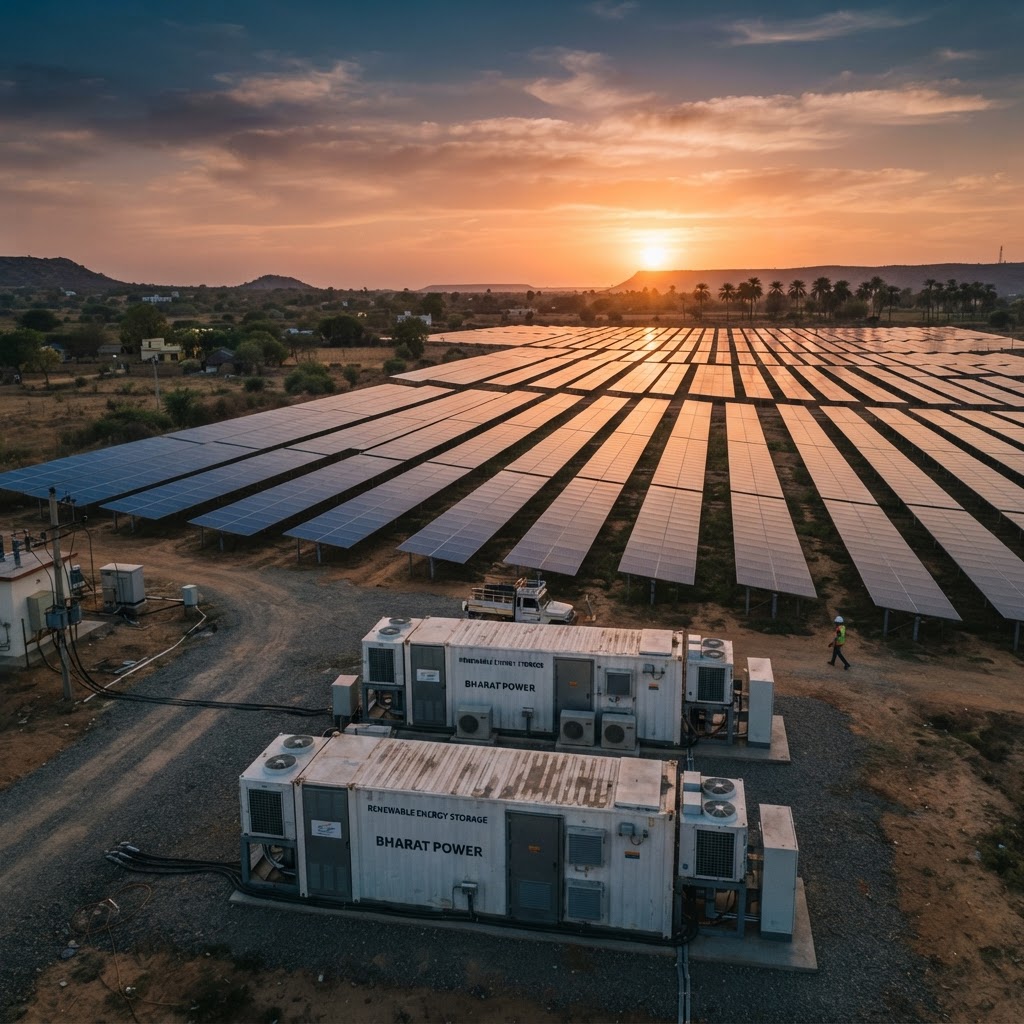
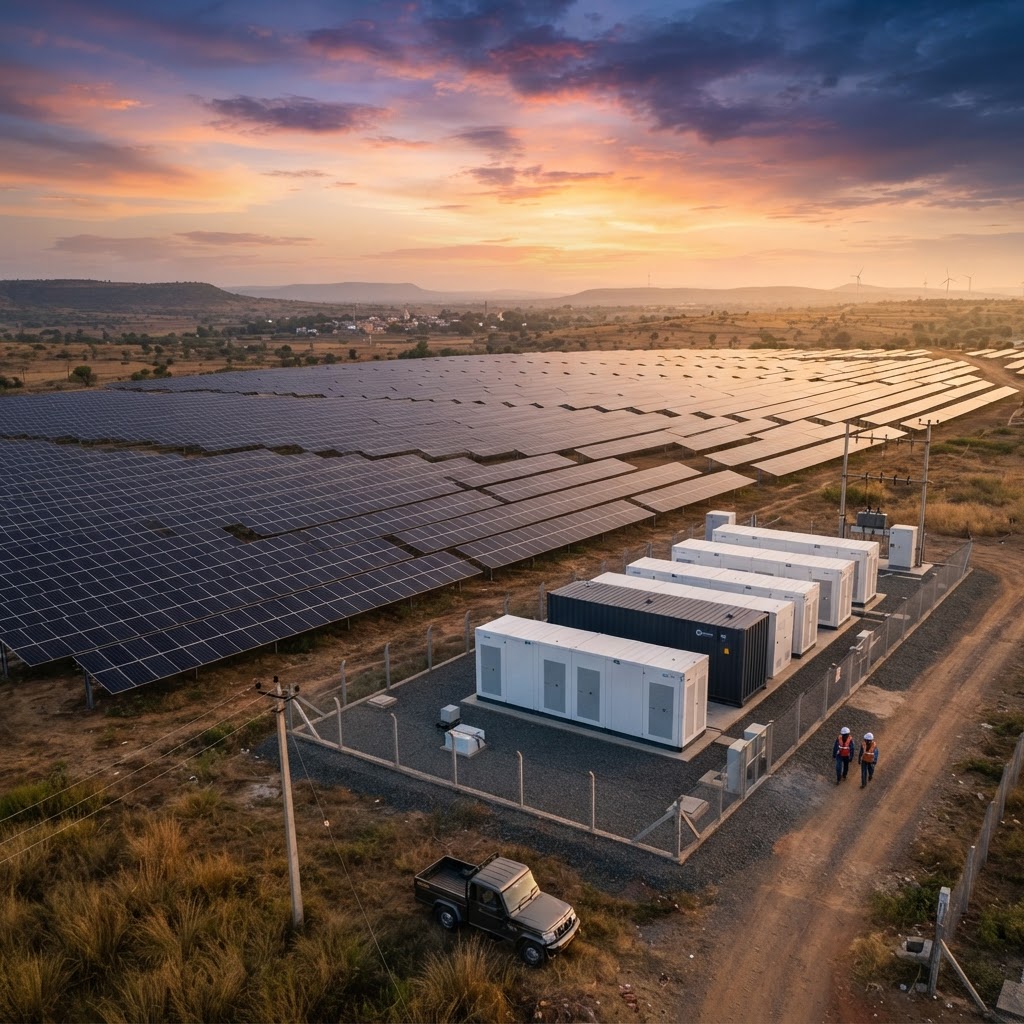
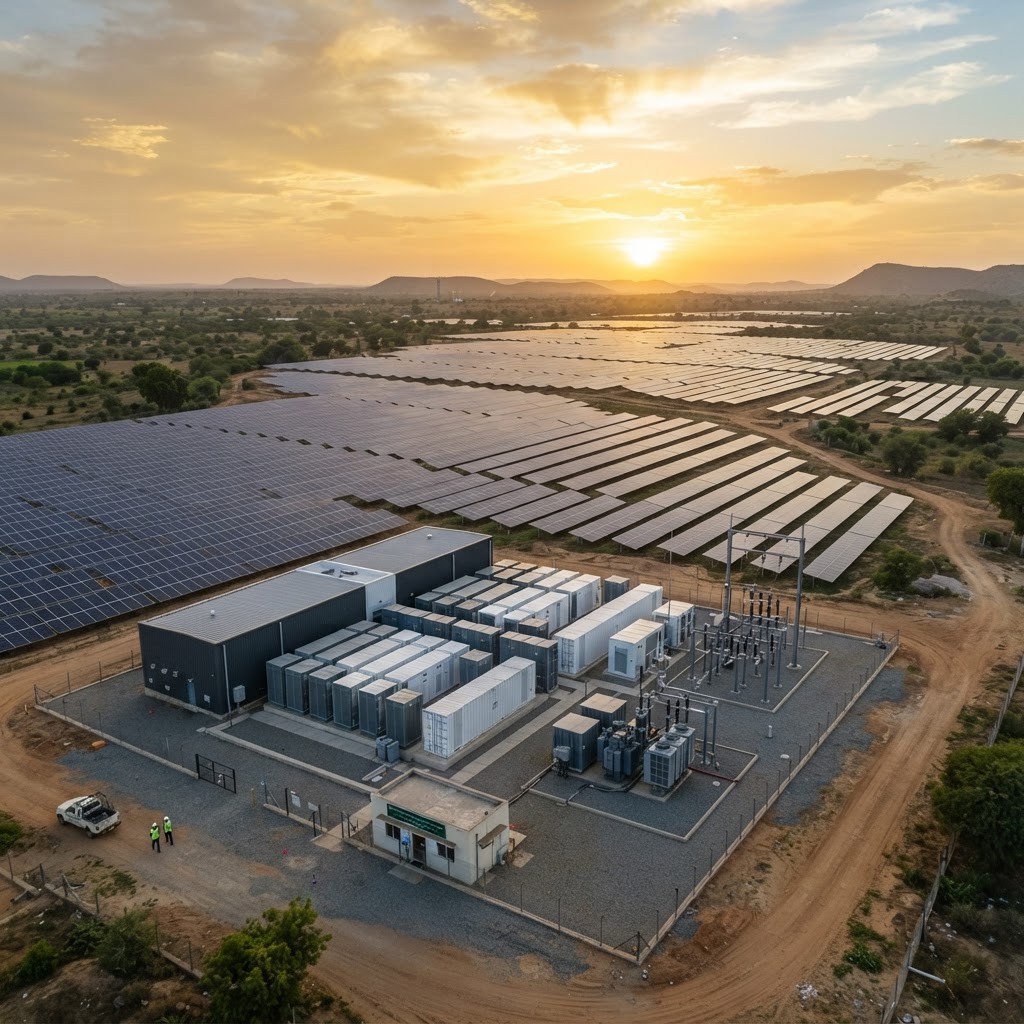
The Indian cabinet has officially approved a significant $1.53 billion investment program aimed at bolstering the nation's energy storage capabilities. This strategic move is designed to support India's ambitious renewable energy targets, which require an estimated $220 billion in funding by 2030. By focusing on domestic battery cell production, the government aims to establish a capacity of 50 GWh annually by 2032, reducing reliance on expensive imported materials.
Beyond energy, India’s technological and industrial sectors are seeing rapid developments. In the startup ecosystem, Bengaluru continues to lead as a primary hub, securing $4.4 billion in funding during the first nine months of 2026. This investment highlights a broader trend where, despite a decline in the total number of funding rounds, the total capital inflow remains robust at $10.3 billion across the country.
Infrastructure projects are also hitting key milestones. The Mumbai-Ahmedabad bullet train project is nearing a major breakthrough with the introduction of the indigenous B28 train. This high-speed rail unit is designed to reach speeds of up to 280 kmph, marking a significant step forward in India's efforts to modernize its public transportation network.
Meanwhile, the regulatory landscape is evolving to meet the challenges of the digital age. The IT Ministry has initiated discussions regarding a potential overhaul of the social media regulatory framework, specifically examining the legal immunity currently granted to platforms. Simultaneously, the Indian Banks' Association is proactively addressing cybersecurity risks, forming an alliance to defend against emerging AI-driven threats in the financial sector.
RELATED DISPATCHES
Discussion (0)
No comments yet. Be the first to join the discussion.