India Accelerates Energy Storage and Renewable Infrastructure Goals
The government approves a $1.53 billion investment to bolster energy storage as the nation pushes toward its 2030 clean energy targets.
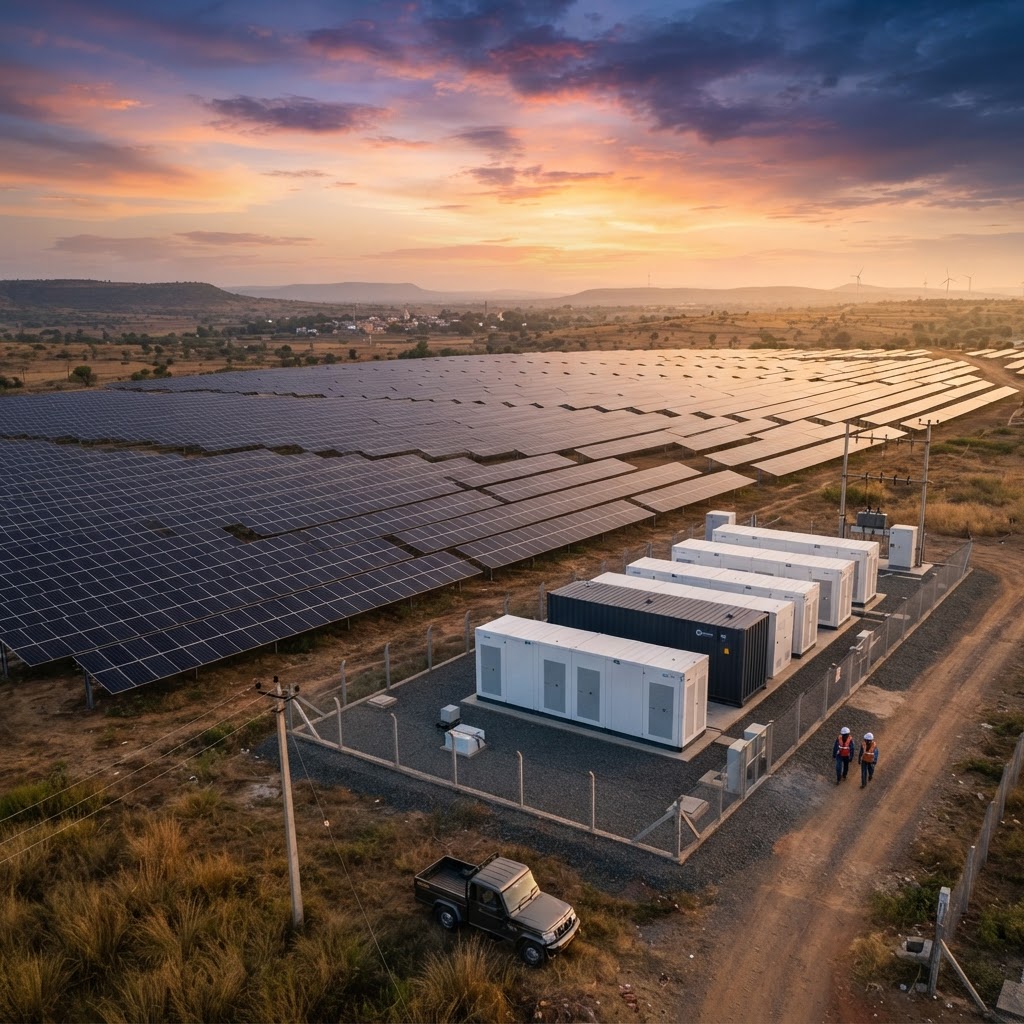
The Indian government has officially approved a significant $1.53 billion programme aimed at advancing energy storage projects across the country. This strategic move is designed to address the growing demand for reliable power as India works toward its ambitious goal of achieving 500 GW of clean energy capacity well before the 2030 deadline. By prioritizing storage, officials hope to stabilize the grid and manage the intermittency challenges often associated with renewable sources like solar and wind.
Minister Pralhad Joshi recently emphasized that the nation’s energy strategy must evolve beyond simple capacity additions. With the rapid expansion of AI data centers expected to drive an additional 26.3 GW of power demand by fiscal year 2032, the government is calling for a robust focus on grid upgrades and the indigenous manufacturing of critical energy components. This shift is intended to reduce reliance on expensive imports and foster a self-reliant domestic supply chain.
Beyond large-scale storage, India is also making strides in hydropower and battery production. Projects such as the new hydropower plant in Neemuch are nearing completion, while the government has set a target to support 50 GWh of annual battery cell production by 2032. These efforts are part of a broader national initiative to bridge the gap between clean energy research and large-scale industrial deployment.
Industry experts note that while the funding environment for startups has seen a shift in deal volume, total capital remains strong, with cities like Bengaluru continuing to lead in innovation and investment. As the country balances its economic growth with environmental commitments, the integration of advanced technology and sustainable infrastructure remains the cornerstone of India's energy policy.
RELATED DISPATCHES
Discussion (0)
No comments yet. Be the first to join the discussion.