India Advances Energy Storage and Defense Exports Amid Domestic Developments
The Indian government approves major energy storage initiatives while expanding international defense partnerships.
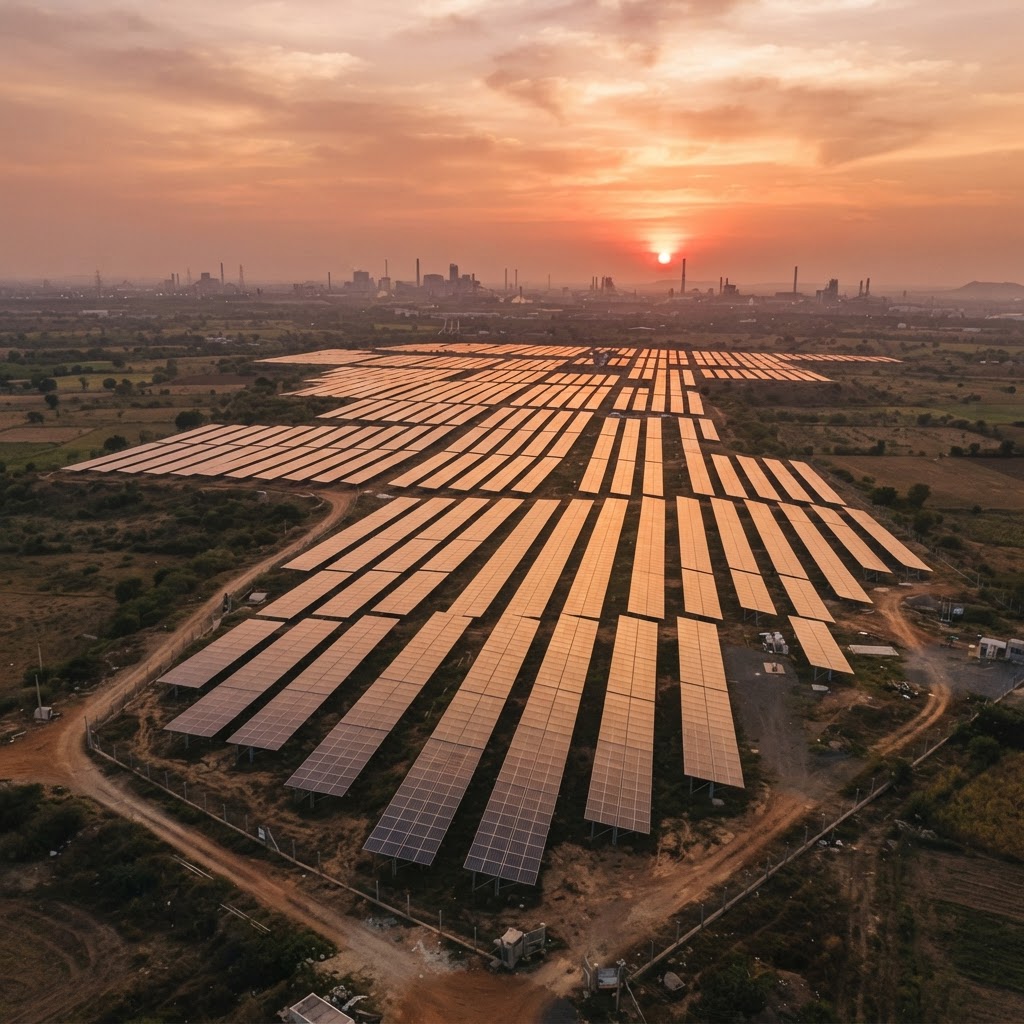
The Indian government has taken significant steps to bolster its infrastructure and industrial capabilities. In a major policy move, the Cabinet has approved a ₹14,500-crore scheme aimed at developing 92 GWh of grid-scale energy storage capacity. This initiative is designed to help state utilities manage surplus power more effectively, marking a critical shift toward a more resilient and sustainable national power grid. Additionally, the government has greenlit a ₹2,814-crore investment to enhance domestic processing of essential minerals like lithium and nickel, further securing the supply chain for future technologies.
On the international front, India is reportedly in the final stages of negotiations to expand its supersonic cruise missile exports to the Philippines. This deal, estimated to be worth between $700 million and $800 million, underscores India's growing influence as a key defense supplier in the Indo-Pacific region. These efforts align with broader goals to position the nation as a global manufacturing and export hub, with major corporations like Mercedes-Benz expressing long-term confidence in the country's industrial potential.
Domestically, the landscape remains active with various administrative and environmental challenges. As the winter season approaches, Delhi is grappling with worsening air quality, prompting the enforcement of strict firework restrictions ahead of the festive season. Meanwhile, the IT Ministry has initiated discussions regarding a potential overhaul of the country's social media regulatory framework, including proposals that could impact the legal immunity currently enjoyed by digital platforms.
In other developments, the legal and political spheres continue to see high-profile activity. The Supreme Court has intervened in administrative matters, emphasizing the necessity of timely judicial processes, while political discourse remains heated as opposition leaders continue to challenge the current administration. From the modernization of statistical systems to the ongoing progress of major infrastructure projects like the Mumbai-Ahmedabad bullet train, the nation continues to navigate a complex path of rapid development and regulatory reform.
RELATED DISPATCHES
Discussion (0)
No comments yet. Be the first to join the discussion.