India Adjusts Windfall Tax Policy Amid Economic Shifts
The government has implemented new tax adjustments on fuel exports as part of its latest fiscal strategy.
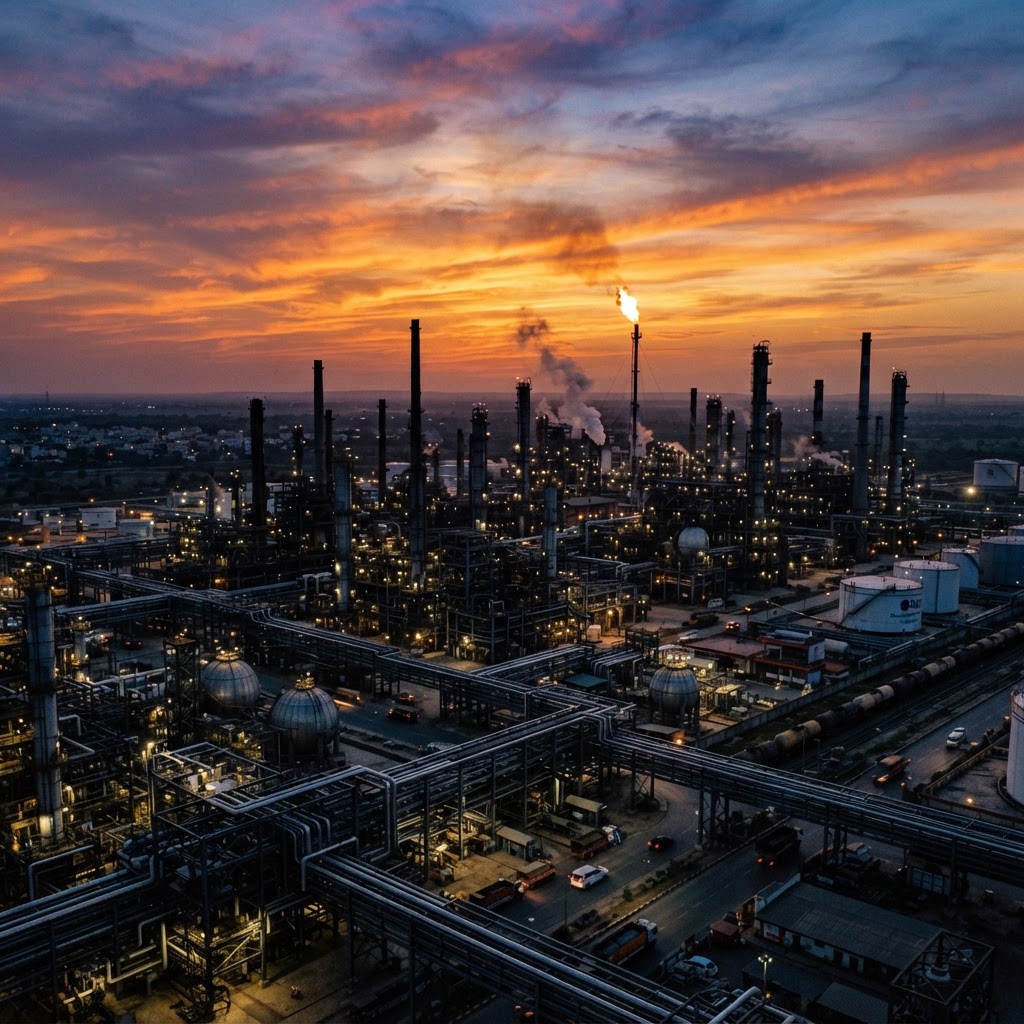
The government of India has officially announced a strategic shift in its energy taxation policy. According to a recent government order, authorities have decided to increase the windfall tax on petrol exports while simultaneously reducing the duty applied to diesel. These changes are scheduled to take effect on October 16, 2026, reflecting the nation's ongoing efforts to manage domestic fuel supply and market volatility.
This fiscal adjustment comes at a time when the Indian economy is navigating various industrial and regulatory developments. Beyond the energy sector, major corporations are making significant long-term commitments to the country. For instance, Stellantis has pledged a substantial investment of ₹4,000 crore, aiming to launch 12 new products across its Jeep and Citroën brands by 2029, further bolstering the automotive manufacturing landscape.
In the retail and consumer goods sector, regulatory scrutiny remains high. The Food Safety and Standards Authority of India (FSSAI) has recently initiated action against several major e-commerce platforms, including Flipkart India and BigBasket, citing concerns over misleading health claims regarding specific food products. These enforcement actions highlight the government's commitment to protecting consumer interests in the rapidly expanding digital marketplace.
Meanwhile, the broader economic environment continues to evolve with new financial entities entering the market. The Reserve Bank of India has granted approval for NovaFusion Capital to operate as a Non-Banking Financial Company (NBFC), signaling continued growth in the financial services sector. As India balances these diverse economic activities, policymakers remain focused on maintaining stability across both industrial production and consumer protection frameworks.
RELATED DISPATCHES
Discussion (0)
No comments yet. Be the first to join the discussion.