Global Powers Commit to Boosting Refined Petroleum Supplies
The United States, China, and Russia pledge to increase fuel production to stabilize markets amid ongoing geopolitical tensions.
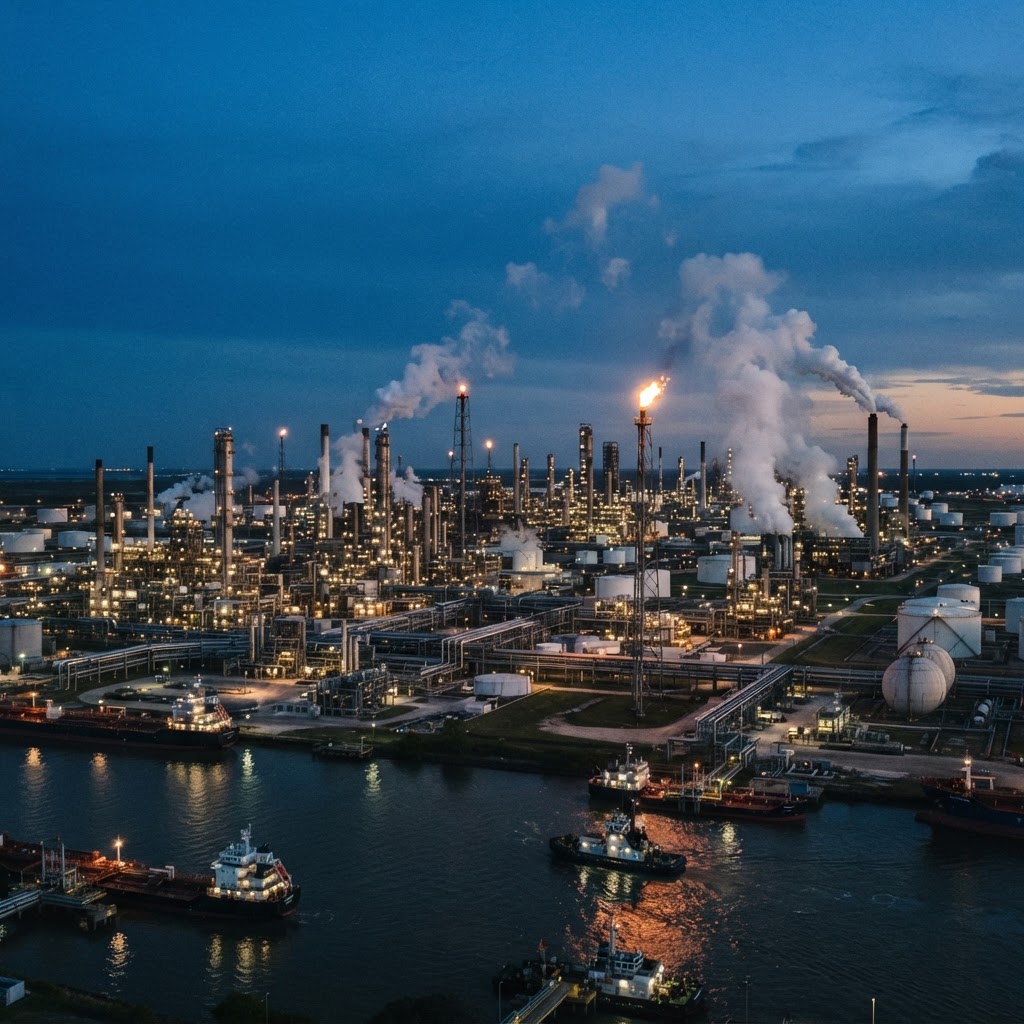
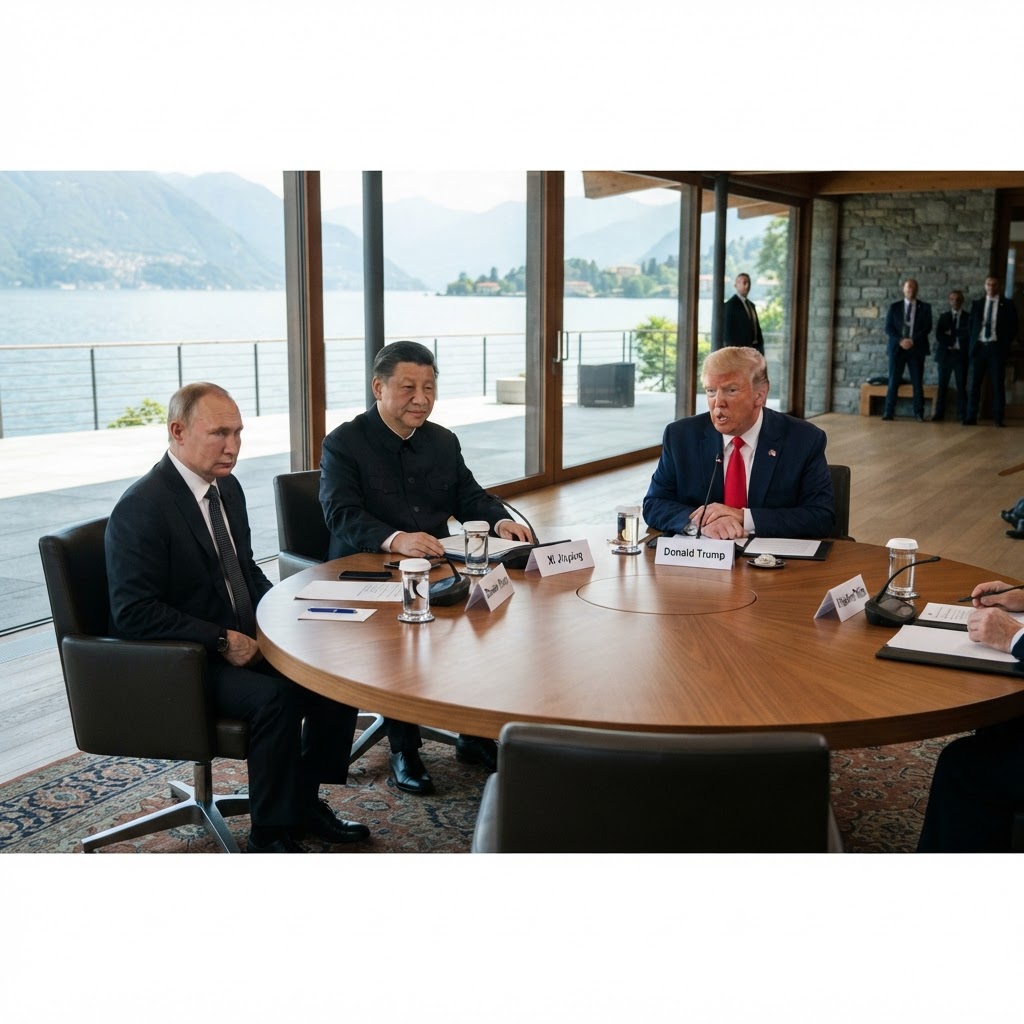
In a significant diplomatic development, leaders from the United States, China, and Russia have formally agreed to enhance the global supply of refined petroleum products. This joint commitment, announced following a high-level meeting, aims to mitigate the volatility in energy prices that has persisted since the outbreak of the conflict in Iran. By prioritizing the availability of essential fuels like diesel and gasoline, the three nations seek to bolster international energy security during a period of complex global transition.
While the pledge signals a unified recognition of the need for stable energy flows, analysts remain cautious regarding its immediate impact. The joint declaration notably lacks specific production quotas, firm timelines, or detailed implementation strategies. Consequently, market observers are waiting for concrete evidence of how these major powers intend to translate their diplomatic agreement into tangible increases in refined output.
Each nation faces distinct structural hurdles in fulfilling this promise. In the United States, refineries are already operating at near-maximum capacity, leaving little room for rapid expansion without significant operational adjustments. Meanwhile, China’s ability to increase its refined product exports is heavily dependent on securing consistent crude oil supplies and managing its own domestic demand requirements.
Russia, currently embroiled in a protracted conflict, faces perhaps the most severe constraints. Repeated drone strikes on its energy infrastructure have significantly hampered its refining capabilities, forcing the country to grapple with domestic fuel shortages and reduced export volumes. Some experts suggest that the trilateral agreement could serve as an indirect diplomatic signal to de-escalate attacks on energy facilities, though this remains speculative.
Despite the uncertainty surrounding the implementation of this pledge, the involvement of three of the world's most influential energy players underscores the gravity of the current market situation. As the global economy navigates the aftermath of the Iran war and shifting trade routes, the effectiveness of this initiative will ultimately depend on the ability of these nations to overcome their respective domestic and geopolitical limitations to deliver additional fuel to the global market.
RELATED DISPATCHES

Discussion (0)
No comments yet. Be the first to join the discussion.