Global Markets Retreat as New US Tariff Proposals Spark Uncertainty
Investors pull back from riskier assets following the Trump administration's announcement of potential levies on 14 major trading partners.
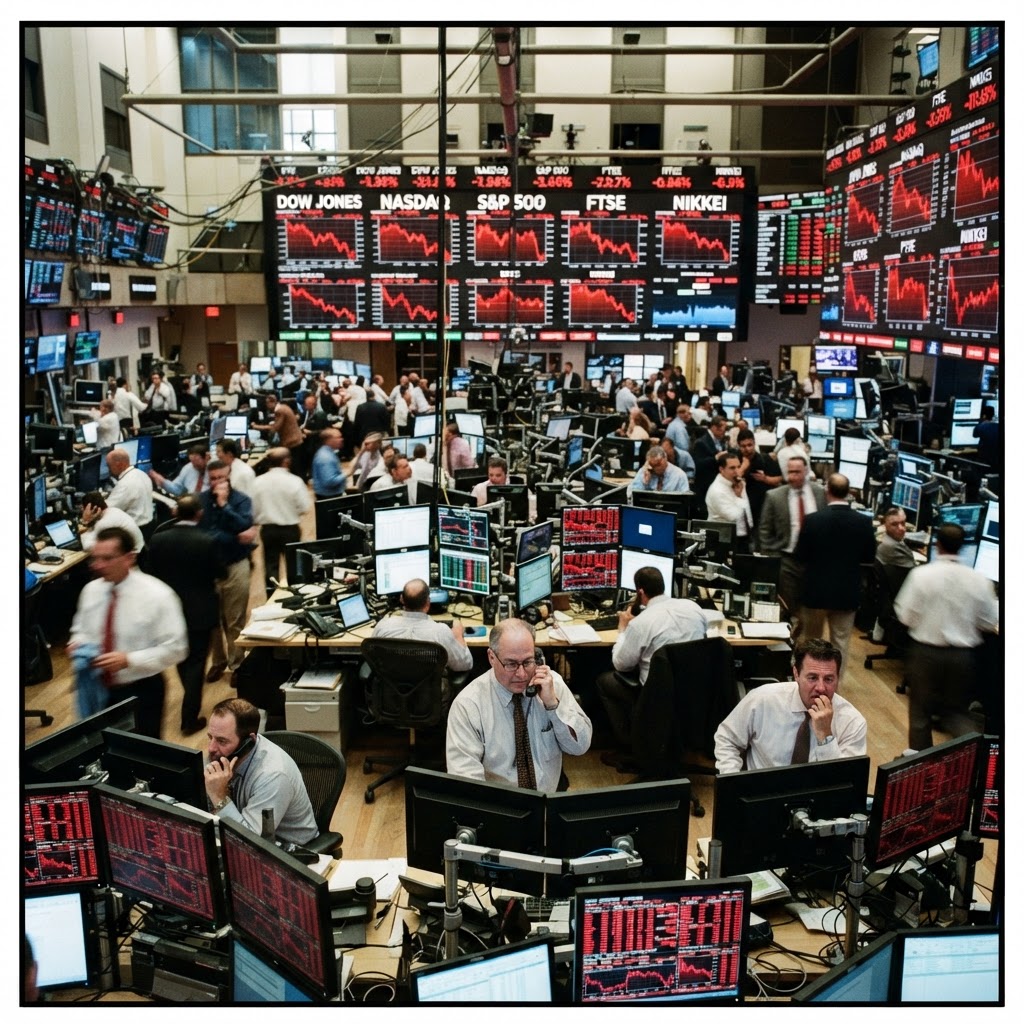
Global financial markets experienced a significant downturn on Wednesday as investors reacted to the Trump administration's latest trade policy shift. The U.S. government announced plans to impose sweeping new tariffs on 14 key trading partners, citing concerns over structural excess industrial capacity. This move, which targets major economies including China, the European Union, Japan, and South Korea, has reignited fears of a broader trade conflict and increased inflationary pressure.
The announcement triggered a sharp selloff in risk-sensitive assets, with Asian markets bearing the brunt of the initial impact. Technology-heavy indices saw particularly steep declines as the market's recent enthusiasm for artificial intelligence stocks began to wane. Analysts noted that the uncertainty surrounding these trade barriers has made investors hesitant to commit significant capital, leading to a cautious atmosphere across global trading floors.
Under the proposed framework, the administration is seeking to address what it describes as unfair trade practices that burden American commerce. While the headline rates for these tariffs range from 20% to 40%, officials indicated that actual duties may be capped at lower levels for countries that have already secured or are currently negotiating trade agreements with the United States. This nuance has led some market observers to view the announcement as a legal hardening of existing trade policy rather than an entirely new escalation.
Despite the administration's assertion that these measures are necessary to protect domestic manufacturing, the proposal has drawn swift criticism from international partners. Several nations have expressed disappointment or regret, with some governments signaling their intent to hold further talks to safeguard their economic interests. Meanwhile, domestic sentiment remains divided, as recent polling suggests a majority of Americans are concerned about the potential for these duties to drive up consumer prices.
As the situation develops, the focus has shifted toward the upcoming public comment period and regulatory hearings, which are expected to conclude early next year. While some analysts suggest the market reaction may be an overcorrection, the combination of trade tensions and shifting expectations for Federal Reserve interest rate policy continues to create a volatile environment for investors worldwide.
RELATED DISPATCHES



Discussion (0)
No comments yet. Be the first to join the discussion.