US Consumer Spending Cools as Households Prioritize Essentials
After a period of robust economic growth, American shoppers are adopting a more cautious approach to discretionary spending.
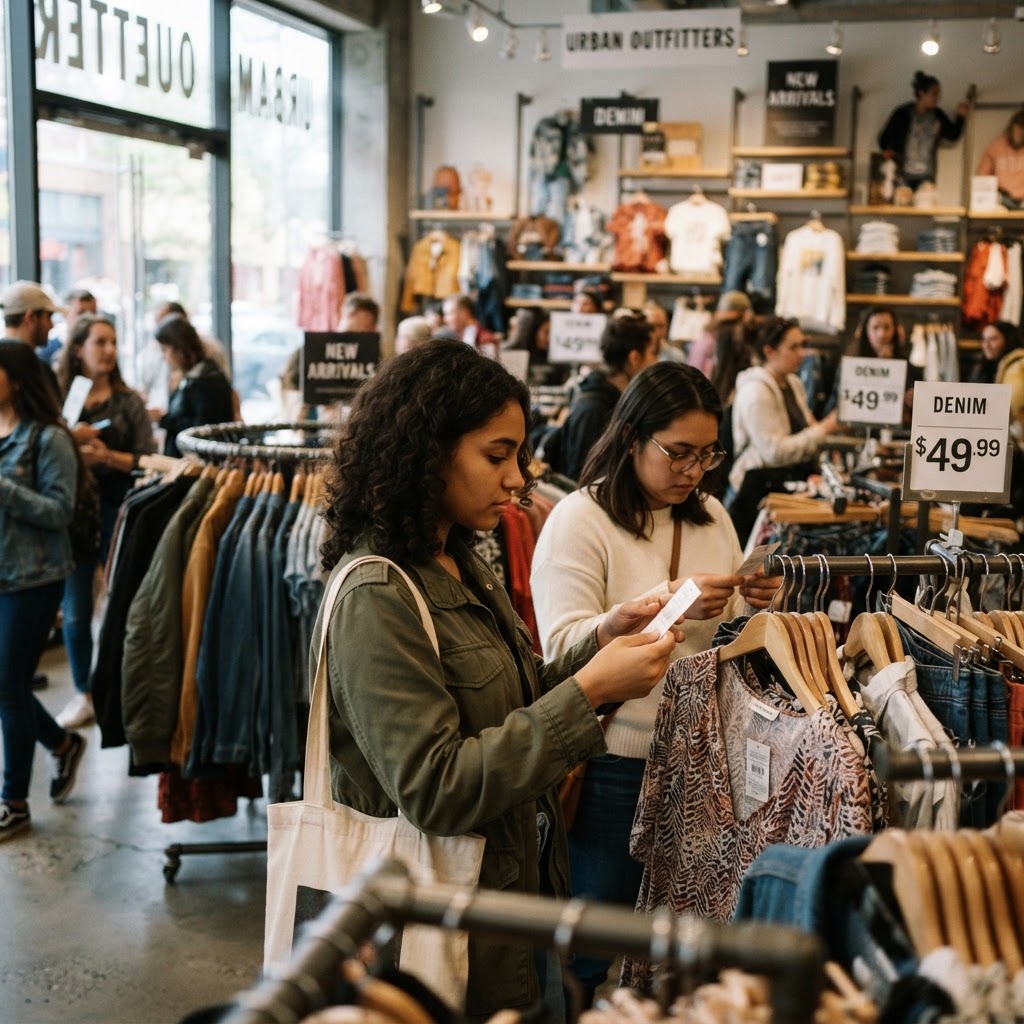
Following a season of significant economic expansion, American consumer spending has begun to show signs of moderation. Recent data from the Bureau of Economic Analysis indicates that inflation-adjusted personal spending remained largely stagnant in October, marking a notable shift from the vigorous activity observed during the third quarter. While the economy remains resilient, the rapid pace of earlier months has given way to a more measured outlook as households navigate ongoing financial pressures.
High costs for daily necessities continue to weigh heavily on family budgets. Expenses related to housing, electricity, and fuel are consuming a larger portion of household income, forcing many consumers to reallocate their funds. This shift has led to a decline in discretionary purchases, with shoppers becoming increasingly selective about their spending habits. Retail sectors, particularly those involving non-essential goods like clothing and furniture, have experienced a cooling effect as families prioritize core living costs.
Despite these challenges, the overall financial health of the average household remains relatively stable. Many consumers are still participating in the marketplace, though they are doing so with a heightened focus on value. Data suggests that while total card spending continues to rise on a year-over-year basis, the momentum has slowed compared to the summer peak. This trend reflects a broader transition toward 'purposeful' spending, where consumers are directing their limited discretionary dollars toward specific celebrations, gifting occasions, and meaningful experiences rather than broad, impulsive consumption.
As the holiday season approaches, the retail landscape is evolving to meet this more cautious consumer. Retailers are finding that traditional promotional events are becoming less effective than strategies that connect products to specific personal priorities or 'moments.' While lower-income households face the most significant strain, even middle-income families are demonstrating a deft ability to scale back in certain areas to maintain their financial footing. Ultimately, the current economic environment is defined by a careful balancing act as Americans adjust to persistent inflation while attempting to sustain their standard of living.
RELATED DISPATCHES



Discussion (0)
No comments yet. Be the first to join the discussion.