Forensic Expert Challenges Official Ruling on Jeffrey Epstein’s Death
A new analysis suggests homicide, though the New York City medical examiner maintains its original suicide determination.
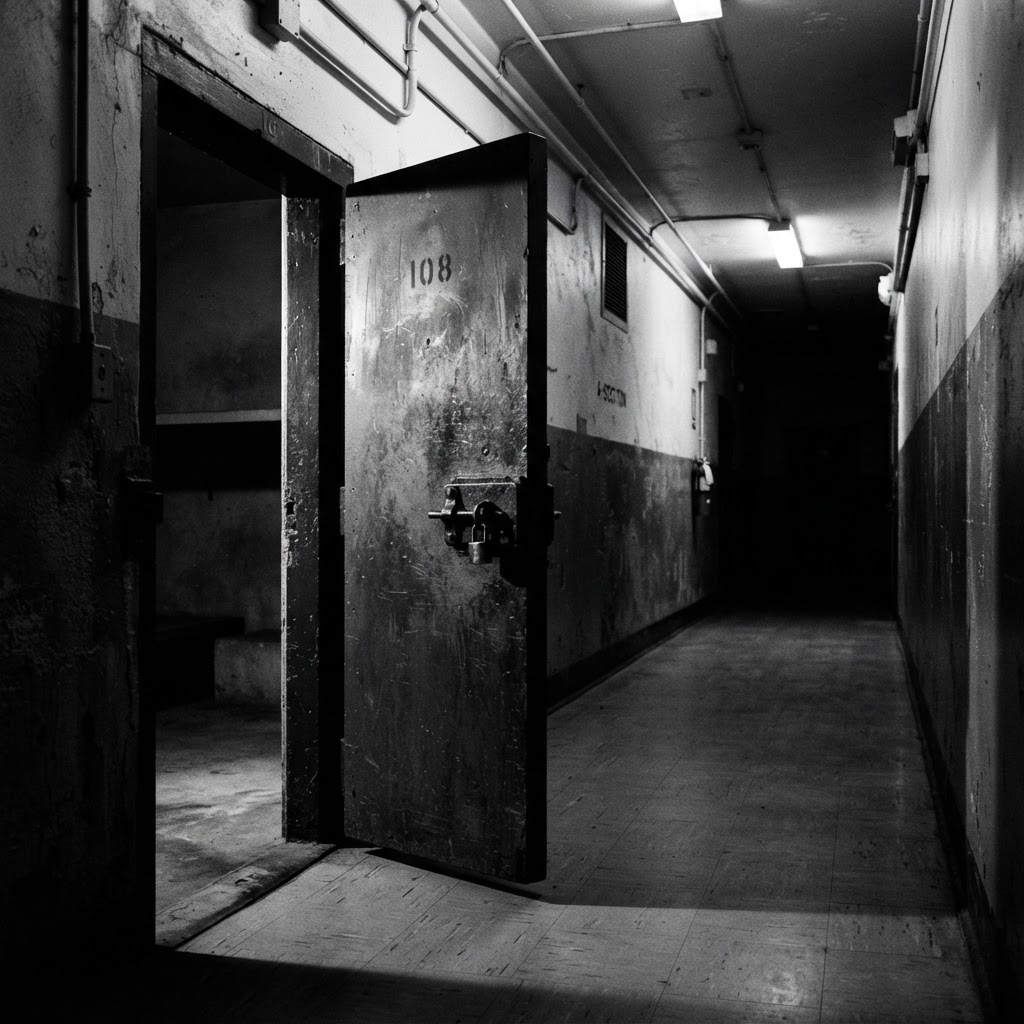
A prominent forensic expert has publicly challenged the long-standing official conclusion regarding the 2019 death of Jeffrey Epstein. Dr. Michael Freeman, editor-in-chief of the Journal of Forensic and Legal Medicine, argues that evidence from the autopsy file points to homicidal strangulation rather than the suicide ruling issued by the New York City Office of Chief Medical Examiner. Epstein was discovered unresponsive in his Manhattan jail cell while awaiting trial on federal sex-trafficking charges.
Dr. Freeman, who gained access to the complete autopsy records through Epstein’s brother, Mark, presented his findings at a legal society event in London. His analysis suggests that the physical trauma observed on the body, including specific neck markings and shoulder injuries, is inconsistent with a self-inflicted hanging. Freeman contends that the pattern of injuries indicates a physical struggle and suggests the possibility that the scene was staged to mimic a suicide.
Central to Freeman’s argument is the appearance of the ligature marks on the neck, which he describes as atypical for a hanging. He points to additional abrasions and bruising that he believes are more consistent with an assault from behind. Furthermore, the expert criticized the initial investigation, noting that the failure to properly preserve the cell as a crime scene and the lack of photographic evidence of the body in its original position have hindered a definitive understanding of the events.
Despite these claims, the New York City medical examiner’s office remains firm in its original assessment. In a statement, the office confirmed it stands by its determination that the manner of death was suicide by hanging. This position has been supported by previous reviews conducted by the Department of Justice and the FBI, which found no evidence to suggest the involvement of another party.
While Freeman’s report has reignited public debate, it does not constitute legal proof of foul play. Other forensic pathologists have noted that while some injuries appear unusual, the lack of comprehensive evidence from the scene makes it difficult to reach a conclusive alternative finding. The case continues to be a subject of intense scrutiny, as experts weigh the limitations of the original investigation against the findings of independent researchers.
RELATED DISPATCHES


Discussion (0)
No comments yet. Be the first to join the discussion.