Fed Lifts Rates as Warsh Prioritizes Inflation Fight Over Political Pressure
In a unanimous decision, the Federal Reserve increases borrowing costs for the first time in three years to combat persistent price hikes.
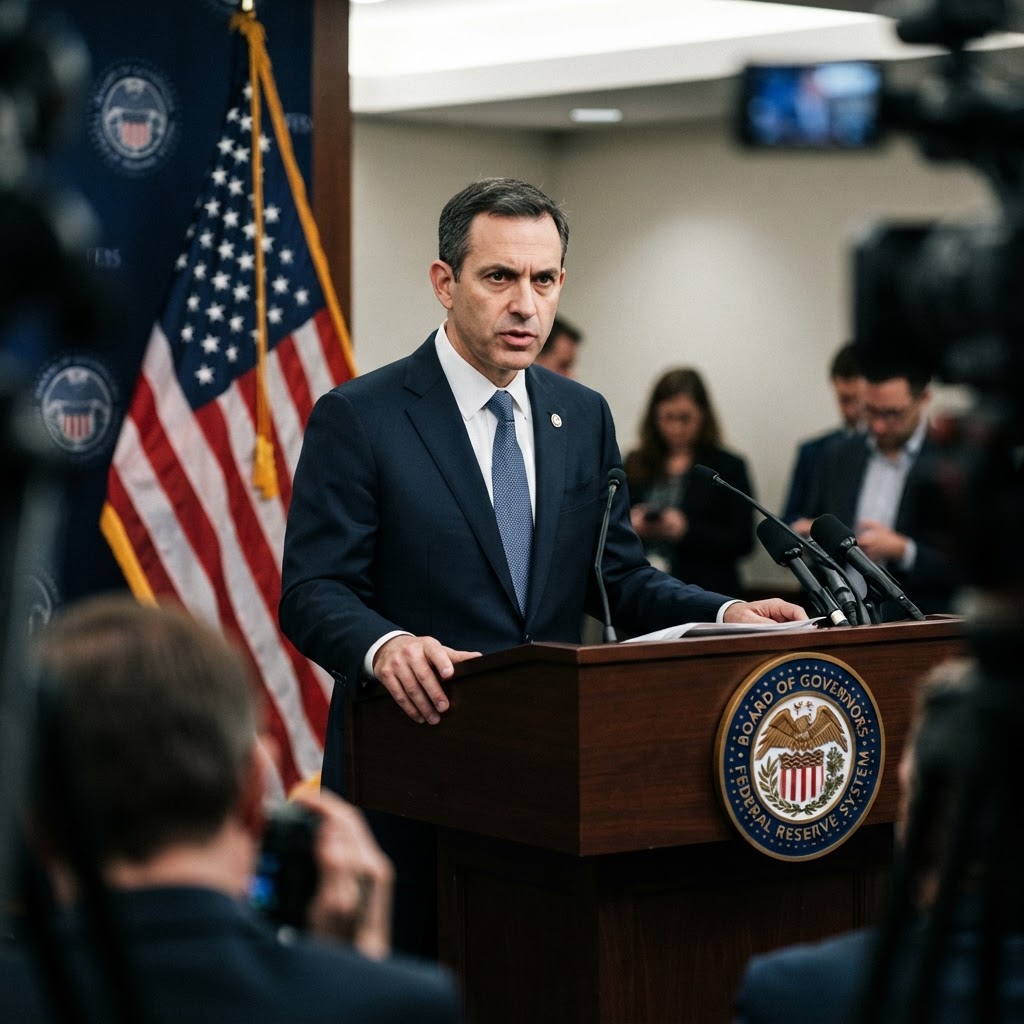
The Federal Reserve has officially shifted its monetary policy, implementing a quarter-percentage-point interest rate hike to address the nation's ongoing struggle with inflation. This move, which brings the benchmark federal funds rate to a range of 3.75% to 4%, marks the first such increase in three years. The decision was reached through a unanimous vote by the Federal Open Market Committee, signaling a unified front among central bank officials regarding the necessity of tightening financial conditions.
Federal Reserve Chairman Kevin Warsh, who took the helm earlier this year, spearheaded the policy shift despite significant political friction. The administration has frequently advocated for lower interest rates, creating a high-stakes environment for the new chairman. By moving forward with the hike, Warsh has effectively prioritized the central bank's price stability mandate over the preferences of the White House, underscoring the institution's commitment to its independent oversight of the economy.
The decision follows a series of economic reports indicating that inflation remains stubbornly high, with recent data showing consumer prices exceeding initial forecasts. Officials have signaled that this action may not be an isolated event; updated projections suggest a growing consensus for a series of rate increases throughout the remainder of the year. Sixteen members of the committee have indicated they expect at least one additional hike before 2026 concludes, reflecting a hawkish outlook aimed at cooling the economy.
While the move is intended to curb rising costs, it carries immediate implications for American consumers. Economists note that the adjustment will likely lead to higher borrowing costs across the board, impacting everything from mortgage rates and auto loans to credit card interest. As the Federal Reserve navigates this delicate balance, the focus remains on whether these measures will successfully dampen inflation without triggering a broader economic downturn.
RELATED DISPATCHES



Discussion (0)
No comments yet. Be the first to join the discussion.