Far-Right Influence Surges Amid Ceuta Migration Crisis
Hard-line political movements are increasingly dictating the European response to border challenges in Spain.
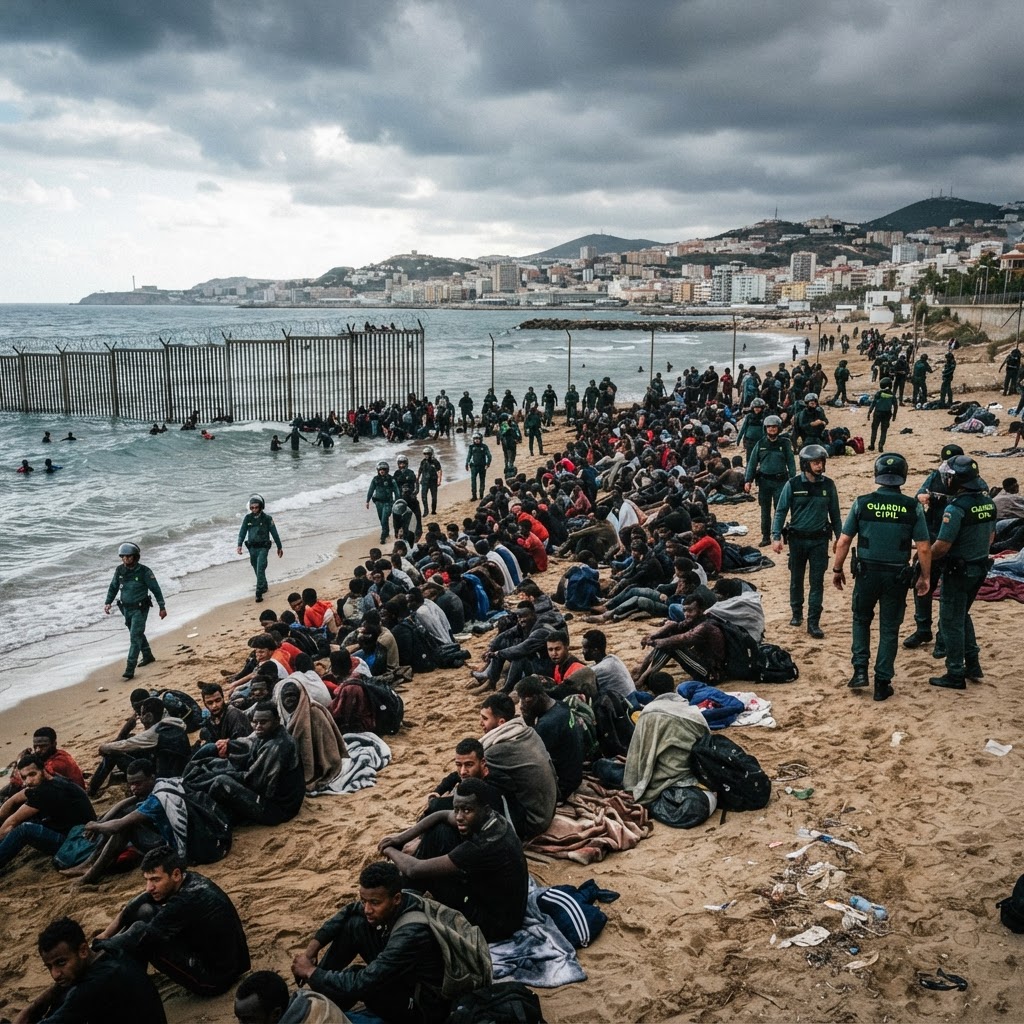
The recent mass arrival of migrants into the Spanish enclave of Ceuta has served as a catalyst for a significant shift in European political discourse. While the event triggered an immediate security response, it also provided a platform for far-right parties across the continent to intensify their anti-immigration rhetoric. By framing the influx as an existential threat, these groups have successfully pressured mainstream leaders to adopt more restrictive border policies.
In the aftermath of the surge, prominent figures from Italy to France have utilized the situation to criticize the migration policies of Spanish Prime Minister Pedro Sánchez. Italian Prime Minister Giorgia Meloni, for instance, took the drastic step of suspending the Schengen agreement with Spain, citing security concerns. This move, supported by several other European nations, highlights how hard-line nationalist agendas are now effectively shaping the collective European response to migration.
Domestic opposition in Spain has been equally vocal. The far-right party Vox has characterized the events as an 'invasion,' demanding the permanent militarization of the border and the use of force to deter future arrivals. This narrative has forced the Spanish government into a defensive position, as it struggles to balance humanitarian obligations with the growing political demand for stricter border control from both internal and external critics.
Analysts note that this reaction marks a stark departure from the more accommodating attitudes seen during previous migration crises. The current climate reflects a broader trend where populist movements have moved from the political fringes to the center of policy-making. By exploiting the Ceuta crisis, these parties have effectively shifted the goalposts, ensuring that the debate remains focused on security and exclusion rather than integration or humanitarian aid.
As European interior ministers seek to coordinate a unified strategy, the influence of these nationalist voices remains a dominant factor. The postponement of new migration measures until the fall suggests that the EU is struggling to reconcile its internal divisions. Ultimately, the Ceuta incident has underscored a new reality: European migration policy is increasingly being dictated by those who advocate for the most rigid and exclusionary measures.
RELATED DISPATCHES



Discussion (0)
No comments yet. Be the first to join the discussion.