El Salvador Deploys Thousands to Haiti Amid Escalating Gang Crisis
President Nayib Bukele launches a major military operation to rescue four missing soldiers and combat armed groups in Port-au-Prince.
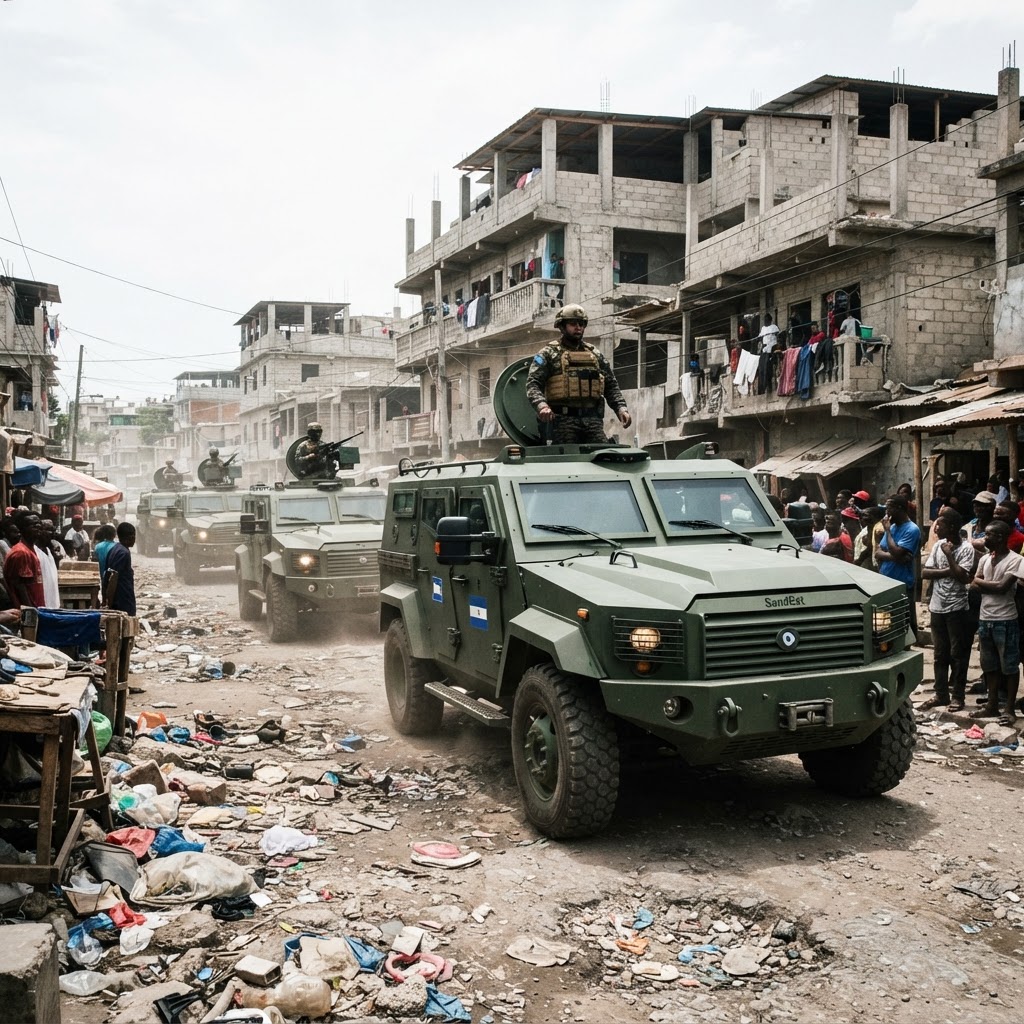
In a significant escalation of international involvement in Haiti, El Salvador has deployed over 2,000 troops to the Caribbean nation. The mission, initiated by President Nayib Bukele, follows the disappearance of four Salvadoran aviation technicians who were abducted by armed gangs nearly two weeks ago. The soldiers, who were part of the UN-backed Gang Suppression Force, vanished after an ambush near the Croix-des-Bouquets area, prompting a robust military response from San Salvador.
President Bukele has framed the deployment as a targeted rescue operation, though the scale of the force has sparked broader questions about its long-term role in Haiti’s security landscape. While the primary objective remains the recovery of the missing personnel, the arrival of such a large contingent—surpassing the mobilization speed of previous international efforts—suggests a shift toward more aggressive, unilateral tactical operations against the criminal networks that have paralyzed the Haitian capital.
The situation remains volatile as Haiti continues to struggle with a profound power vacuum and the postponement of national elections. Gang violence has intensified significantly since the 2021 assassination of President Jovenel Moïse, leaving the country in a state of near-constant instability. Bukele, who gained international prominence for his hardline crackdown on organized crime in El Salvador, has signaled a willingness to apply similar, uncompromising methods to dismantle the gangs currently holding sway over large swaths of Port-au-Prince.
Despite the stated humanitarian and security goals, the intervention has drawn scrutiny regarding its command structure and the potential for civilian risk. Reports indicate that the Salvadoran forces are operating with a high degree of autonomy, leading to concerns about the lack of clear rules of engagement. As the military presence grows, the international community is watching closely to see if Bukele’s security-first approach can succeed where previous multinational missions have struggled to restore order.
RELATED DISPATCHES
Discussion (0)
No comments yet. Be the first to join the discussion.