Economic Challenges and Security Developments in Pakistan
As Pakistan navigates a complex economic landscape, the government balances fuel price adjustments with ongoing security operations.
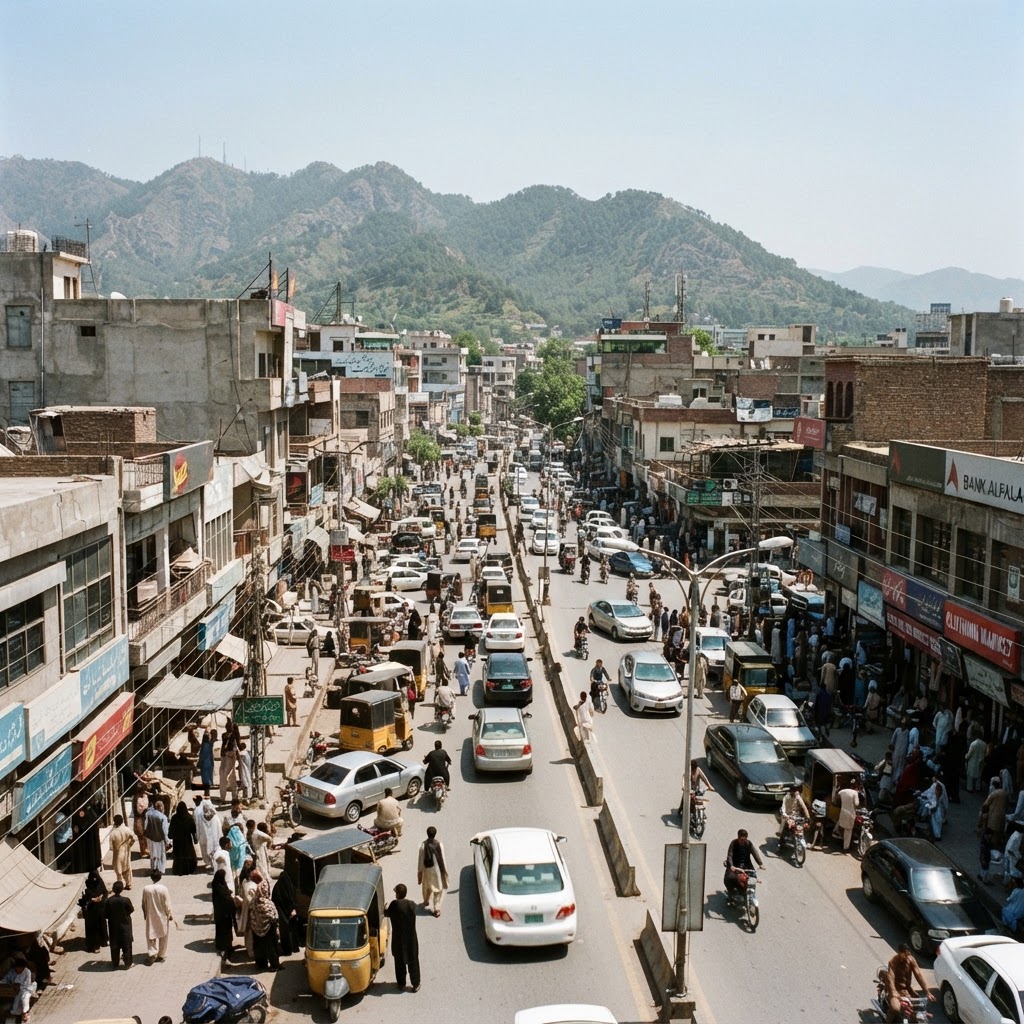
The government of Pakistan continues to manage a delicate economic recovery, characterized by recent adjustments to fuel prices and ongoing efforts to secure international financial stability. As of early November 2026, authorities implemented a reduction in the cost of petrol and high-speed diesel, reflecting a responsive approach to global market fluctuations. Finance Minister Muhammad Aurangzeb has emphasized the necessity of export-led growth and financial innovation to reduce the cost of doing business, even as the nation grapples with persistent structural challenges and the need for long-term fiscal sustainability.
In the financial sector, the country is actively pursuing the renewal of a currency swap line with China and is awaiting a decision regarding a $10 billion exchange stabilisation facility from the United States. These efforts are part of a broader strategy to maintain economic stability, supported by recent loan rollovers from key partners like Saudi Arabia. While GDP growth has shown signs of positive movement, officials remain focused on mitigating the impact of external shocks and energy price volatility on the domestic economy.
On the security front, the nation remains vigilant. Recent reports from the Inter-Services Public Relations (ISPR) indicate that security forces have successfully neutralized multiple terrorists during intelligence-based operations in Balochistan. Additionally, the military has demonstrated its technological advancements, including the successful flight test of the homegrown Fa’az missile, which is expected to enhance the operational flexibility of the Pakistan Air Force.
Political discourse remains active, with leaders like Bilawal Bhutto Zardari calling for a more conciliatory approach to governance to better address the country's economic and social pressures. Meanwhile, the government continues to prioritize infrastructure and environmental initiatives, such as the operationalization of the country's first biomass plant, aimed at supporting rural livelihoods and promoting sustainable energy practices amidst the ongoing national development agenda.
RELATED DISPATCHES
Discussion (0)
No comments yet. Be the first to join the discussion.