Recent Developments Across Pakistan: Economy, Security, and Public Policy
From fuel price adjustments to regional security operations, Pakistan navigates a complex landscape of domestic and international challenges.
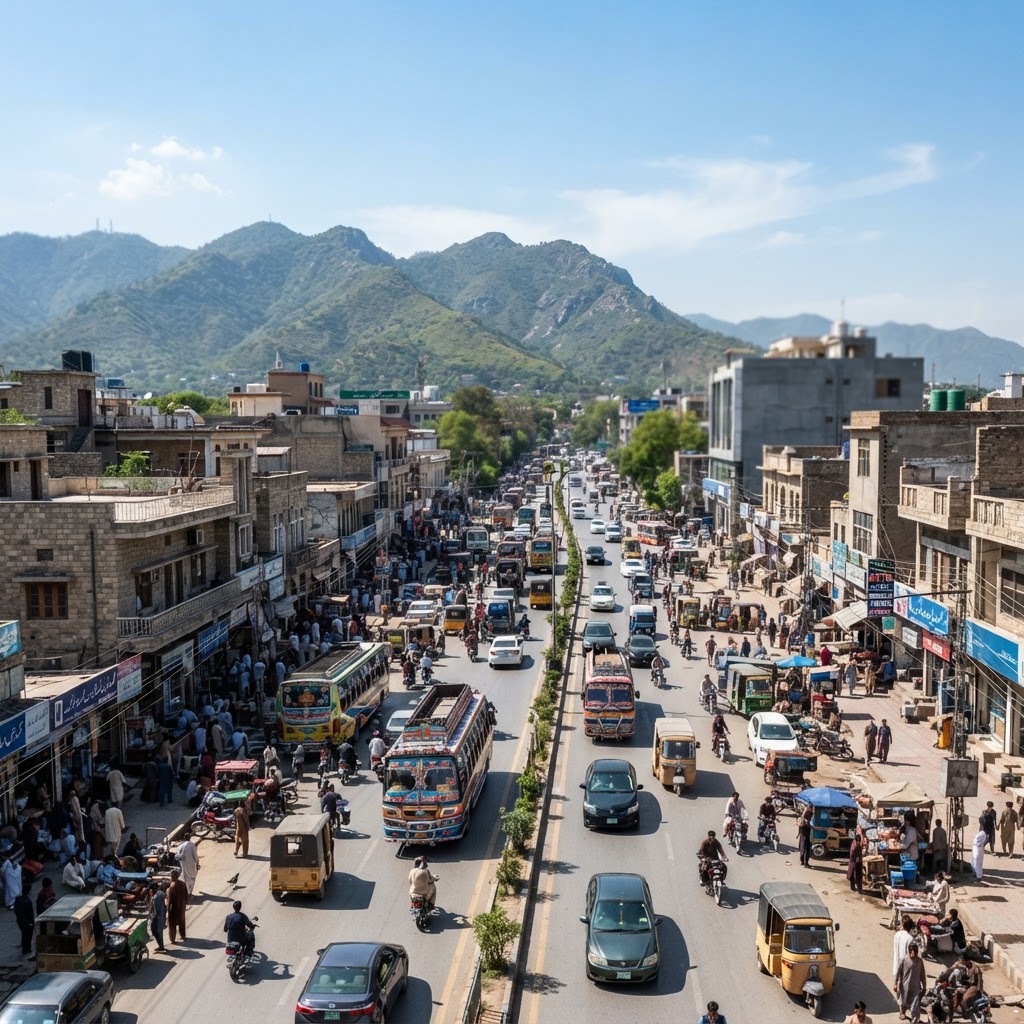
The federal government of Pakistan has recently implemented adjustments to fuel pricing, reflecting the country's ongoing efforts to manage economic volatility. As of early November 2026, authorities have navigated fluctuations in global oil markets, with recent revisions aimed at balancing domestic costs. Finance Minister Muhammad Aurangzeb continues to emphasize a commitment to export-led economic growth and financial innovation, seeking to reduce the cost of doing business while fostering sustainable development.
In the security domain, the nation remains vigilant. Security forces have conducted targeted operations in Balochistan to address the persistent threat of terrorism, resulting in the neutralization of several militants. These efforts are part of a broader strategy to maintain stability in border regions, where the government continues to manage complex security dynamics and regional interactions.
Political discourse remains active, with leaders like Bilawal Bhutto-Zardari urging a conciliatory approach to governance to better address the nation's economic hurdles. Meanwhile, the Pakistan Tehreek-e-Insaf (PTI) party has focused on maintaining internal discipline while navigating the current political climate. These internal dynamics occur against a backdrop of broader national policy discussions, including upcoming public holidays such as Iqbal Day.
On the international front, Pakistan continues to engage in strategic partnerships. Recent reports indicate that Turkey’s parliament is set to ratify a defense pact involving Pakistan and Saudi Arabia, highlighting the country's active role in regional security frameworks. Additionally, the government has been involved in diplomatic efforts, including acting as a mediator in international dialogues, further underscoring its position as a significant participant in regional political processes.
RELATED DISPATCHES
Discussion (0)
No comments yet. Be the first to join the discussion.