Economic Challenges and Regional Security Concerns Shape Pakistan's Outlook
As Pakistan navigates a projected economic contraction and regional security tensions, the government focuses on strategic partnerships and infrastructure development.
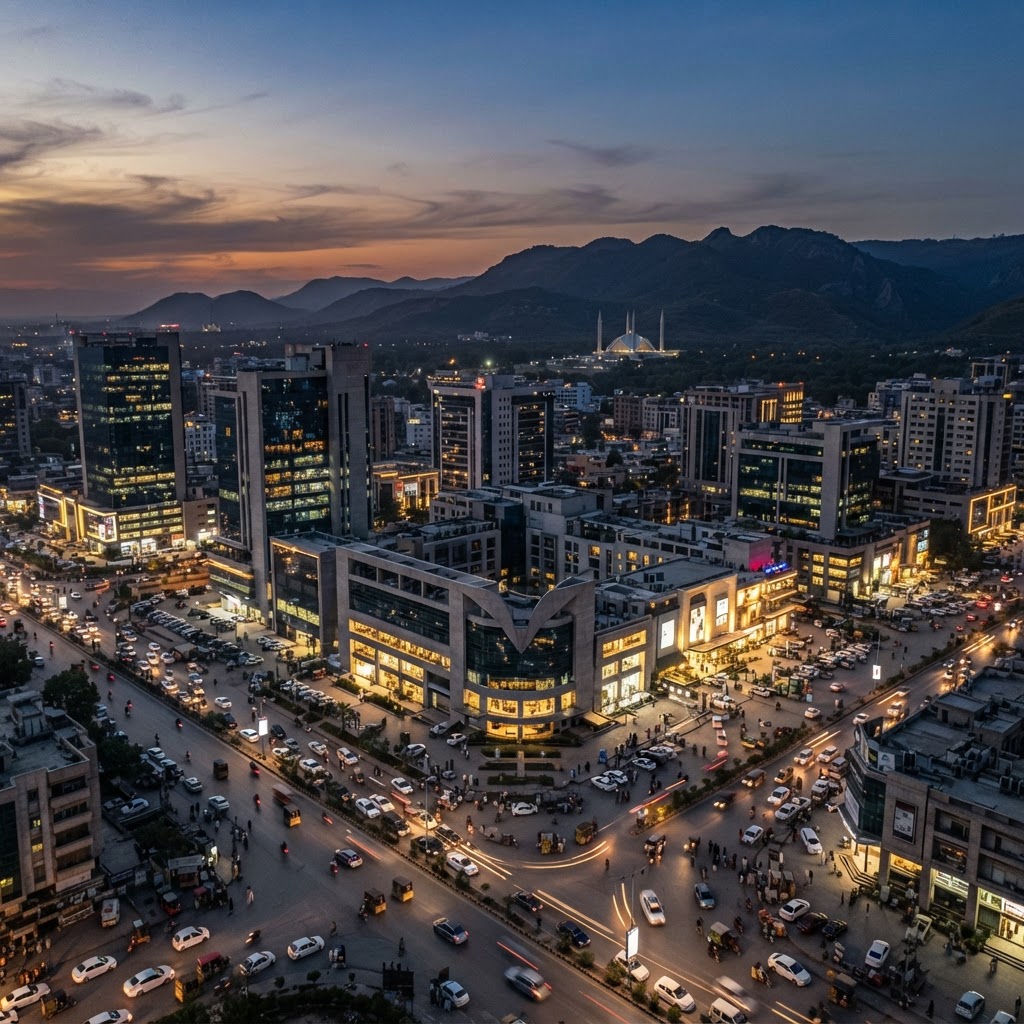
The International Monetary Fund (IMF) has issued a sobering forecast for Pakistan's economy, projecting a 1.3% contraction in GDP for 2026. This downturn is largely attributed to the broader instability in the Middle East, which has fueled inflation and threatened the nation's external financial position. In response to these fiscal pressures, the government is actively seeking to bolster trade ties, including efforts to secure Qatar's assistance for an early Free Trade Agreement with the Gulf Cooperation Council.
On the security front, Islamabad remains deeply engaged in addressing regional threats. Officials have recently emphasized that the Afghan Taliban cannot evade responsibility for ongoing terror concerns by shifting blame onto Pakistan. This stance is supported by broader regional dialogues, where neighboring powers have expressed collective concern regarding the security situation and the persistence of militant activities in the region.
Domestic development continues despite these headwinds. The government is prioritizing financially viable infrastructure projects through the National Highway Authority, while the private sector pushes forward with industrial expansion, such as the anticipated launch of a BYD manufacturing plant by the end of 2026. Furthermore, the nation is exploring new avenues for growth, including the debut of the Knowledge Economic City at the Saudi-Pakistan Real Estate Expo.
Diplomatically, Pakistan continues to balance its international commitments. The country has reaffirmed its 'One-China' policy while simultaneously strengthening defense cooperation through the 'Badr' accord with Turkiye, Qatar, and Indonesia. As the nation moves forward, policymakers are tasked with the difficult balance of maintaining regional stability while implementing structural reforms to navigate the current economic volatility.
RELATED DISPATCHES

Discussion (0)
No comments yet. Be the first to join the discussion.