DOJ Official Cites Lindsey Graham Precedent to Counter Congressional Subpoenas
Acting Deputy Attorney General Trent McCotter warns that legislative immunity has limits as tensions rise between the DOJ and Democratic lawmakers.
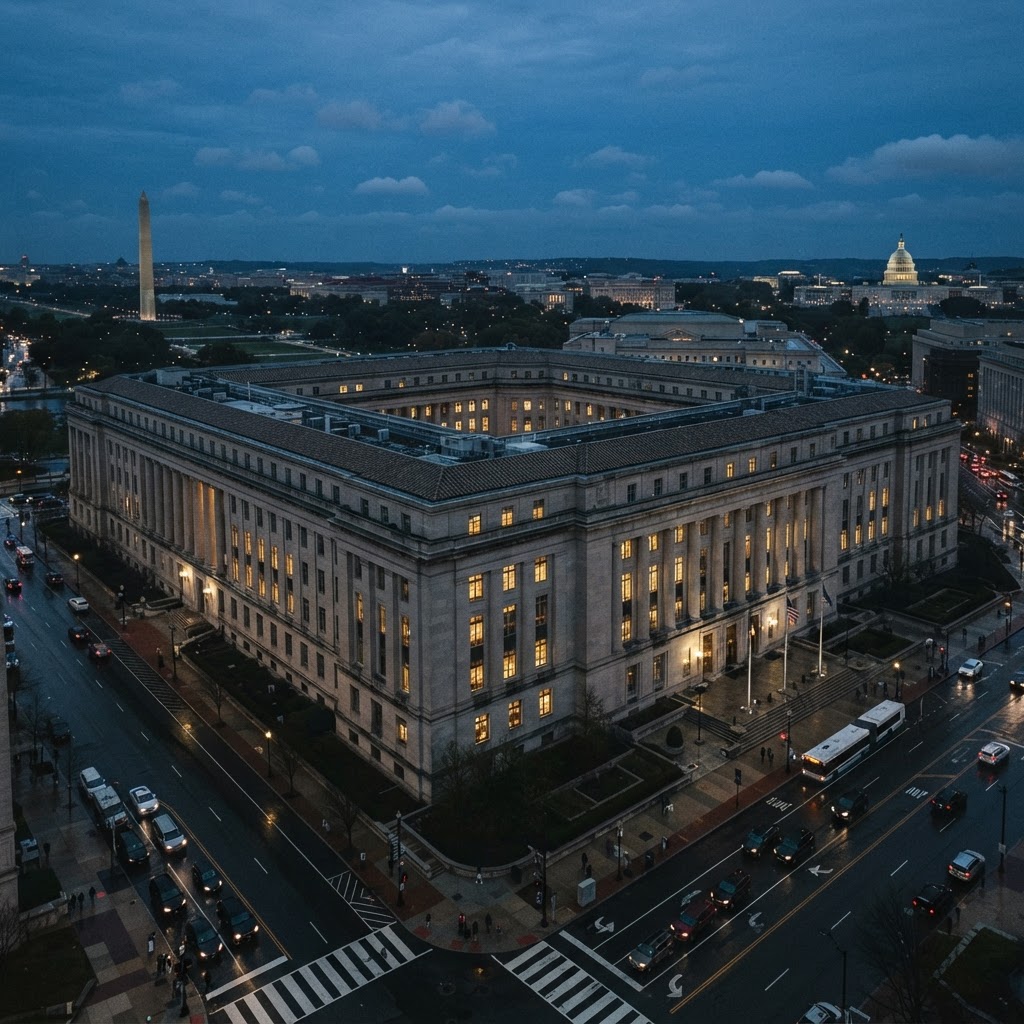
A senior official at the Department of Justice has issued a pointed warning to Democratic lawmakers, suggesting that their recent threats of congressional oversight may not be fully protected from legal scrutiny. Acting Deputy Attorney General Trent McCotter highlighted the 2020 legal battle involving the late Senator Lindsey Graham to illustrate that constitutional safeguards for members of Congress are not absolute. McCotter’s remarks come as the agency faces mounting pressure from incoming committee leaders regarding potential investigations into the Trump administration.
At the heart of the DOJ’s argument is a 2022 ruling from the 11th U.S. Circuit Court of Appeals, which determined that the Constitution’s Speech or Debate Clause does not provide blanket immunity for every action taken by a legislator. The court specifically noted that activities such as “cajoling” executive branch officials fall outside the scope of protected legislative business. McCotter emphasized that this legal distinction remains highly relevant to the current political climate, signaling that the department is prepared to challenge subpoenas that it deems overreaching.
The administration’s strategy is further bolstered by actions from federal prosecutors, such as U.S. Attorney Aaron Reitz in the Southern District of Texas. Reitz has recently sent document-preservation notices to prominent Democratic senators, including Elizabeth Warren, Richard Blumenthal, and Elissa Slotkin. These letters accuse the lawmakers of intending to weaponize their investigative powers to target private individuals and political allies of President Donald Trump, rather than pursuing a legitimate legislative purpose.
Legal experts observe that this invocation of the Graham case serves as a strategic “warning shot” in what could become a significant constitutional confrontation. By referencing the Supreme Court’s requirement that congressional inquiries must serve a valid legislative function—a standard reaffirmed in the 2020 Trump v. Mazars decision—the DOJ is laying the groundwork to contest future subpoenas in court. Conservative scholars suggest that public statements from Democrats regarding their investigative goals could be used as evidence to argue that such probes are intended for harassment rather than oversight.
Ultimately, the situation underscores a deepening divide between the executive and legislative branches. As the DOJ prepares to defend its officials against potential congressional demands, the reliance on the Graham precedent highlights the narrow path lawmakers must walk to ensure their oversight activities remain legally shielded. Whether this standoff escalates into a broader legal war remains a central question for the incoming administration.
RELATED DISPATCHES
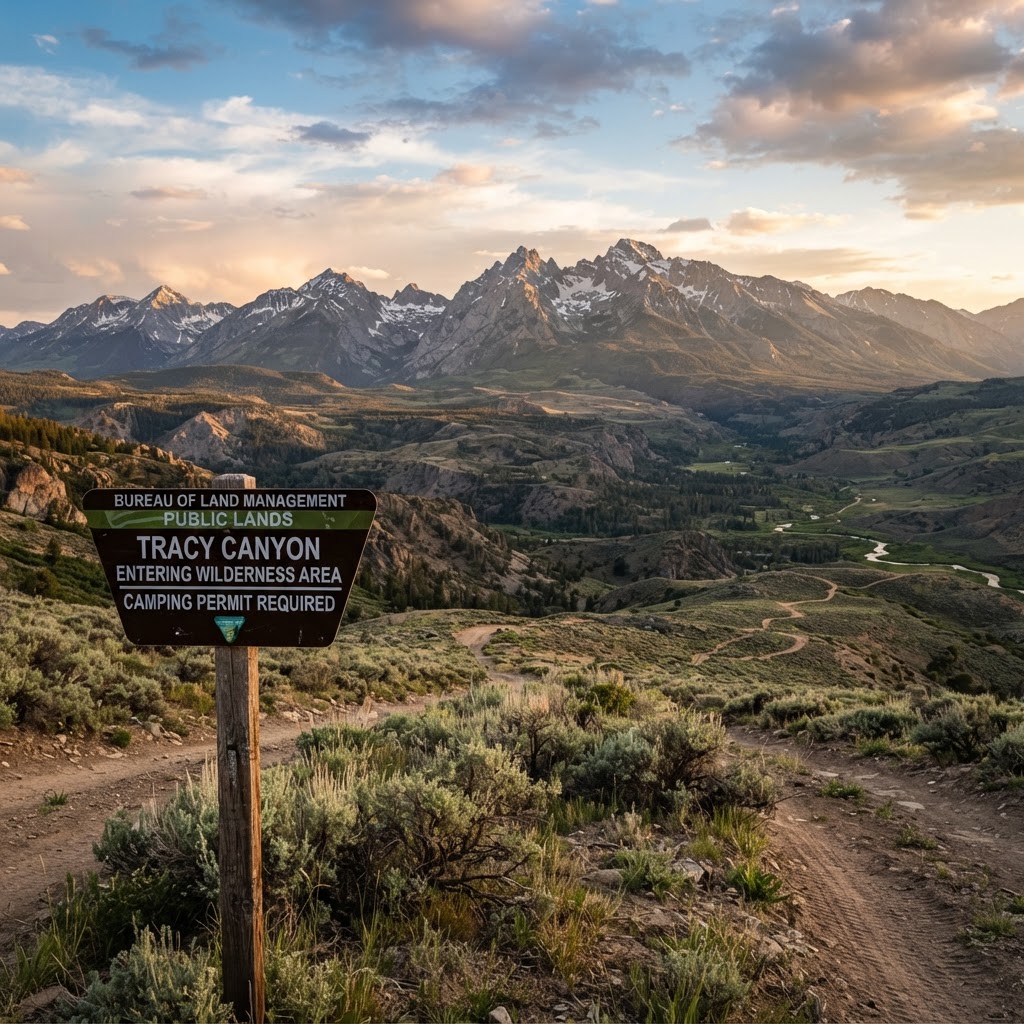
Trump Administration Unveils Strategy to Sell Federal Lands
2 hours 44 minutes ago
President Trump Marks National Rural Health Day with Record-Breaking Funding
2 hours 44 minutes ago
President Trump Appoints Pentagon Cyber Chief Kirsten Davies as National Cyber Director
2 hours 44 minutes agoDiscussion (0)
No comments yet. Be the first to join the discussion.