Debate Over Administrative Restructuring Gains Momentum in Pakistan
Government officials explore the potential for creating new provinces to enhance governance and public service delivery.
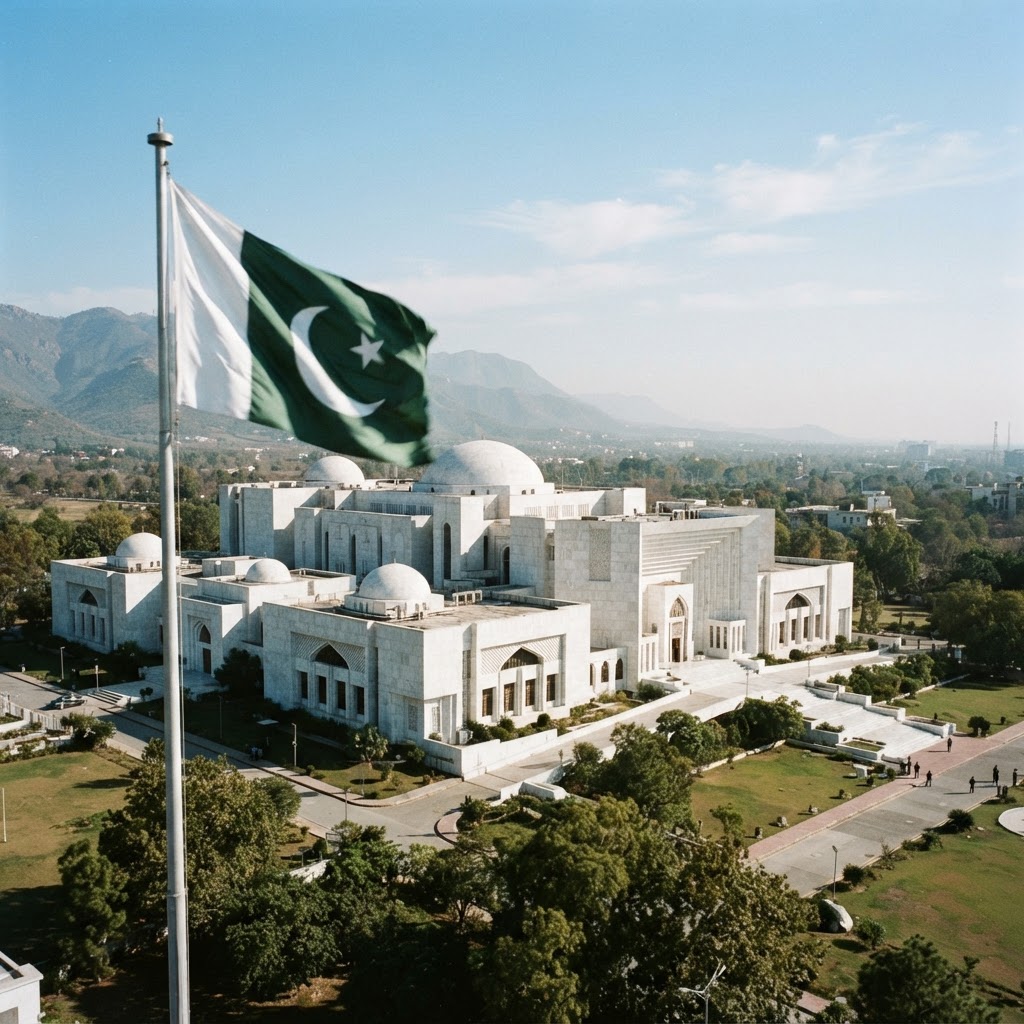
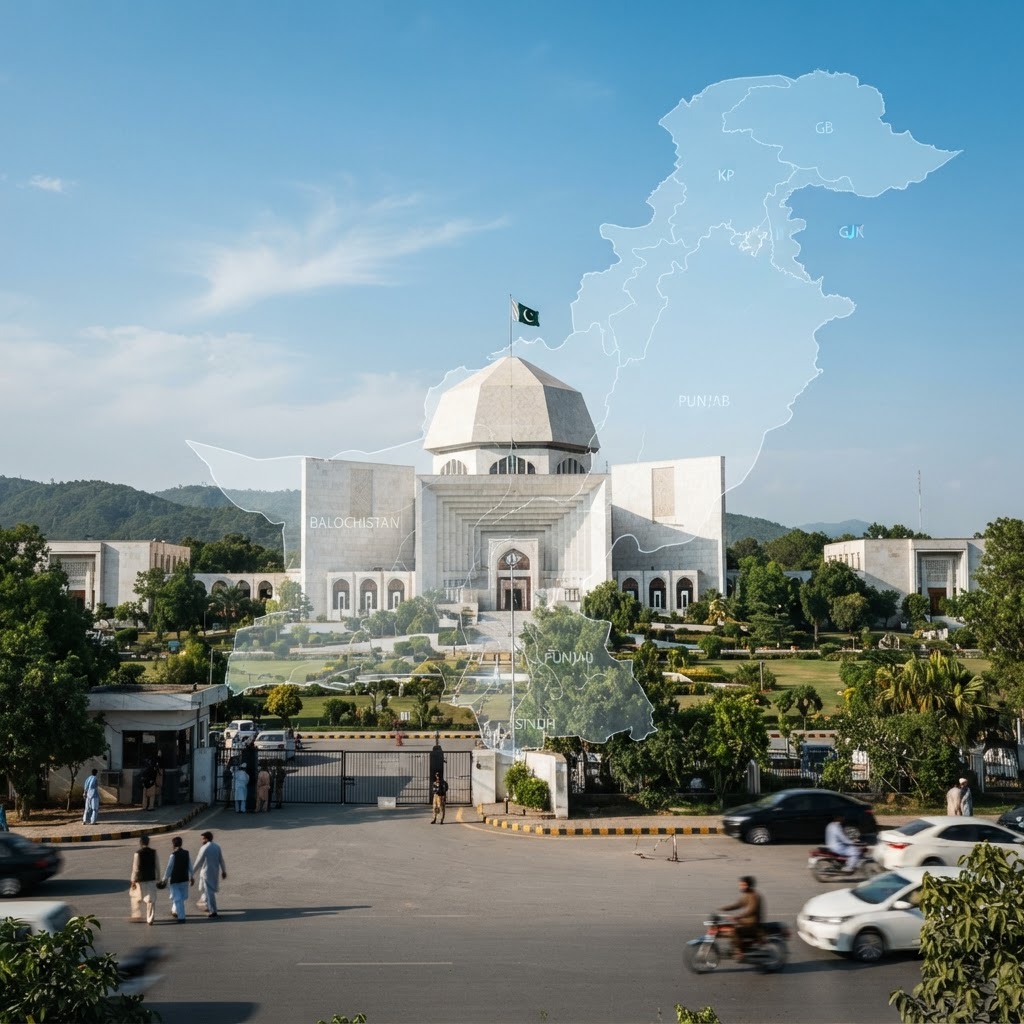
A significant national conversation has emerged regarding the potential redrawing of the administrative map of Pakistan. Recent discussions suggest a shift from the current four-province structure to as many as 12, a proposal aimed at decentralizing power and improving the efficiency of public services. Proponents argue that smaller administrative units could bring the government closer to the citizenry, fostering more equitable development across the country.
Defence Minister Khawaja Asif has publicly supported the concept, emphasizing that any such restructuring must be grounded in administrative necessity rather than linguistic, ethnic, or political motivations. The proposal aligns with broader calls for constitutional reforms and increased local government authority, which have been circulating within political circles as potential priorities for 2027.
While the idea has gained traction, experts note that the path to implementation remains complex. Establishing new provinces would require addressing significant logistical and legal hurdles, including the precise demarcation of boundaries, the equitable allocation of financial resources, and the restructuring of existing provincial institutions. The financial burden of creating new administrative setups also remains a point of concern for policymakers.
Despite the growing political discourse, the federal government has yet to formalize a roadmap for these changes. As the nation navigates this debate, stakeholders continue to emphasize that long-term economic stability and political consensus are essential prerequisites for any fundamental change to the country's administrative framework.
RELATED DISPATCHES
Discussion (0)
No comments yet. Be the first to join the discussion.