Debate Over Administrative Restructuring Gains Momentum in Pakistan
Government officials explore the potential creation of new provinces to enhance governance and public service delivery.
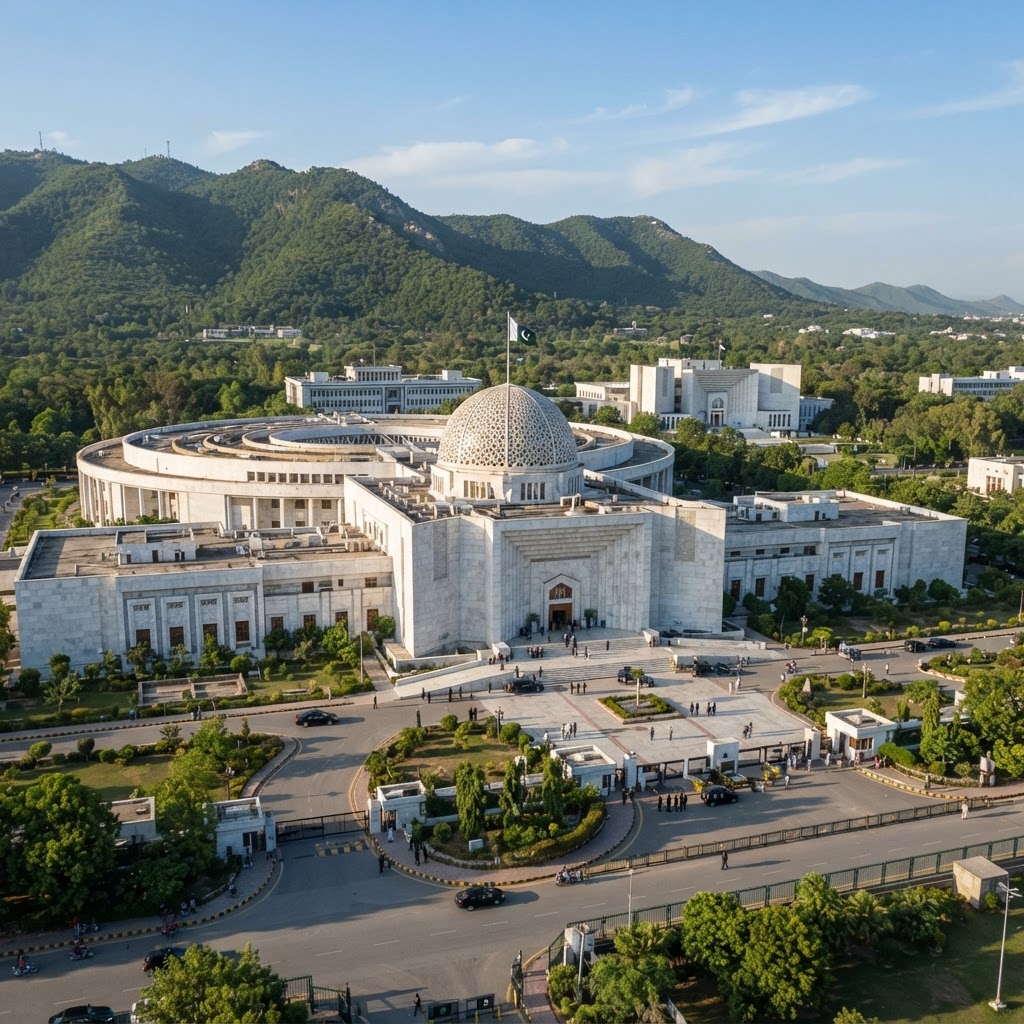
A significant national conversation has emerged in Pakistan regarding the potential redrawing of the country's administrative map. Defence Minister Khawaja Asif has publicly supported the idea of increasing the number of provinces from the current four to as many as 12. The proposal is framed as a strategic move to decentralize power, improve the efficiency of public services, and ensure a more equitable distribution of resources across the nation.
Proponents of the plan argue that smaller administrative units could bring the government closer to the citizenry, fostering better development outcomes. Minister Asif emphasized that any such restructuring must be grounded in administrative necessity rather than being driven by linguistic, ethnic, or political agendas. This sentiment aligns with broader calls for constitutional reforms aimed at strengthening local governance.
Despite the growing momentum, the path toward such a transformation remains complex. Implementing this change would require a constitutional amendment, necessitating a two-thirds majority in both houses of parliament under Article 239 of the Constitution. Officials have yet to establish an official roadmap, leaving critical questions regarding boundary demarcation, financial allocation, and the future of existing provincial institutions unanswered.
The discussion occurs against a backdrop of broader political and economic challenges facing the country. Prime Minister Shehbaz Sharif has been actively consulting with party leadership regarding national security and ongoing economic reforms. As the government navigates these multifaceted issues, the debate over provincial restructuring remains a focal point for potential long-term structural change in Pakistan.
RELATED DISPATCHES
Discussion (0)
No comments yet. Be the first to join the discussion.