Border Violence: Report Cites Nearly 1,200 Casualties from Pakistani Operations
A comprehensive human rights report documents the heavy toll of cross-border military actions on Afghan civilians since late 2024.
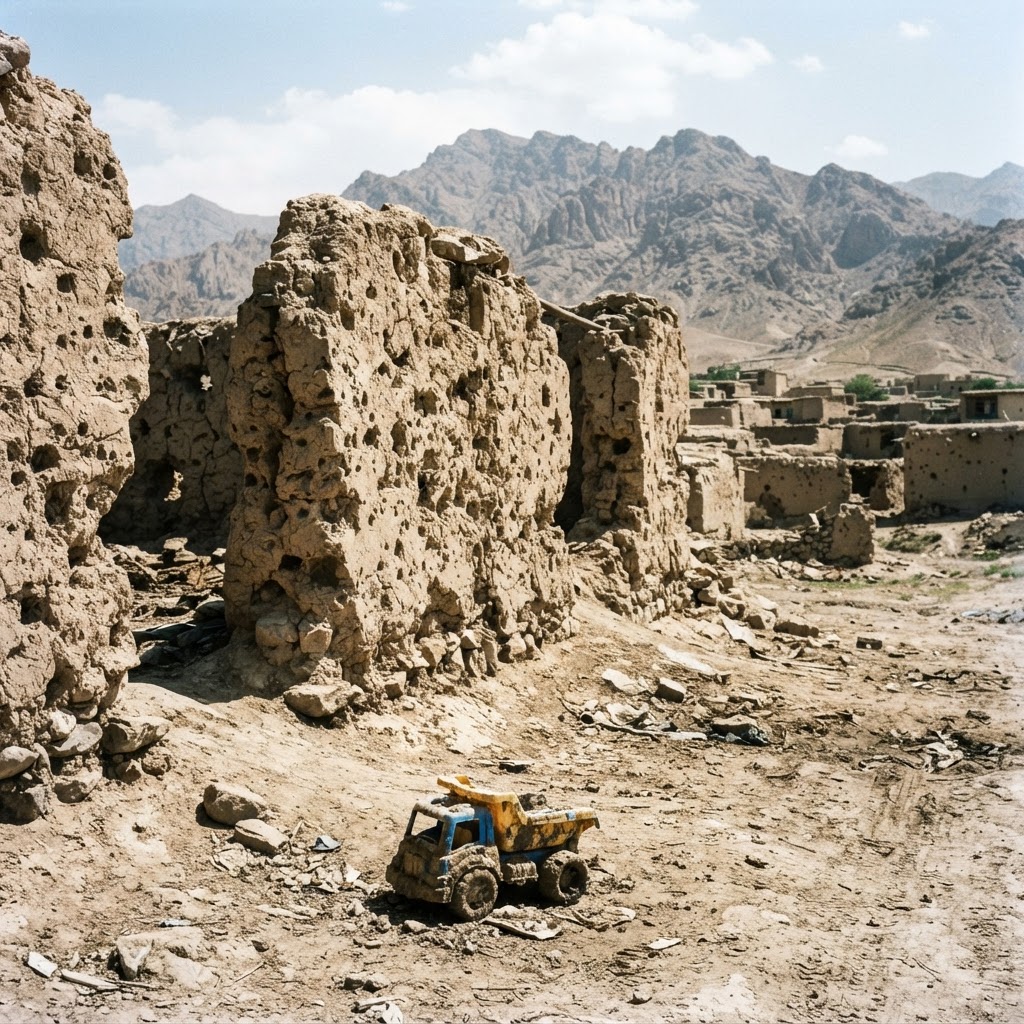
A new investigative report from the human rights organization Rawadari has brought to light the devastating human cost of military operations conducted by Pakistani forces within Afghan territory. According to the findings, which were recently highlighted by local media, at least 1,187 Afghans have been killed or injured in a series of attacks spanning from December 2024 to June 2026. The data paints a grim picture of escalating cross-border friction that has increasingly targeted residential and public areas.
The reported military actions include a combination of airstrikes, artillery shelling, and rocket attacks that have primarily affected border provinces such as Khost, Kunar, and Paktika. These regions, long characterized by their proximity to the Durand Line, have seen their security situation deteriorate significantly as military engagements become more frequent. Local authorities have characterized these actions as clear violations of Afghanistan's territorial integrity and international humanitarian standards.
One of the most concerning aspects of the report is the high proportion of civilian victims, including a significant number of women and children. In one notable incident in June 2026, airstrikes in eastern provinces reportedly killed 13 people, 11 of whom were children. The persistent nature of these strikes has created a climate of fear among border communities, where everyday activities are now overshadowed by the threat of sudden military intervention.
Beyond the immediate loss of life, the report documents a massive displacement crisis, with approximately 29,000 families forced to flee their homes to seek safety in more stable regions. This mass movement of people has placed an immense strain on local resources and humanitarian agencies. Furthermore, the destruction of critical infrastructure—including schools, health centers, and mosques—has severely hindered the long-term recovery and stability of the affected districts.
Diplomatic tensions between the caretaker government in Kabul and Islamabad remain at a breaking point. Pakistan has frequently defended its operations as counter-terrorism measures aimed at neutralizing militant hideouts, specifically those belonging to the Tehrik-e-Taliban Pakistan (TTP). However, Afghan officials and human rights observers have consistently rejected these justifications, pointing to the overwhelming evidence of civilian harm and the targeting of non-military facilities, such as a drug rehabilitation center in Kabul that was struck earlier this year.
As the conflict persists, the international community has faced growing calls to intervene and facilitate a de-escalation of hostilities. The report by Rawadari serves as a formal documentation of what many local residents describe as a humanitarian crime. Without a shift in military policy or a successful diplomatic breakthrough, the cycle of violence along the border threatens to deepen the already profound instability facing the region and its most vulnerable inhabitants.
RELATED DISPATCHES
Discussion (0)
No comments yet. Be the first to join the discussion.