Arizona Election Officials Report Decline in Federal Security Briefings
State leaders express concern over reduced federal intelligence sharing as election security landscape shifts.
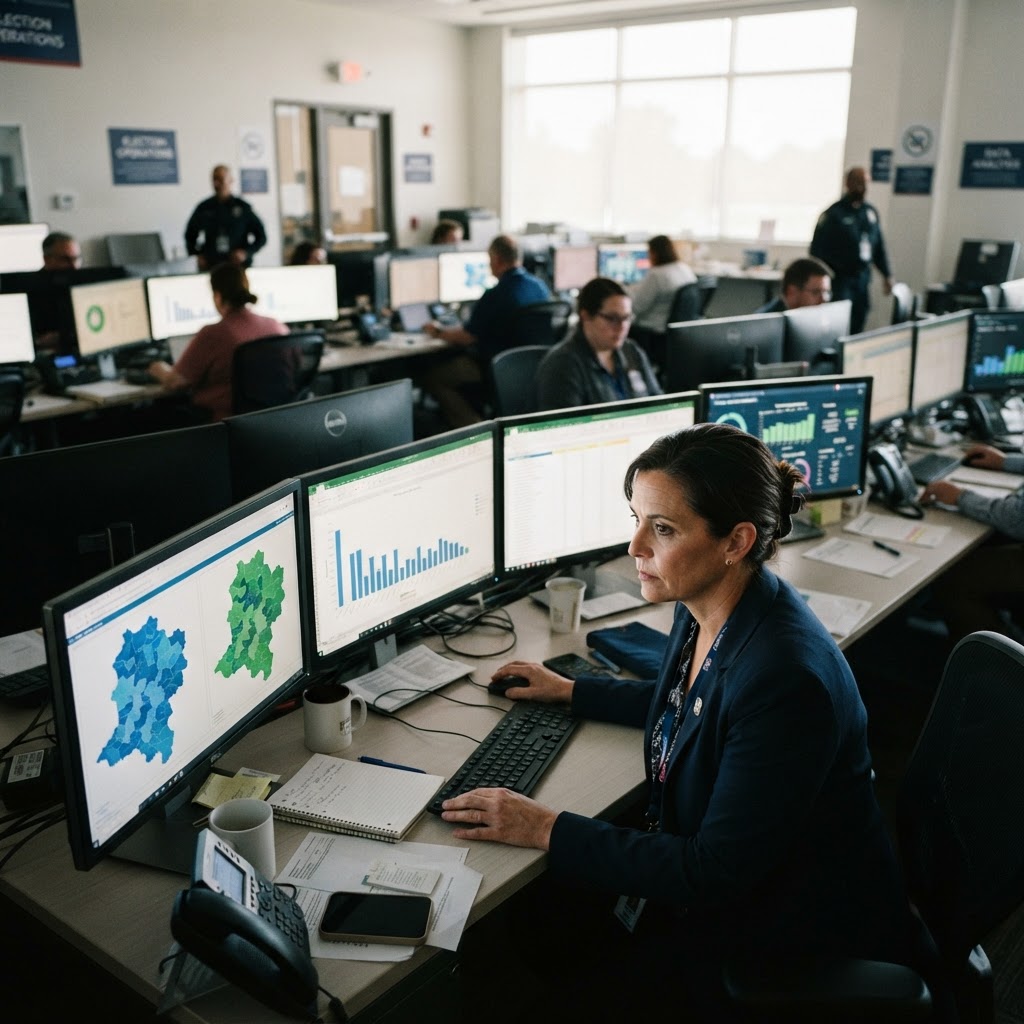
Arizona election officials have raised alarms regarding a noticeable decrease in federal election-specific security briefings. According to reports from state-level administrators, the frequency of critical intelligence updates provided by federal agencies has dropped significantly compared to previous election cycles. This shift has created a perceived gap in the collaborative framework that state and local offices rely on to defend against foreign influence and cyber threats.
While federal agencies maintain that they remain committed to protecting national infrastructure, state officials report that the flow of actionable intelligence has become less consistent. The reduction in these specialized briefings comes at a time when artificial intelligence is increasingly being utilized to facilitate foreign interference campaigns, making the need for real-time threat data more urgent than ever for those managing the ballot box.
Some state representatives have noted that while they still participate in general cybersecurity calls regarding software vulnerabilities, the tailored, election-focused intelligence sessions that were once a staple of their preparation have largely faded. This change has forced local jurisdictions to rely more heavily on their own internal resources and backup plans to ensure the integrity of the voting process.
Experts and state officials suggest that the dismantling of certain federal programs dedicated to tracking foreign influence has contributed to this communication vacuum. The current administration maintains that its support for election security remains a priority, yet the disconnect between federal intelligence gathering and the needs of state-level administrators continues to be a point of contention as election seasons approach.
Despite these challenges, Arizona officials emphasize that they are working to bolster their own defenses through independent advisory committees and partnerships with academic institutions. By professionalizing the workforce and focusing on physical and cyber security assessments, they aim to maintain the resilience of the electoral system even in the absence of the robust federal support seen in years past.
RELATED DISPATCHES

Multi-State Manhunt Intensifies After Escaped Inmate's Vehicle Found in Illinois
1 hour 36 minutes ago
Talarico Maintains Slim Advantage Over Paxton in Texas Senate Contest
1 hour 36 minutes ago
Justice Department to Deploy 1,000 Monitors Nationwide for Midterms
1 hour 36 minutes agoDiscussion (0)
No comments yet. Be the first to join the discussion.