Alberta Voters Overwhelmingly Choose to Remain in Canada
A decisive referendum result reinforces national unity as the province rejects a path toward potential independence.
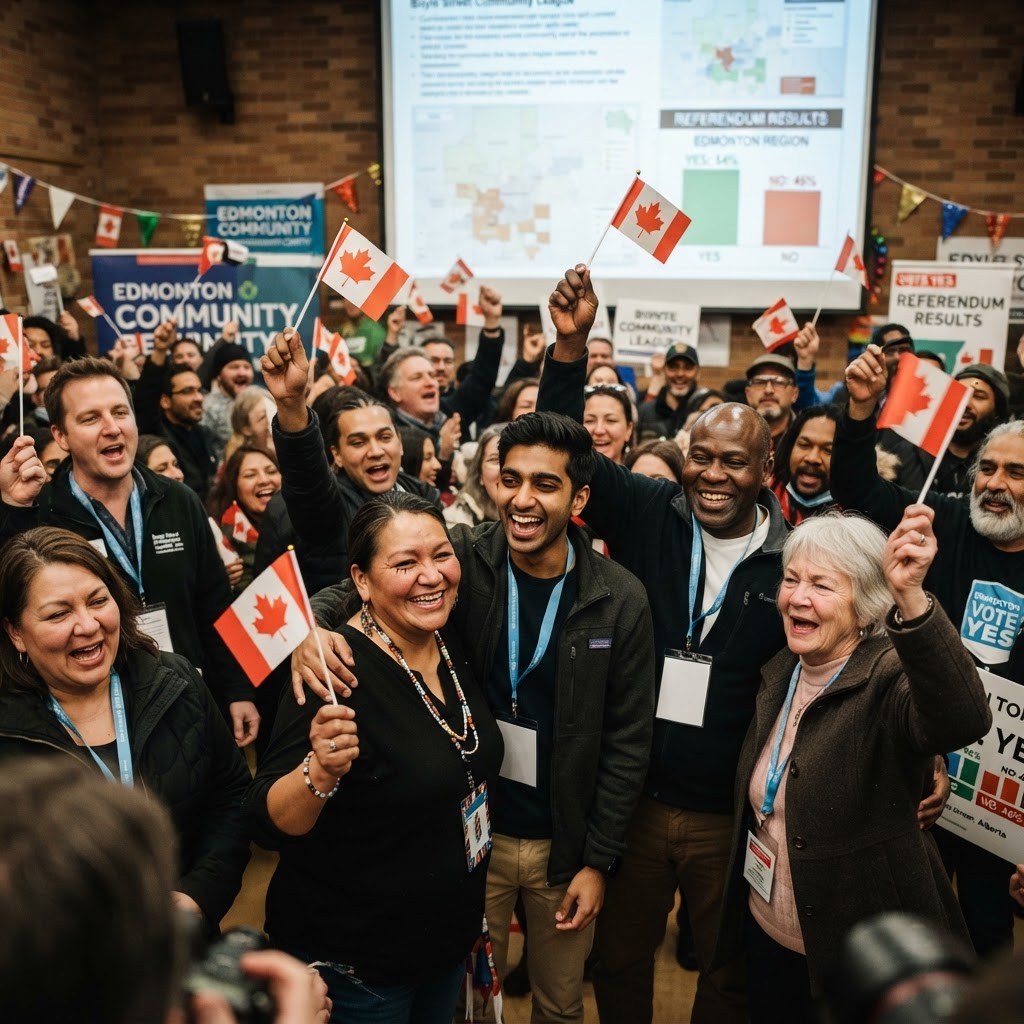
In a significant victory for national cohesion, voters in the oil-rich province of Alberta have firmly rejected a proposal that would have initiated a formal process toward independence. Preliminary results indicate that approximately 76% to 77% of participants favored maintaining the status quo, while roughly 23% supported moving toward a separation process. The referendum, while not a direct vote on secession itself, was designed to determine if the province should begin the preliminary steps that could eventually lead to a future vote on leaving the country.
The outcome provides a substantial boost to Prime Minister Mark Carney, who has been actively campaigning for national unity. His efforts have gained particular resonance against the backdrop of ongoing trade tensions and provocative annexation rhetoric originating from the United States. By framing the vote as a critical test for the country's future, the Prime Minister successfully rallied support in a region where federal leadership has historically faced significant skepticism.
Alberta Premier Danielle Smith, who initiated the referendum under pressure from separatist factions within her own United Conservative Party, has publicly opposed independence. Despite the clear rejection of the proposal, some separatist advocates argue that the campaign has successfully elevated their cause from a fringe movement to a more prominent political force. They maintain that their efforts to educate the public on the perceived benefits of sovereignty will continue to influence the provincial discourse.
Deep-seated frustrations regarding the federal government in Ottawa have long existed in Alberta, often fueled by economic grievances and a sense of being overlooked. While these sentiments have historically failed to translate into widespread support for full independence, the recent mobilization of activists—partially spurred by lingering anger over pandemic-era restrictions—prompted this formal test of public opinion. As the province moves forward, the focus now shifts to how the government will address these underlying regional tensions while maintaining its commitment to a unified Canada.
RELATED DISPATCHES

Discussion (0)
No comments yet. Be the first to join the discussion.