World Court Issues Historic Genocide Ruling Against Myanmar
In an unprecedented legal milestone, the ICJ has held Myanmar accountable for the systematic destruction of the Rohingya population.
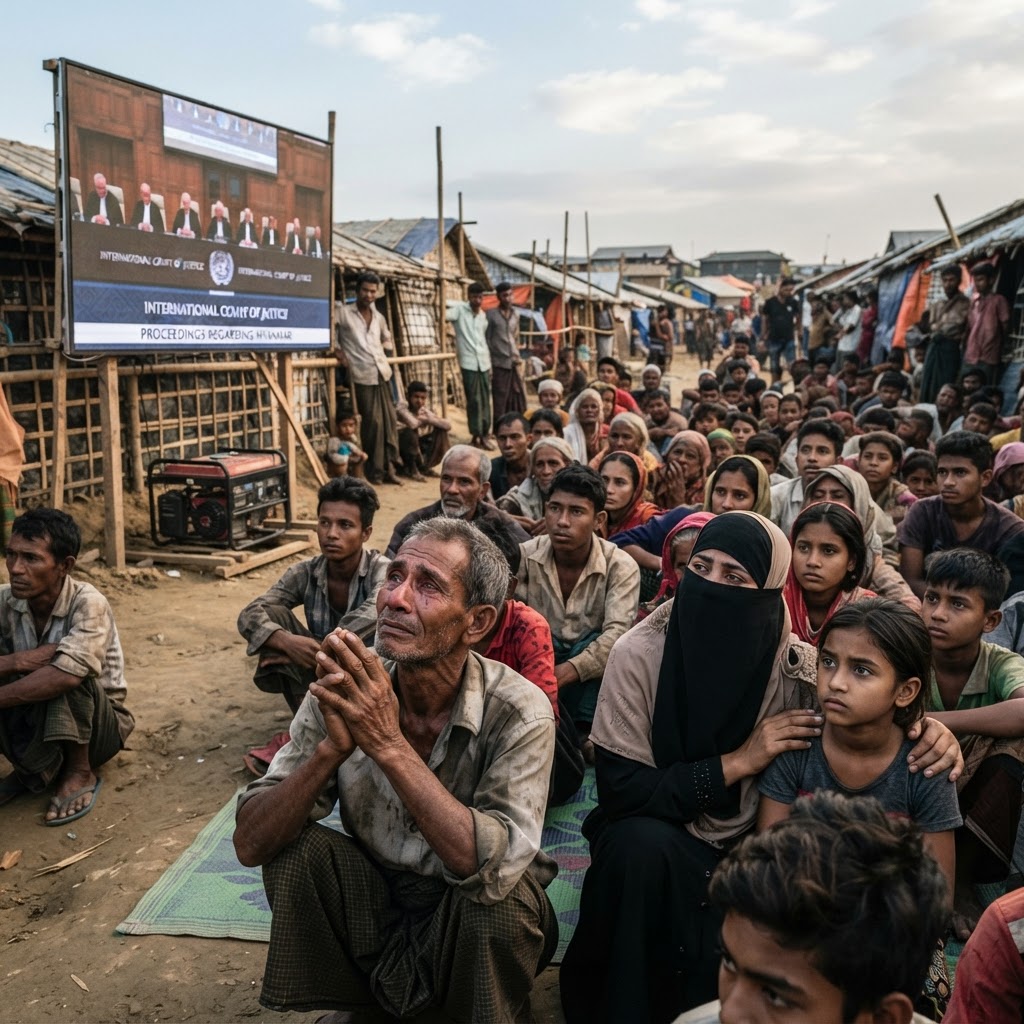
In a landmark decision that marks a turning point for international law, the International Court of Justice (ICJ) has officially determined that Myanmar is responsible for committing genocide against the Rohingya ethnic minority. This ruling, delivered on November 19, 2026, represents the first time in the court’s 80-year history that a sovereign state has been held legally accountable for the crime of genocide. The judgment concludes a high-stakes legal battle initiated by The Gambia, which argued that Myanmar’s military operations in Rakhine State violated the 1948 Genocide Convention.
Presiding over the case, ICJ President Yuji Iwasawa detailed how Myanmar’s security forces engaged in a calculated campaign of violence during the 2017 'clearance operations.' The court found that these actions—which included the mass killing of civilians, widespread sexual violence, and extreme brutality against children—were not merely collateral damage of counterinsurgency efforts, but were driven by a clear genocidal intent to destroy a substantial portion of the Rohingya population. The judges rejected alternative explanations for the military's conduct, concluding that the systematic nature of the attacks left no other reasonable inference.
The court’s ruling carries significant weight, as it also found that Myanmar failed in its fundamental obligation to prevent and punish these atrocities. By a 9-6 vote, the bench established that the state’s actions violated international treaties, effectively stripping away any claims of immunity for the state-sponsored violence. Legal experts have hailed the decision as a vital victory for human rights, noting that it provides a long-awaited measure of recognition for the thousands of victims who suffered during the displacement crisis.
As part of the final judgment, the ICJ has issued binding orders requiring Myanmar to take immediate corrective actions. These mandates include the cessation of all ongoing violations, the prosecution of those responsible for the crimes, and the provision of reparations to the Rohingya people. The court specifically ordered that Myanmar must facilitate the safe, voluntary, and dignified return of displaced families to their homes and provide compensation for the extensive damage caused to their communities. The state is now required to report its progress on these restitution measures to the court within two years.
RELATED DISPATCHES

Discussion (0)
No comments yet. Be the first to join the discussion.