White House Replaces National Cyber Director Amid Tech Outage Crisis
Pentagon CIO Kirsten Davies steps in as acting director following the departure of Sean Cairncross.
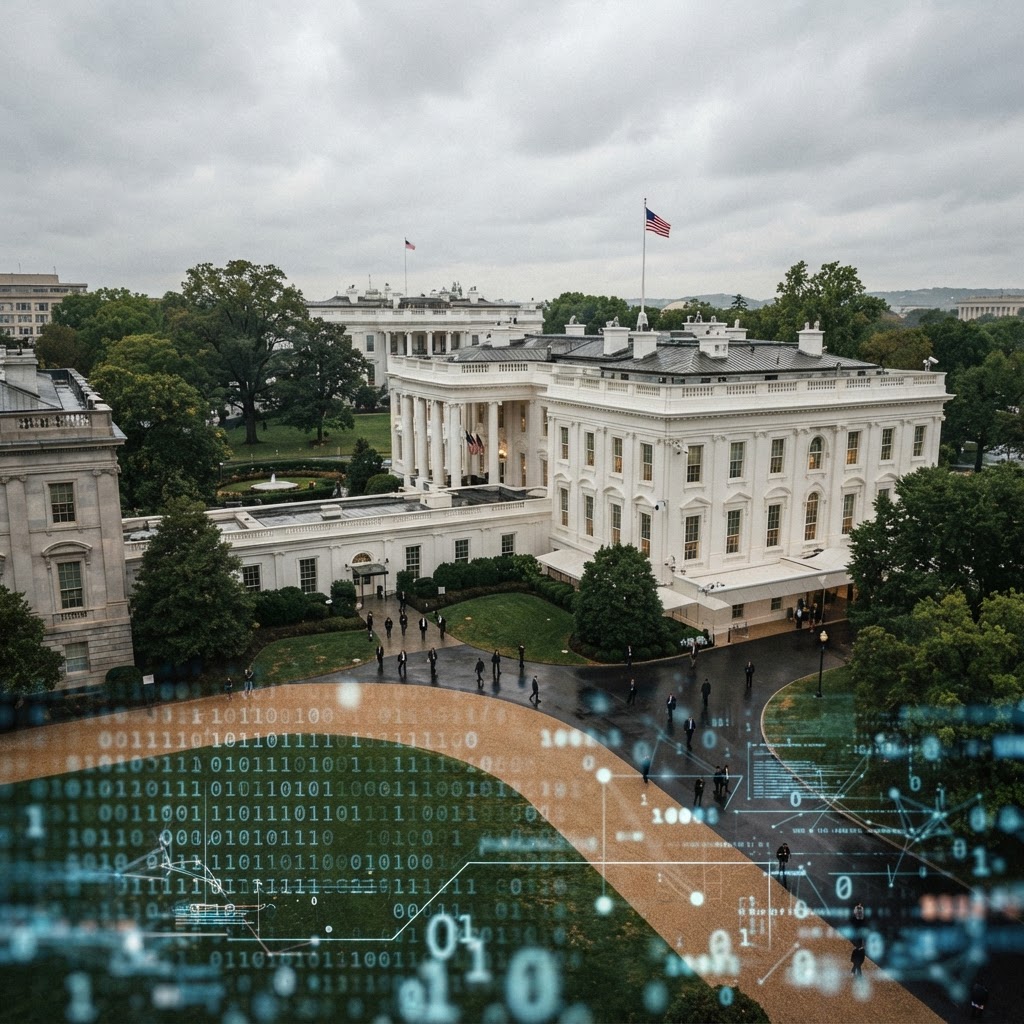
The White House has announced a significant leadership change within its cybersecurity division, replacing National Cyber Director Sean Cairncross with Kirsten Davies, the current Chief Information Officer at the Pentagon. This transition occurs as the United States grapples with a series of widespread technology disruptions that have impacted critical sectors, including banking, aviation, and government communications. While officials have clarified that these recent failures were linked to system updates and maintenance rather than malicious cyberattacks, the instability has intensified scrutiny of the administration's digital infrastructure strategy.
Sources indicate that the decision to remove Cairncross was driven by concerns regarding his technical expertise. Reports suggest that White House Chief of Staff Stephen Miller had long advocated for a change in leadership, questioning whether the outgoing director possessed the necessary credentials to manage the nation's complex cyber policy. Cairncross, who was confirmed by the Senate in August 2025, had previously focused on AI security frameworks and national cyber strategy development, but his influence appeared to wane as the administration prioritized new leadership for its technology initiatives.
Kirsten Davies, who will serve in an acting capacity, brings a background in private sector technology and defense-focused IT management to the role. During her tenure as the Pentagon’s CIO, she has been recognized for her efforts to modernize digital infrastructure and streamline enterprise software agreements. Her appointment is viewed by some as a move to bolster the administration's technical capabilities as it navigates an increasingly interconnected landscape of analog, digital, and quantum technologies.
In her initial remarks following the appointment, Davies emphasized the need for resilience and modernization to secure the nation's future. Her arrival marks a pivotal moment for the White House, which is also working to fill other key vacancies, including the leadership of the Cybersecurity and Infrastructure Security Agency (CISA). As the country recovers from recent service disruptions, the administration is expected to lean heavily on Davies to drive a more robust and proactive approach to national cyber defense.
RELATED DISPATCHES



Discussion (0)
No comments yet. Be the first to join the discussion.