Voter Expectations for the New Democratic Congress
While united by a strong rejection of the Trump administration, voters are split on whether the new majority should prioritize economic relief or aggressive oversight.
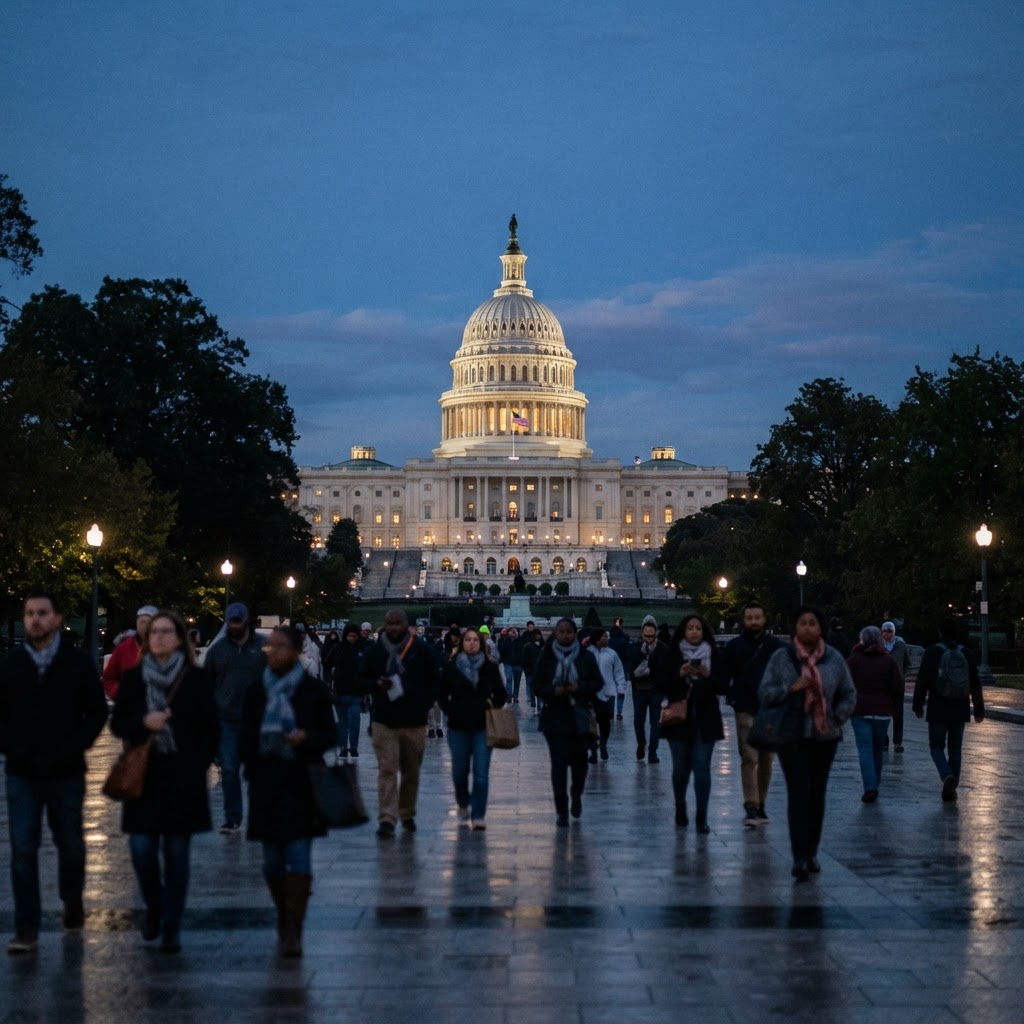
Following a decisive midterm victory that secured control of both the House and Senate, the incoming Democratic majority faces a complex mandate from its diverse coalition of supporters. Recent polling data indicates that the primary unifying force among these voters is a near-universal disapproval of the Trump administration. However, beneath this shared sentiment lies a significant divide regarding the legislative agenda that should take precedence when the new Congress convenes in January.
For many voters, the immediate priority is economic relief. Data suggests that a substantial portion of the electorate is focused on the rising costs of housing, groceries, and utilities. While Democratic leadership has signaled a commitment to addressing these financial pressures, there is a clear tension between those who want the party to focus on tangible improvements to the cost of living and those who view the current political climate as an existential threat to democracy that requires immediate, aggressive action.
This tension is reflected in the debate over oversight and accountability. While a large majority of Democratic-aligned voters support investigations into the Trump administration, including inquiries into potential corruption and specific controversies like the Epstein files, many voters express concern that these efforts should not overshadow the need for meaningful economic policy. Some constituents have explicitly urged lawmakers to prioritize turning the economy around over purely punitive measures, suggesting that justice may be better served through long-term legislative success.
Healthcare remains a cornerstone of the public's expectations, with broad support for expanding Medicare to cover vision, dental, and hearing services. Proposals to lower the Medicare eligibility age and guarantee coverage for children are also highly popular across party lines. These initiatives represent a potential path for Democrats to demonstrate legislative progress, even in an environment where presidential vetoes remain a significant hurdle.
Ultimately, the data reveals a coalition that is demanding both accountability and results. Voters are increasingly skeptical of the status quo, with a majority expressing a desire for new leadership and a departure from current policies. As the new Congress takes shape, the challenge for Democratic leaders will be to balance the intense demand for oversight of the executive branch with the urgent, practical needs of families struggling with inflation and economic instability.
RELATED DISPATCHES



Discussion (0)
No comments yet. Be the first to join the discussion.