Uzbekistan Strengthens Economic Ties and Strategic Partnerships
As the nation celebrates its 35th anniversary of independence, Uzbekistan continues to pursue robust economic growth and deeper international cooperation.
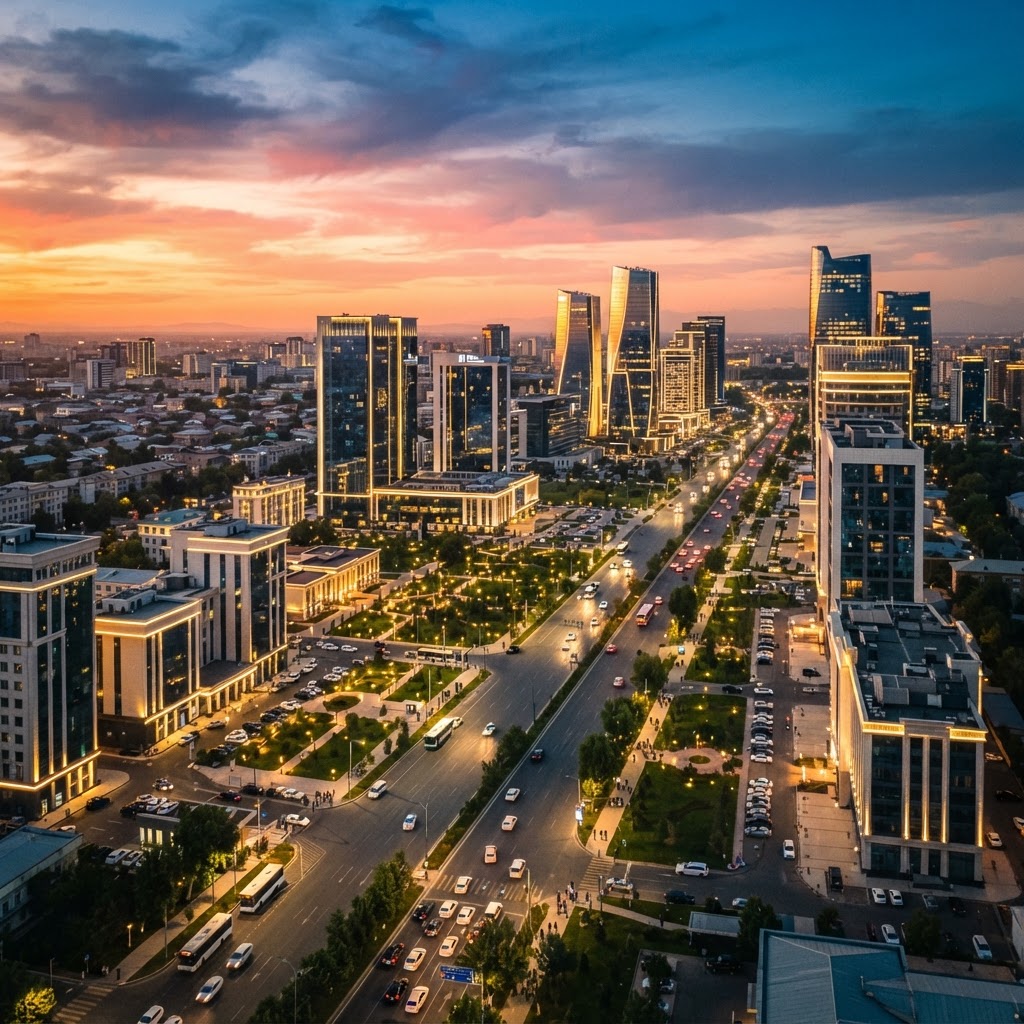
Uzbekistan is currently experiencing a period of significant economic momentum, with recent forecasts from the Asian Development Bank projecting strong growth of 6.7% for 2026. This expansion is supported by a series of wide-ranging structural reforms and a steady influx of foreign investment, which have helped the country maintain its trajectory despite global economic uncertainties. The nation's trade turnover has also seen notable growth, reaching $41 billion in the first half of 2026.
In the diplomatic sphere, President Shavkat Mirziyoyev recently met with U.S. officials to discuss the further strengthening of the Uzbekistan-U.S. strategic partnership. Discussions focused on expanding cooperation in critical sectors such as energy, digital technologies, artificial intelligence, and agriculture. These efforts are part of a broader strategy to integrate the nation more deeply into the global economy and enhance regional connectivity.
Beyond economic policy, the government has made strides in social and legal development. The World Bank has recognized Uzbekistan as one of the top global improvers in legal gender equality, citing significant legislative progress, including the adoption of a new Labor Code and laws aimed at protecting women from domestic violence. These reforms reflect a broader commitment to aligning national standards with international conventions.
As the country looks toward the future, it continues to pursue ambitious goals, including a target to reach a $300 billion GDP by 2030. While navigating the complexities of being a doubly landlocked nation, Uzbekistan is actively seeking to diversify its trade routes and attract international business through initiatives like the proposed special economic zone for U.S. companies. These developments underscore the nation's ongoing transition toward a more open and globally integrated economy.
RELATED DISPATCHES
Discussion (0)
No comments yet. Be the first to join the discussion.