US Labor Market Cools Significantly in September
Hiring falls to 29,000 new positions as unemployment rises to 4.2 percent.
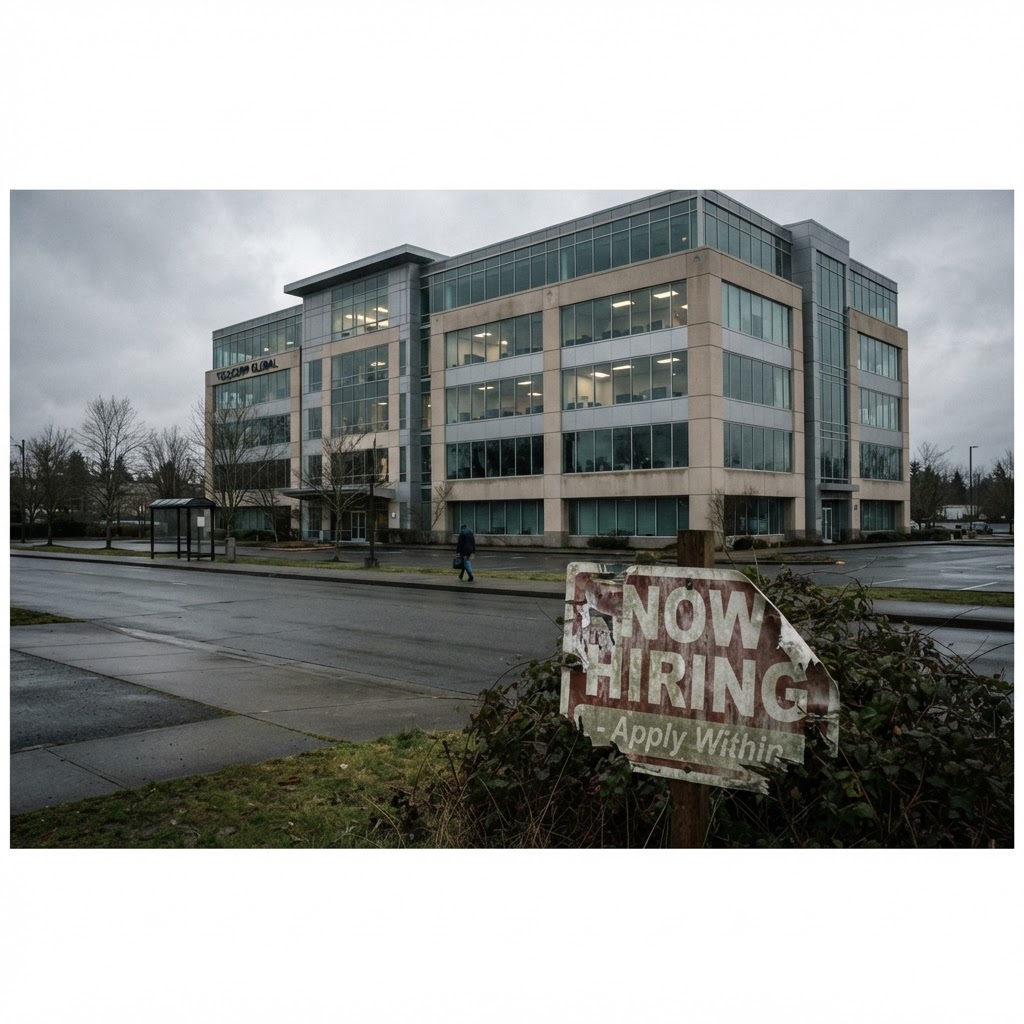
The United States labor market experienced a notable deceleration in September, with employers adding only 29,000 new jobs. This figure fell well short of the 90,000 positions that economists had anticipated, marking a sharp decline from the revised 133,000 jobs added in August. The latest data from the Bureau of Labor Statistics highlights a period of subdued hiring across most major sectors of the economy.
Alongside the slowdown in payroll growth, the national unemployment rate ticked up to 4.2%, rising from 4.1% the previous month. While this remains historically low, the increase reflects a cooling trend that has persisted throughout the year. Additionally, government revisions reduced the job count for July and August by a combined 60,000, further underscoring the softening demand for labor.
Industry performance was mixed during the month. While the healthcare sector saw modest gains—specifically in ambulatory services and hospitals—these were partially offset by losses in nursing and residential care facilities. Meanwhile, the construction sector saw a slight uptick, though overall hiring activity remains stagnant compared to more robust periods of growth.
Analysts suggest that the current environment is characterized by a unique dynamic: businesses are not aggressively cutting staff, but they are also hesitant to expand their workforces. This 'wait-and-see' approach has left the labor market in a state of moderation. With the midterm elections approaching, the state of the economy and the high cost of living remain central concerns for the public.
Looking ahead, the weak September report is expected to influence upcoming policy discussions, particularly regarding the Federal Reserve's interest rate strategy. As officials continue to balance the goal of reaching full employment with the ongoing effort to manage inflation, the labor market's current 'flashing yellow' status will likely remain a primary focus for policymakers.
RELATED DISPATCHES



Discussion (0)
No comments yet. Be the first to join the discussion.