US Army Completes Controlled Detonation of Unstable Explosives in Iowa
Military officials declare the destruction of nearly five tons of degraded lead azide a success with no immediate signs of lead dispersal.
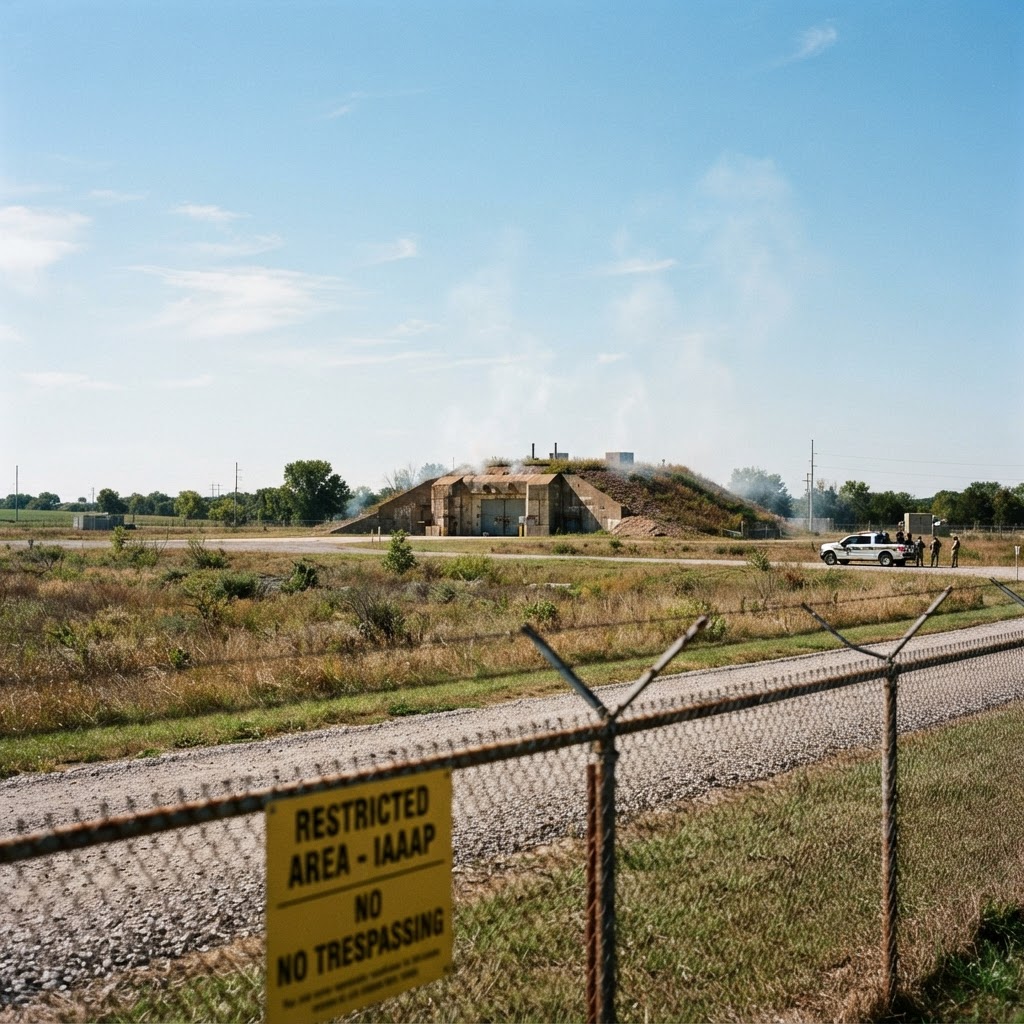
The U.S. Army successfully executed a controlled detonation of approximately 10,000 pounds of degraded lead azide at the Iowa Army Ammunition Plant in Middletown on Wednesday morning. The operation, which took place around 9 a.m., was deemed necessary by military leadership to neutralize a stockpile that had become dangerously unstable due to crystallization. Officials emphasized that the material had reached a state where any physical handling or transport posed an unacceptable risk of an uncontrolled, spontaneous explosion.
Following the blast, Major General Eric Shirley, who oversaw the mission, described the outcome as tremendously successful and noted that the results exceeded initial expectations. The detonation was carried out within a reinforced bunker system utilizing layers of earth, sand, and high-expansion foam to mitigate the release of hazardous particulates. Early environmental monitoring conducted by the EPA has reportedly detected zero levels of airborne lead in the surrounding areas, providing a measure of relief to local communities.
Prior to the event, the operation faced significant legal and public scrutiny. Environmental groups and local residents had raised concerns regarding the potential for toxic lead dust to spread into neighboring regions. These challenges led to temporary delays, including an administrative stay that was eventually lifted by the Eighth Circuit Court of Appeals. The court concluded that the risks associated with delaying the disposal outweighed the potential environmental impact of the planned, mitigated blast.
In preparation for the event, the Federal Emergency Management Agency (FEMA) coordinated with local authorities to issue safety guidance, including evacuation recommendations for residents in the immediate vicinity. While the plume was projected to travel southwest toward Missouri, officials have maintained that the mitigation strategies were effective. The EPA continues to conduct intensive sampling of soil, water, and air to ensure ongoing public safety as the cleanup and monitoring phase proceeds.
RELATED DISPATCHES


Discussion (0)
No comments yet. Be the first to join the discussion.