Ukraine Implements New Media Restrictions on Infrastructure Damage Reporting
President Zelenskyy signs decree prohibiting coverage of strike consequences and repair timelines to bolster national security.
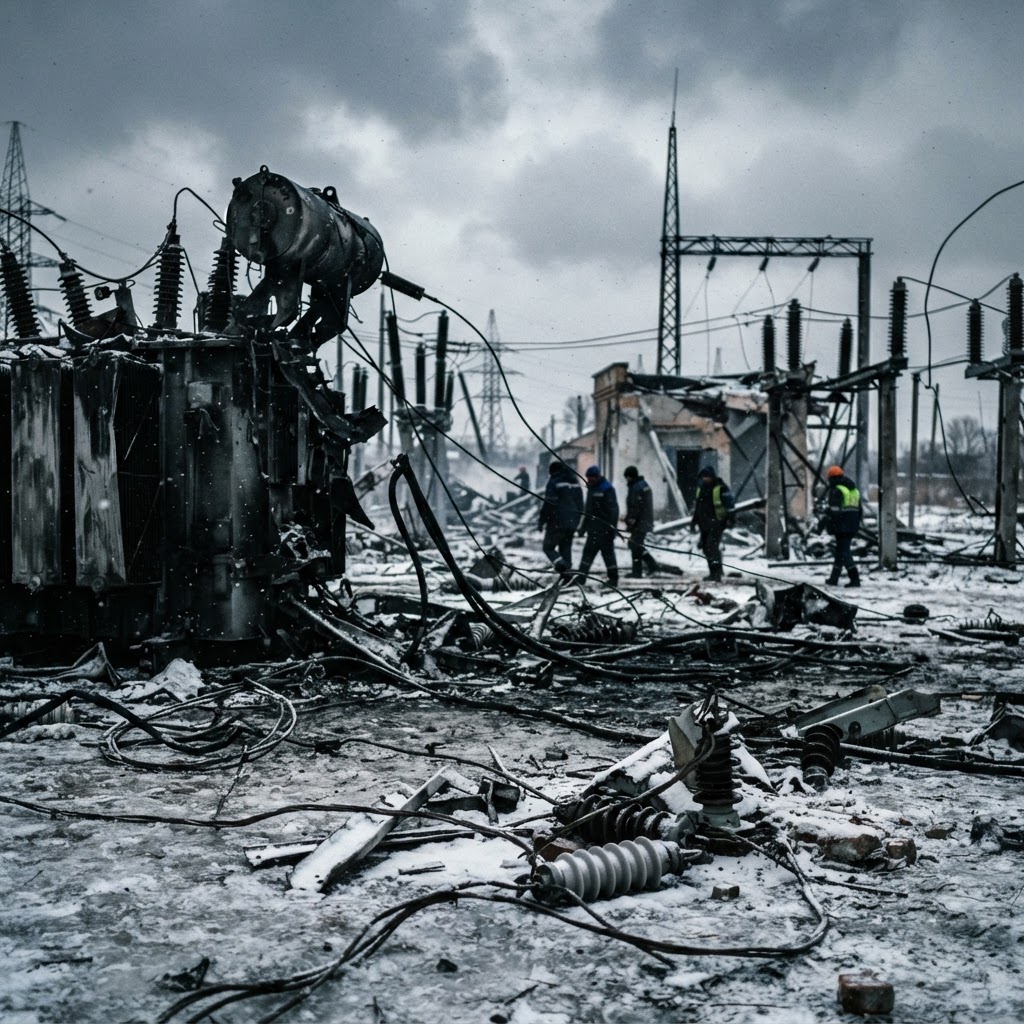
Ukrainian President Volodymyr Zelenskyy has enacted a new decree that mandates strict limitations on media reporting regarding the aftermath of Russian aerial attacks. The directive, which follows a decision by the National Security and Defense Council, explicitly forbids news outlets from publishing details concerning the extent of damage to critical infrastructure and the projected timelines for restoring essential services. These measures are intended to prevent Moscow from assessing the effectiveness of its ongoing bombardment campaign against Ukraine’s energy grid and utility systems.
Beyond the immediate impact of strikes, the government’s order also restricts the dissemination of information regarding the status and construction progress of protective fortifications at key fuel, energy, and public utility sites. By limiting public knowledge of these defensive efforts, officials aim to safeguard vital facilities as the country faces a particularly harsh winter season. The decree further instructs the Cabinet of Ministers to accelerate the deployment of electronic warfare systems and enhance active defense measures at priority locations.
While the Ukrainian government has maintained various forms of wartime censorship since the full-scale invasion began in 2022, this latest move represents a significant tightening of information control. Officials have long argued that detailed reports on strike locations and repair progress provide the Russian military with actionable intelligence, allowing them to refine their targeting strategies for subsequent waves of missile and drone attacks.
Despite the clear intent behind the policy, the practical enforcement of these restrictions remains a subject of debate. Presidential adviser Dmytro Lytvyn acknowledged that regulating the flow of information is inherently difficult, particularly given the prevalence of anonymous Telegram channels that frequently share real-time updates on strike impacts. As of now, the government has not specified the exact penalties for media outlets that violate these new reporting guidelines, leaving journalists to navigate an increasingly restrictive environment as the conflict continues.
RELATED DISPATCHES

Discussion (0)
No comments yet. Be the first to join the discussion.