U.S. Shifts Strategy Toward Economic Warfare as Iran Conflict Stalls
With diplomatic deadlines passing and military strikes failing to yield a breakthrough, the administration is intensifying financial sanctions to force Tehran back to the table.

The United States is pivoting toward a comprehensive economic campaign against Iran as the military conflict remains deadlocked. Following the expiration of a self-imposed 60-day deadline for a broader peace and nuclear deal, the administration has moved away from its initial reliance on airstrikes, which failed to secure the reopening of the Strait of Hormuz or halt Iran’s nuclear ambitions. President Donald Trump has signaled that the current strategy aims to push the Iranian economy to a breaking point, characterizing the effort as a necessary measure to prevent the proliferation of nuclear weapons.
Treasury Secretary Scott Bessent recently announced a significant expansion of financial penalties targeting key sectors of the Iranian economy. This new wave of sanctions focuses on closing existing loopholes and penalizing international entities involved in digital assets, technology, gold, aviation, and shipping. The administration has explicitly warned that any nation or business providing a financial lifeline to Tehran will face severe economic consequences, effectively threatening a secondary layer of sanctions to isolate the regime further.
More than 60 individuals, vessels, and organizations have been identified as targets in this latest push. These entities are accused of facilitating oil revenue, supporting missile development, and enabling cyber warfare. By tightening the noose on these revenue streams, the White House hopes to create enough internal pressure to compel Iranian leadership to return to negotiations. The administration maintains that this approach is essential to restoring global shipping traffic and curbing Tehran's regional influence.
Despite the shift, the situation remains volatile. Iran has remained defiant, with officials suggesting that the conflict has entered a new phase and warning of potential retaliatory actions if the U.S. does not adhere to previous ceasefire understandings. As the diplomatic window closes, the conflict has evolved into a high-stakes battle of attrition, with the U.S. betting that draconian financial measures will succeed where months of military engagement have not.
RELATED DISPATCHES
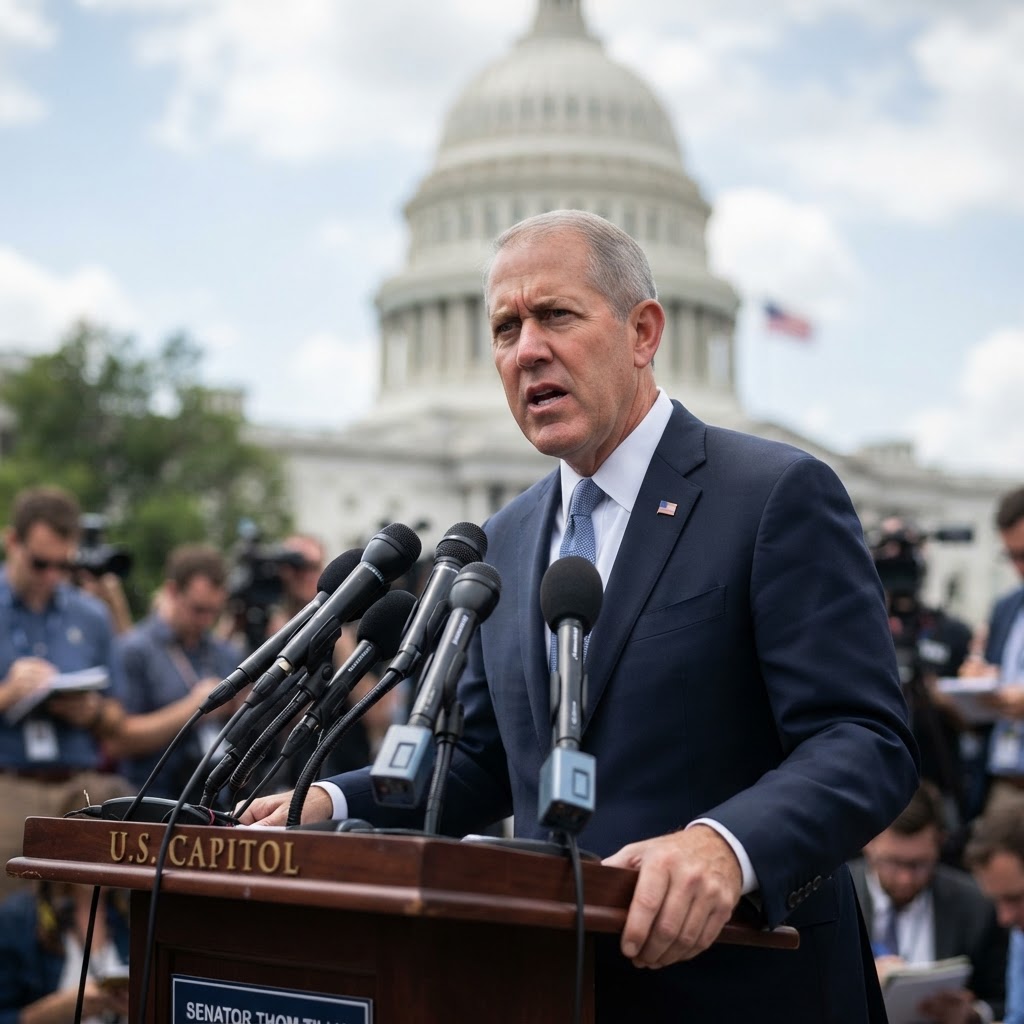
Senator Tillis Criticizes Trump’s Russia Policy, Claims Putin Is Manipulating Him
57 minutes 48 seconds ago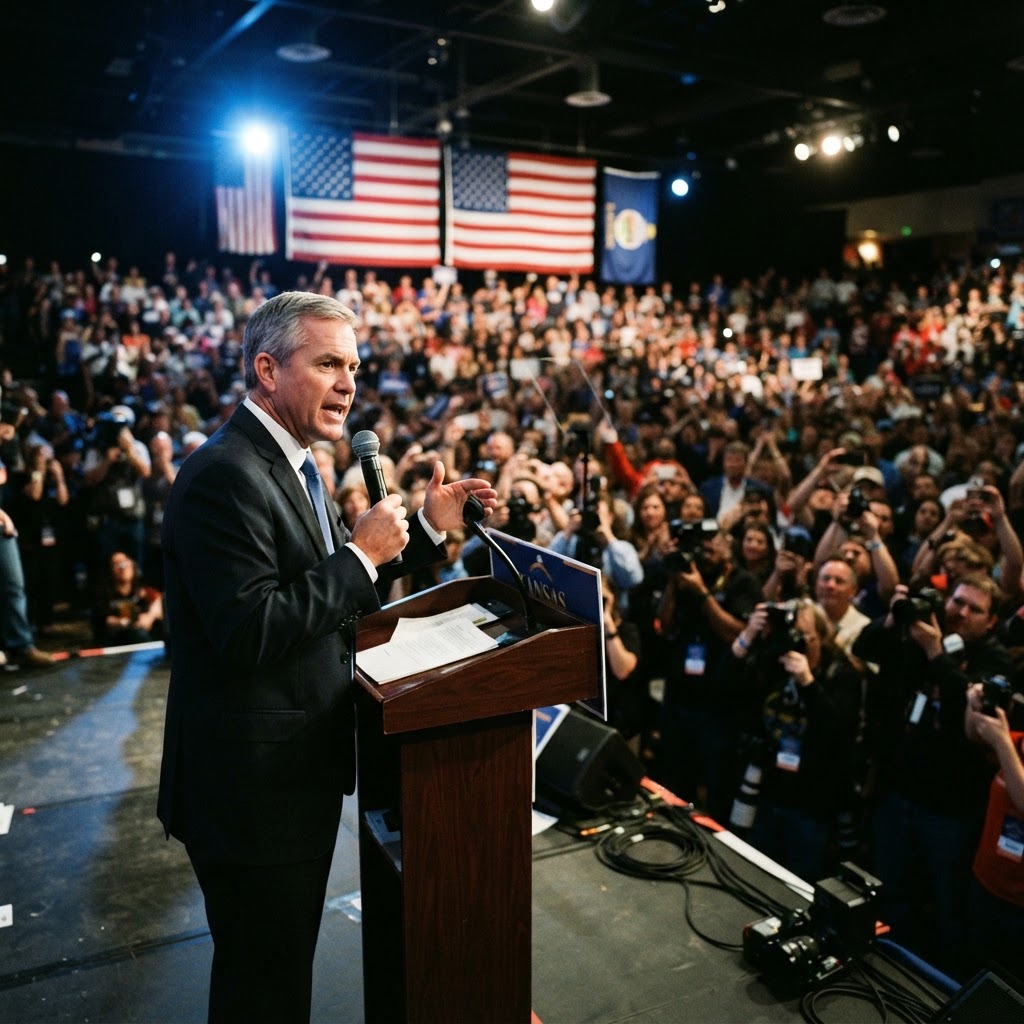
Trump Faces Backlash for Using Antisemitic Slur During Kansas Rally
57 minutes 57 seconds ago
Putin’s Strategic Gains: Normalizing U.S. Ties Without Compromise
4 hours 58 minutes agoDiscussion (0)
No comments yet. Be the first to join the discussion.