U.S. Proposes New Tariffs on 14 Trading Partners to Combat Excess Capacity
The Trump administration targets China, the EU, and others with new duties to address concerns over subsidized manufacturing.
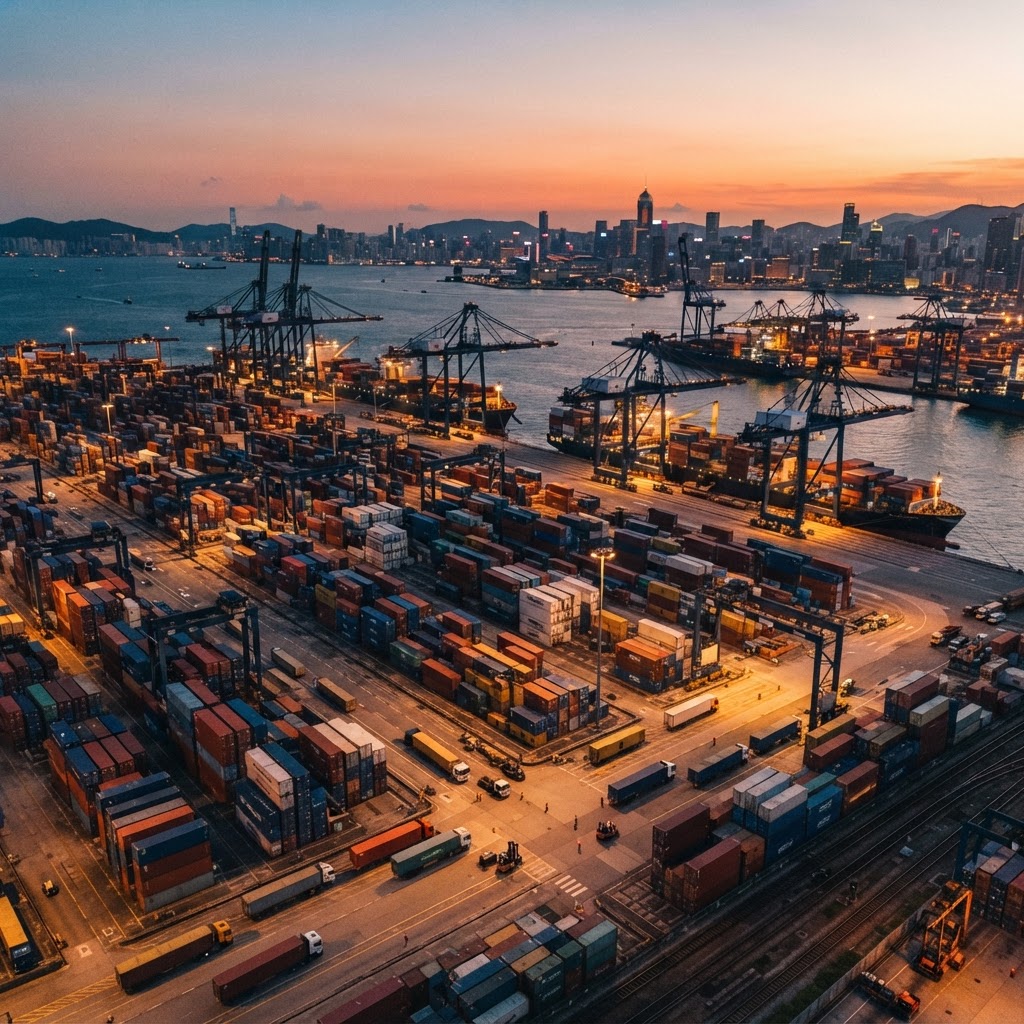
The Trump administration has unveiled plans to impose a new wave of tariffs on 14 major trading partners, including China and the European Union. This move follows an eight-month investigation conducted by the Office of the U.S. Trade Representative under Section 301 of the Trade Act of 1974. Officials stated that the primary objective is to counter structural excess capacity, where foreign government subsidies artificially inflate factory output, thereby undercutting American manufacturers.
China faces the most significant impact under the new proposal, with an additional 20% tariff on most goods. When combined with existing duties from the president's first term, the total tariff rate on certain Chinese imports could reach approximately 45%. Administration officials noted that this 20% rate is designed to remain within the limits of the current trade truce with Beijing, which is set to expire on January 10. However, they warned that this figure could climb to 40% if trade negotiations falter.
Beyond China, the proposed duties target a diverse group of economies, including Japan, South Korea, Taiwan, India, and several Southeast Asian nations. While the specific rates vary by country and product, officials indicated that these measures are intended to align with previous trade agreements. Brazil was also singled out for specific action, with the U.S. proposing higher taxes on sugar imports and a new 10% levy on aircraft, a move expected to impact the Brazilian manufacturer Embraer.
These proposed tariffs are not immediate. The administration plans to hold public hearings and a comment period, meaning the new duties are unlikely to take effect before January. Officials clarified that these new measures will not be stacked on top of existing tariffs related to forced-labor investigations or previous duties on steel, aluminum, and automobiles.
This policy shift comes as the administration seeks to replace revenue lost after the Supreme Court invalidated earlier tariff measures earlier this year. While the White House maintains that these actions are necessary to ensure fair competition, the announcement has already triggered volatility in global markets. As the administration prepares for upcoming international summits, the proposal highlights a continued commitment to aggressive trade policies despite domestic political challenges.
RELATED DISPATCHES

Discussion (0)
No comments yet. Be the first to join the discussion.