U.S. and Israel Prepare for Potential Post-Election Strikes on Iran
Military officials are finalizing plans for renewed operations against Iranian targets following the upcoming U.S. midterm elections.
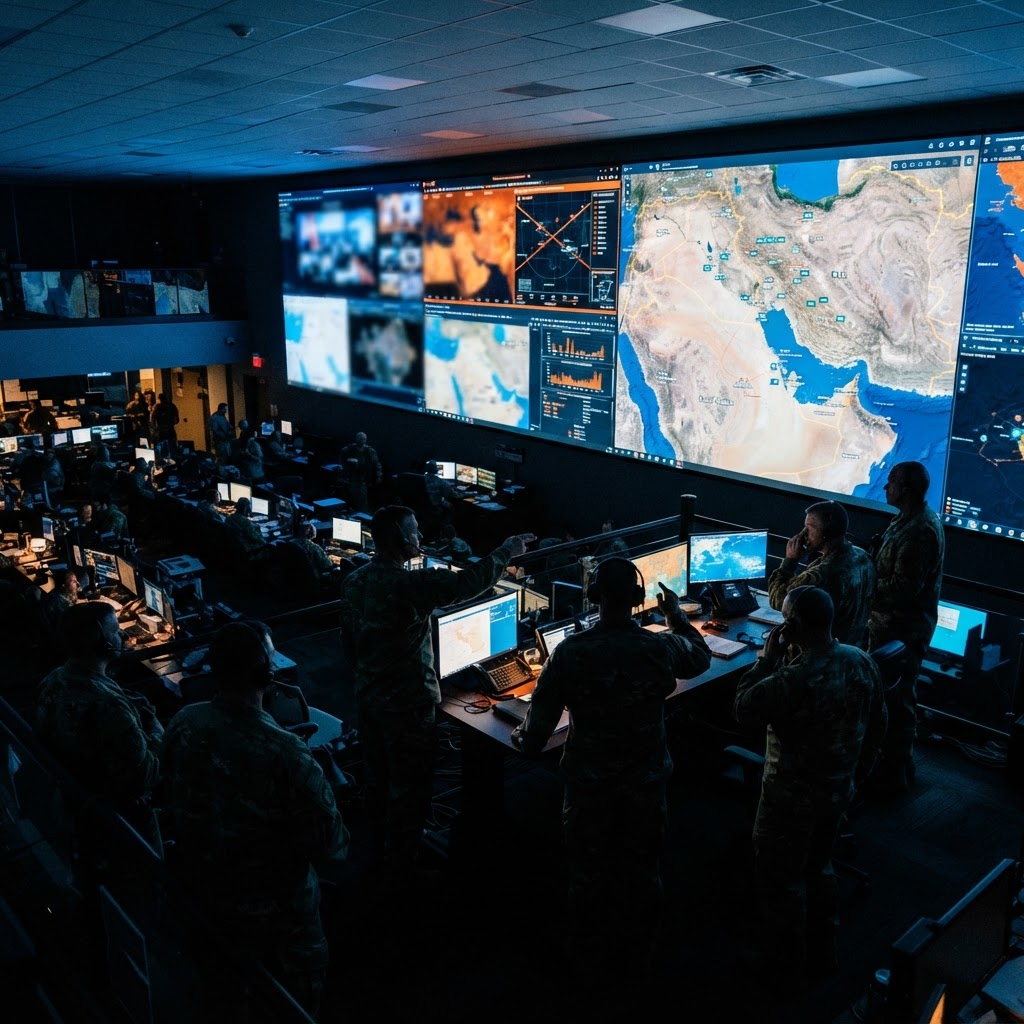
As the November 3 U.S. midterm elections approach, American and Israeli military planners have reportedly developed strategies for a new phase of strikes against Iran. While the current conflict remains in a state of relative stagnation, officials from both nations are actively coordinating to prepare for a potential escalation once the electoral period concludes. Sources indicate that these deliberations involve a range of tactical options aimed at exerting significant pressure on the Iranian state.
President Donald Trump has publicly stated that no military action will be taken against Iran prior to the midterms, a move analysts suggest is intended to avoid market volatility and political instability during the final stretch of the campaign. Despite this, the administration has maintained a firm stance, with the President hinting that significant developments regarding Iran could occur shortly after the voting concludes. The joint military planning reflects a shared objective between Washington and Jerusalem to address perceived threats from Tehran.
Reports suggest that the proposed operations would be short but intensive, focusing on critical components of Iran's infrastructure. Potential targets under consideration include petrochemical facilities and key elements of the nation's oil industry, which are vital to the Iranian economy. Furthermore, military planners have reportedly included Iranian nuclear sites in their strategic assessments, though officials have emphasized that there are currently no intentions to strike civilian power infrastructure.
To ensure readiness, both U.S. and Israeli forces have increased the frequency of military exercises, including flight maneuvers over Iraq to simulate strike operations. While these plans have been drawn up, they have not yet received final authorization from the White House. Experts warn that even a limited, targeted campaign carries the inherent risk of triggering a prolonged regional conflict, potentially destabilizing the Middle East further as Iran continues to hold firm on its own geopolitical demands.
RELATED DISPATCHES
Discussion (0)
No comments yet. Be the first to join the discussion.