Trump Pursues Global Stage Presence Amid Domestic Political Challenges
President Trump’s trilateral summit with Xi and Putin highlights a strategy of personalized diplomacy despite waning influence at home.
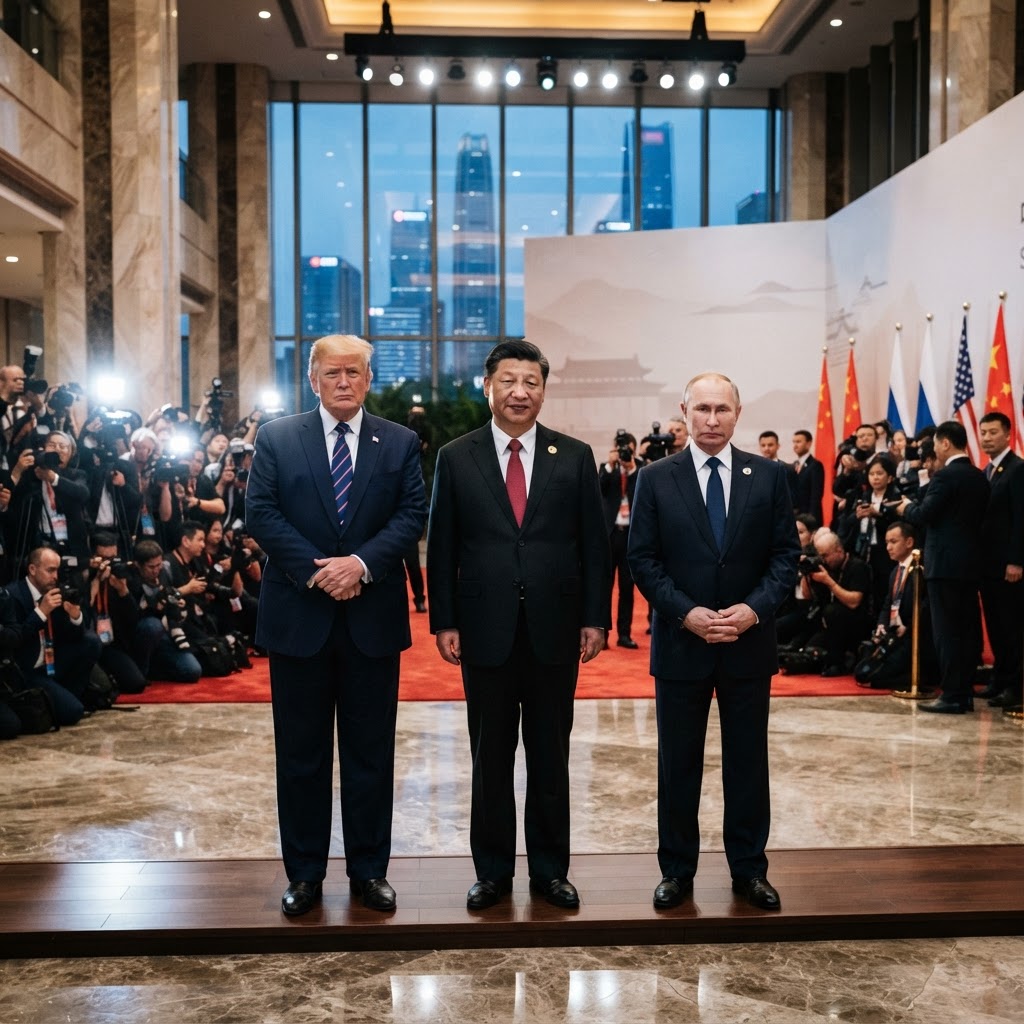
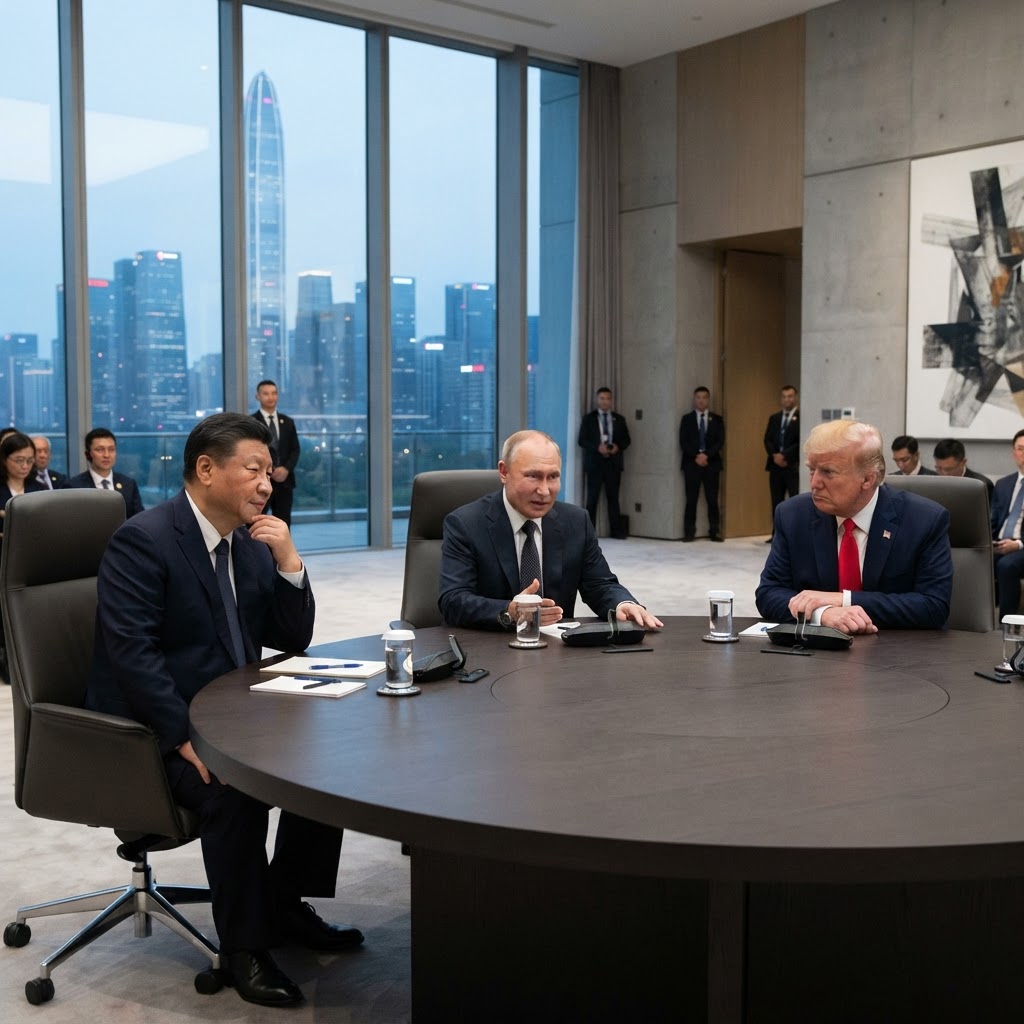
President Donald Trump recently concluded an unprecedented three-way summit in Shenzhen, China, meeting with Chinese President Xi Jinping and Russian President Vladimir Putin. The trip, which occurred shortly after the Republican Party’s significant losses in the midterm elections, appeared to be a calculated effort by the President to reassert his authority on the international stage. By engaging directly with his counterparts, Trump sought to leverage his signature style of personal diplomacy to project strength during a period of political vulnerability within the United States.
While the White House characterized the meetings as a success, the summit yielded few tangible policy breakthroughs. The leaders issued a symbolic "Declaration toward Peace" that addressed broad topics such as nuclear risk reduction and United Nations reform, yet the document notably omitted substantive progress on pressing geopolitical conflicts, including the ongoing wars in Ukraine and Iran. Critics have argued that the event functioned primarily as a theatrical display of camaraderie rather than a strategic negotiation, with little evidence that the administration secured commitments to advance American national security interests.
Analysts observed that the optics of the summit may have inadvertently benefited Washington’s primary rivals. By positioning himself alongside Xi and Putin, President Trump provided a platform for Beijing to project an image of global leadership, with Xi occupying a central role in the proceedings. Observers noted that the focus on pageantry and personal rapport—which Trump described as a "friendship"—often overshadowed the complex and competitive nature of the relationships between the three superpowers.
Back in the United States, the President’s focus on international optics drew sharp criticism from political opponents and national security experts. Many argued that the administration lacked a clear, coherent strategy for the summit, leaving the U.S. to appear reactive rather than proactive. As the President returns to Washington, he faces the challenge of reconciling his optimistic portrayal of the summit with a domestic landscape increasingly skeptical of his foreign policy direction and concerned about the lack of concrete results from his high-profile engagements.
RELATED DISPATCHES


Discussion (0)
No comments yet. Be the first to join the discussion.