Trump Proposes Penalties for Overseas Data Center Construction
President Trump warns of heavy taxes on U.S. tech firms that move AI infrastructure projects abroad.
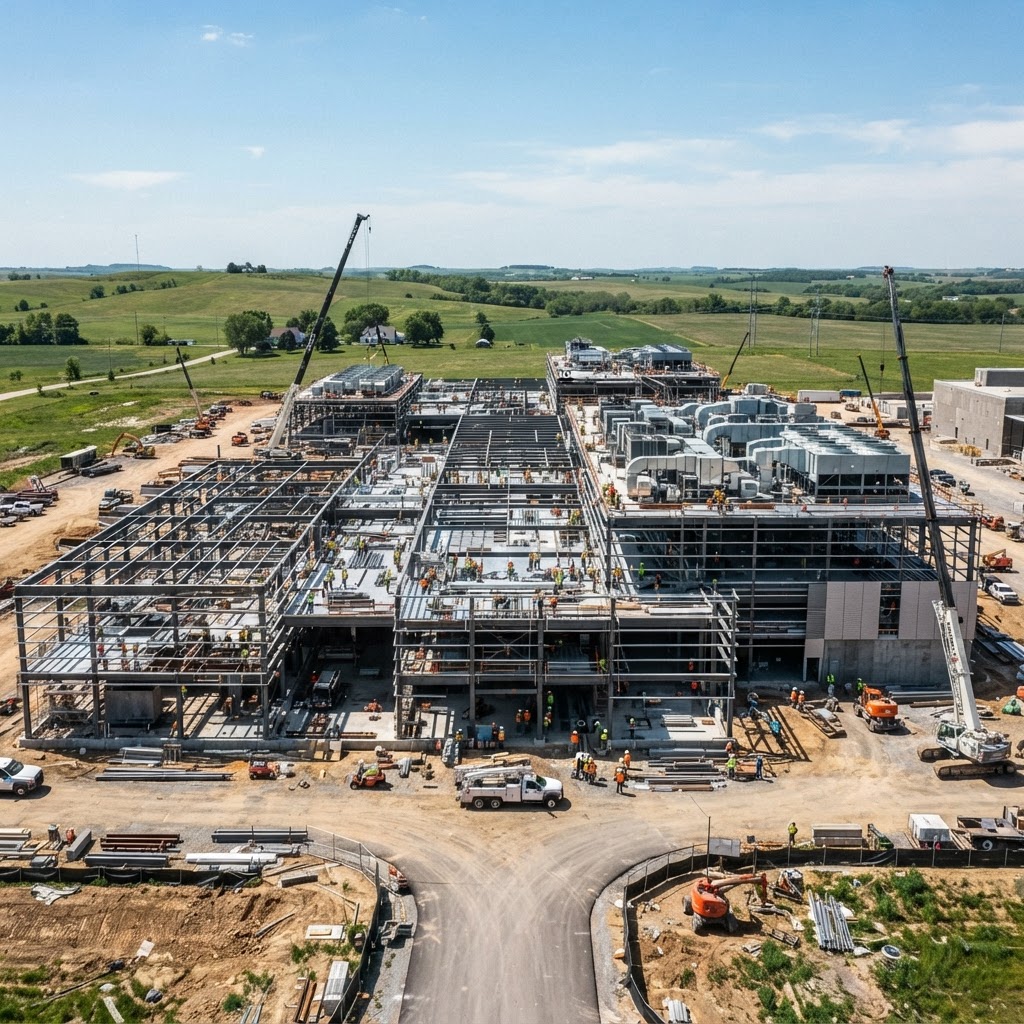
President Donald Trump has announced a potential shift in national technology policy, declaring that he intends to prevent American companies from constructing data centers in foreign countries. During a recent press briefing, the President suggested that firms opting to build these critical AI infrastructure facilities outside of the United States would face a "tremendous tax" or significant financial penalties. He emphasized that the administration aims to keep these assets within domestic borders to ensure the U.S. maintains a competitive edge in artificial intelligence development.
The President’s remarks appeared to be an impromptu policy announcement, as he noted that he had not yet discussed the specific details with his cabinet or advisory team. By framing the move as a strategic necessity, Trump argued that allowing tech giants to expand their infrastructure overseas could result in other nations, specifically China, gaining an advantage in the global race for "super intelligence." He explicitly stated that the government would no longer permit the outsourcing of these vital technological hubs.
This stance comes at a time when major technology corporations, including Google and Meta, have been actively pursuing international expansion for their data centers. Companies often look abroad to secure reliable energy sources, find available land, or navigate around local regulatory hurdles and community opposition that have become increasingly common in the United States. For instance, recent projects in Finland and Canada have highlighted the industry's trend of seeking alternative locations to meet the massive power and space demands of modern AI models.
While the President expressed a strong desire to keep these projects on American soil, the proposal faces significant uncertainty regarding its implementation and enforcement. Domestically, the construction of data centers has become a contentious issue, with some communities raising concerns over energy consumption and environmental impact. Despite this local pushback, the President suggested that there are many regions within the U.S. that would welcome the investment and economic benefits associated with these large-scale facilities.
As of now, it remains unclear how the administration would legally codify such a ban or apply these proposed taxes to multinational corporations. The announcement follows a broader series of recent government actions aimed at restricting the export of advanced computer chips and monitoring the global flow of computing power. Industry observers are now waiting to see if this rhetoric will translate into formal executive action or legislative proposals in the coming months.
RELATED DISPATCHES


Discussion (0)
No comments yet. Be the first to join the discussion.