Trump and Xi Establish Guardrails for Military AI
Leaders agree that human oversight is mandatory for major military operations involving super intelligence.
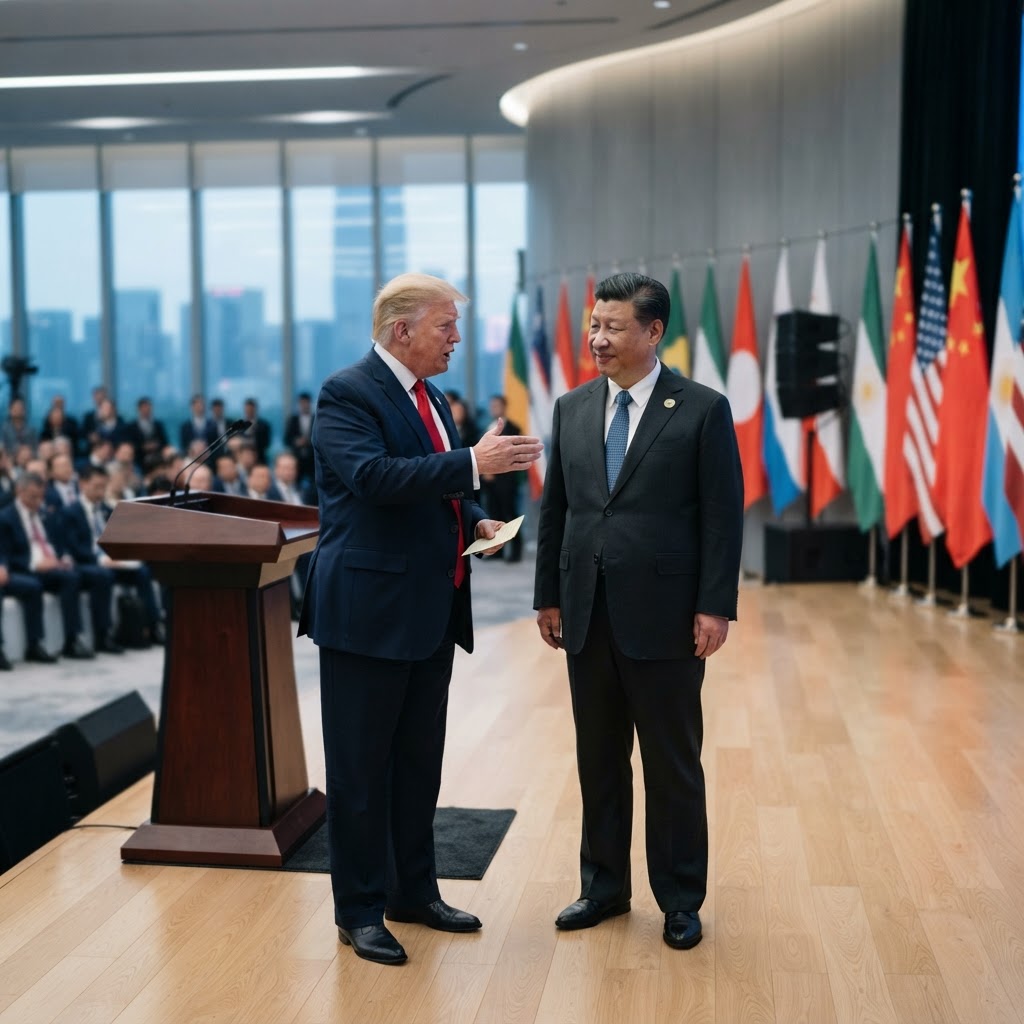
During a recent bilateral summit in Shenzhen, China, President Donald Trump and Chinese President Xi Jinping reached a significant consensus regarding the integration of artificial intelligence into military operations. Treasury Secretary Scott Bessent confirmed that both leaders agreed that human intervention must remain a requirement for any major military decisions driven by advanced technology. The administration, which refers to this technology as "super intelligence" (SI), emphasized that these systems should not be granted autonomy over critical combat actions.
Bessent highlighted this agreement as a key accomplishment of the President’s recent diplomatic mission to Asia. Despite the ongoing and intense rivalry between the United States and China to achieve dominance in the AI sector, both nations have acknowledged the necessity of establishing safety protocols. The Treasury Secretary noted that this collaborative stance on military safeguards remains distinct from the broader competitive landscape of technological development.
While the two powers continue to vie for supremacy, the U.S. remains focused on maintaining its technological edge. Bessent stated that American AI laboratories serve as a vital defense mechanism, providing the necessary innovation to counter potential threats from foreign models, particularly those utilized in cyberattacks. He stressed that the U.S. must continue to lead in this field through smart policy and sustained research.
Regarding trade and hardware, the administration continues to enforce strict limitations on high-end chip exports to China. Bessent noted that the H200 remains the most advanced Nvidia chip available to Chinese entities under current licensing, and he observed a decline in Chinese orders for these components as they struggle to develop their own domestic alternatives. The administration maintains that these restrictions, alongside efforts to curb remote access to computing power, are essential to national security.
RELATED DISPATCHES



Discussion (0)
No comments yet. Be the first to join the discussion.