Trump Administration Proposes Rollback of Methane Emission Standards
The EPA is moving to scale back federal oversight of methane leaks from oil and gas operations to reduce industry costs.
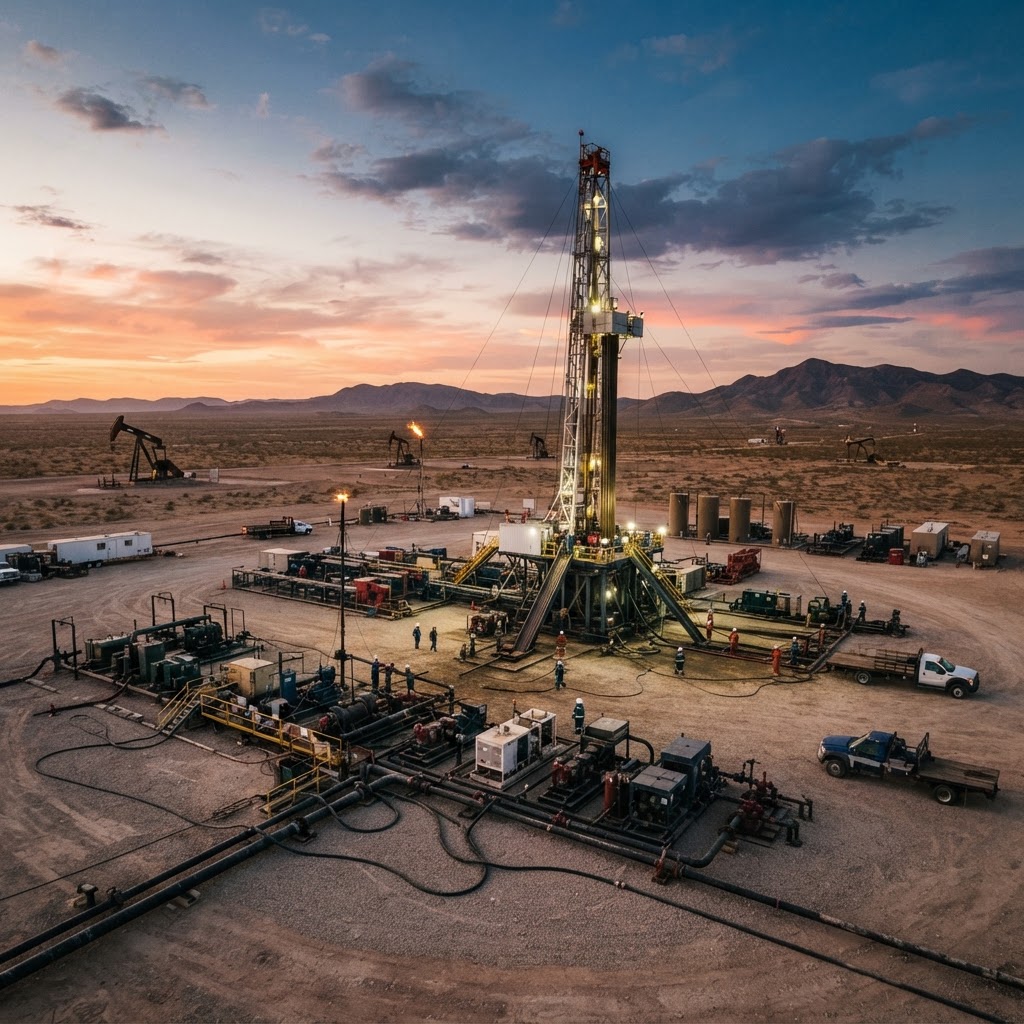
The Trump administration has formally initiated a plan to dismantle federal regulations aimed at curbing methane emissions from the oil and gas sector. President Trump announced the move during a recent campaign event in Texas, characterizing the existing Biden-era mandates as burdensome and unnecessary. By easing these requirements, the administration aims to lower operational costs for energy producers, with officials estimating a potential savings of $45 billion for the industry through 2050.
At the center of this policy shift is the Environmental Protection Agency (EPA), which has released a draft proposal to revise standards that were finalized in 2023. These original rules were designed to mitigate the release of methane, a potent greenhouse gas that is significantly more effective at trapping heat in the atmosphere than carbon dioxide over a short-term horizon. The proposed changes would specifically target the oversight of smaller, low-producing wells and adjust technical requirements for monitoring equipment.
One of the most notable aspects of the proposal is the potential removal of the "Methane Super Emitter Program." This initiative, which was scheduled to take effect in early 2027, would have empowered the government to utilize data from third-party satellite monitoring to identify and address massive, unintentional leaks at energy facilities. Critics of the rollback argue that these leaks represent a significant portion of the industry's total emissions and that the program is a vital tool for environmental accountability.
Industry proponents of the deregulation argue that the current rules create excessive compliance hurdles, particularly for smaller operators. Conversely, environmental advocates contend that the move is counterproductive, noting that capturing methane—which is the primary component of natural gas—could actually provide economic value to companies by preventing the waste of a sellable product. The EPA has scheduled a public comment period and a virtual hearing to gather feedback on the proposed changes before finalizing the new standards.
RELATED DISPATCHES


Discussion (0)
No comments yet. Be the first to join the discussion.