Trump Administration Proposes New Tariffs on 14 Trading Partners
The U.S. government targets foreign industrial overcapacity with new import duties on China, the EU, and other major economies.
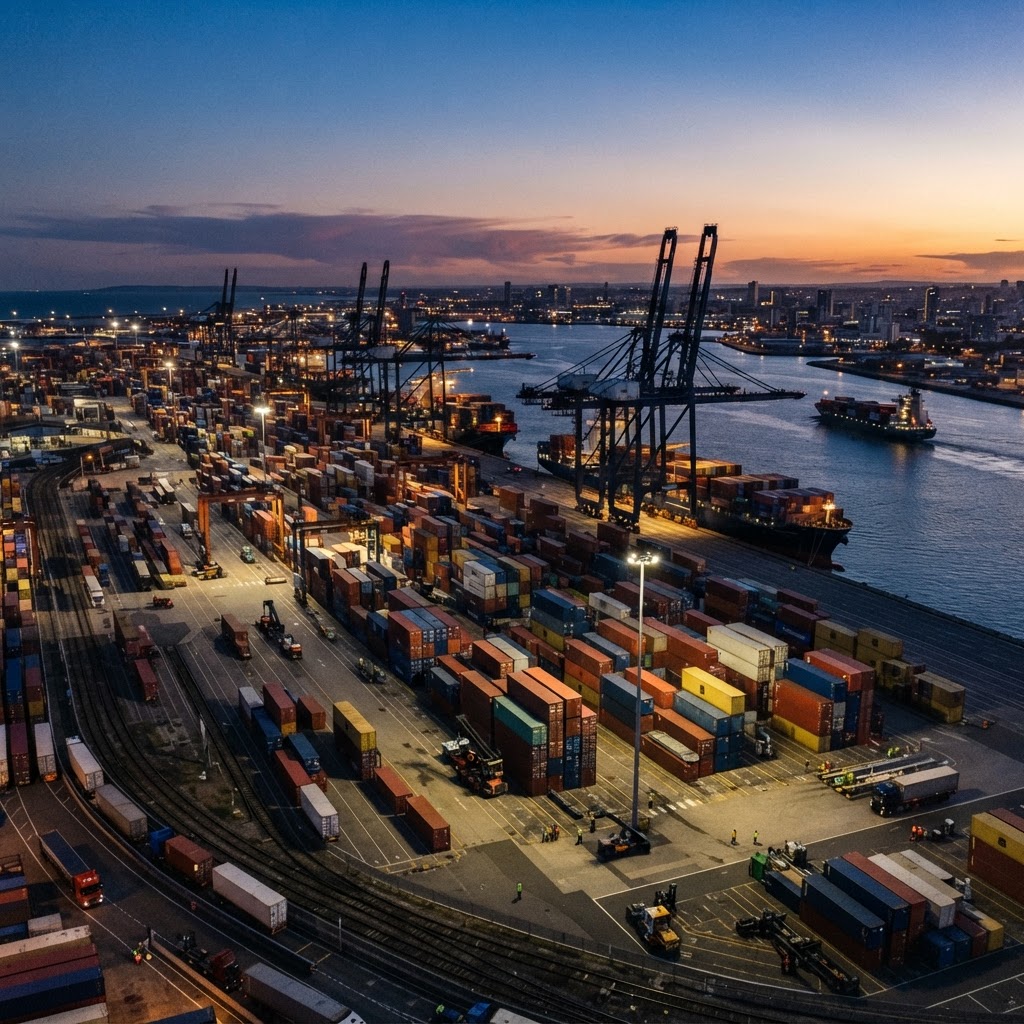
The Trump administration has announced a series of proposed tariffs targeting 14 major trading partners, including China and the European Union. This move follows an eight-month investigation by the Office of the U.S. Trade Representative (USTR) into structural excess capacity in foreign manufacturing. Officials argue that these nations have engaged in unfair trade practices by subsidizing factory output, which they claim undercuts American businesses and contributes to a significant trade deficit.
Under the proposal, China faces the most substantial impact, with potential tariffs reaching up to 20% on various goods. The administration has indicated that this rate could climb to 40% if ongoing negotiations regarding a bilateral trade truce fail to meet U.S. expectations. Other nations included in the plan are Japan, South Korea, Taiwan, India, Malaysia, and several others. Notably, Mexico and Norway were excluded from this specific round of proposed duties while their respective investigations remain ongoing.
These new measures are being pursued under Section 301 of the Trade Act of 1974, which allows the U.S. to respond to discriminatory foreign trade practices. The administration stated that the duties are designed to be targeted rather than blanket levies, with many rates remaining within the ceilings established by previous trade agreements. For instance, the U.S. plans to respect a 15% tariff cap previously negotiated with the EU, Japan, South Korea, and Taiwan.
Beyond the broader overcapacity initiative, the U.S. is also moving to adjust trade terms with Brazil. The USTR has proposed a 10% tariff on finished Brazilian aircraft and increased duties on specific sugar imports, citing a lack of progress in bilateral talks. These actions are intended to replace revenue lost earlier this year after the Supreme Court invalidated previous emergency tariff measures.
International reactions have been swift, with the European Commission noting the findings while rejecting the premise that Europe is responsible for structural overcapacity. Similarly, Chinese officials have criticized the move, warning that trade wars serve no party's interests. The proposed tariffs are now subject to a public comment period, with hearings expected to commence in early 2027 before any final implementation.
RELATED DISPATCHES
Discussion (0)
No comments yet. Be the first to join the discussion.