Trump Administration Proposes New Tariffs on 14 Economies Over Manufacturing Overcapacity
The USTR has initiated Section 301 investigations, targeting foreign industrial subsidies that officials claim harm U.S. commerce.
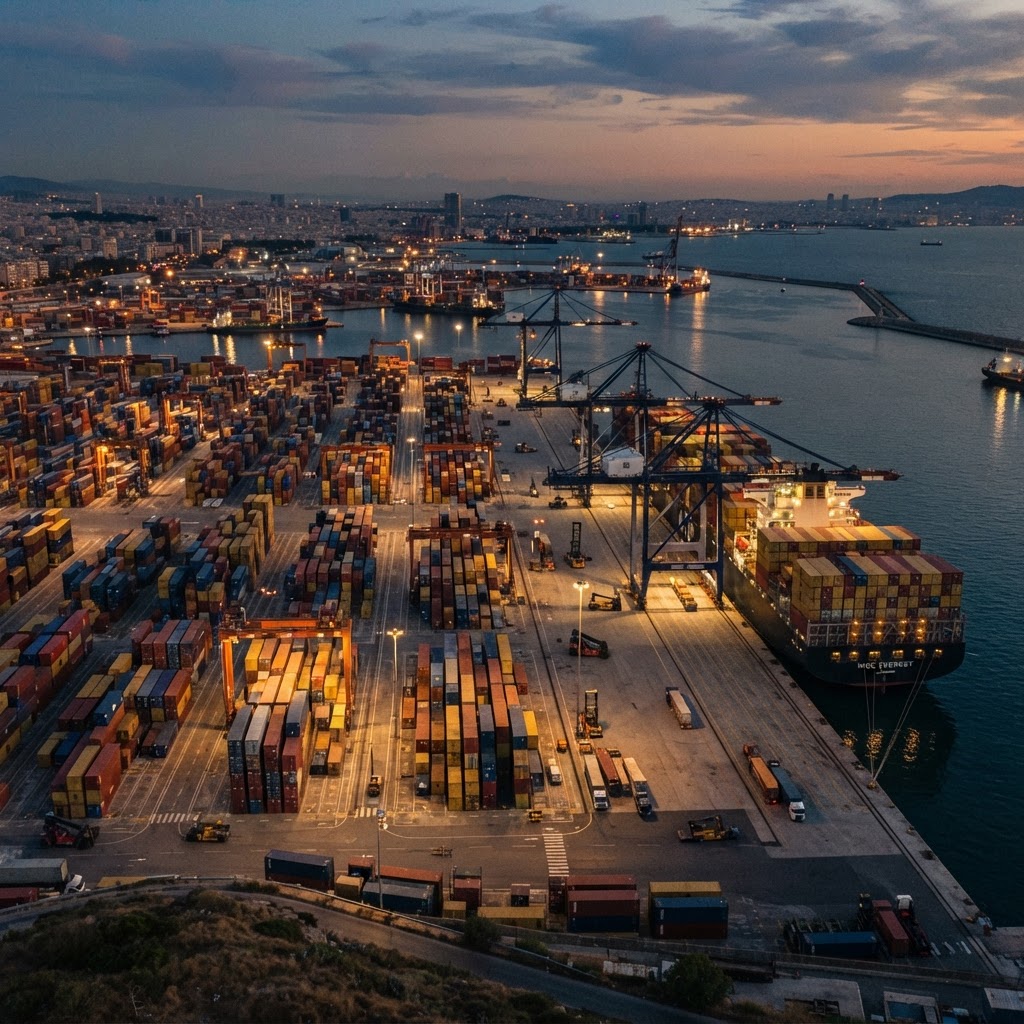
The Trump administration has officially unveiled a series of proposed tariffs targeting 14 major trading partners, including China and the European Union. This move follows an extensive eight-month investigation conducted by the Office of the United States Trade Representative (USTR) under Section 301 of the Trade Act of 1974. The administration asserts that these nations have engaged in unfair trade practices by fostering structural excess capacity in manufacturing, which officials argue has suppressed wages and eroded the American industrial base.
According to U.S. Trade Representative Jamieson Greer, the targeted economies—which also include Japan, South Korea, India, and Vietnam—have utilized government subsidies and non-market interventions to gain an artificial advantage in global trade. The USTR report highlights that these policies have led to lost production, diminished investment, and increased economic security risks for the United States, particularly in sectors such as shipbuilding, textiles, and information technology.
Under the new proposal, tariff rates vary by country, with China facing the most significant potential levies. While the administration has proposed an initial 20% tariff on Chinese goods, officials have signaled that this could escalate to 40% if Beijing fails to adhere to existing trade agreements. Other nations, including the European Union, Japan, and Taiwan, face proposed duties capped at 15% to 20%, depending on specific bilateral commitments and negotiated ceilings.
These measures are designed to replace previous tariff actions that were invalidated by the Supreme Court earlier this year. Administration officials emphasized that these are not blanket tariffs but are targeted, country-specific duties intended to address unique trade distortions. For the time being, Mexico and Norway have been excluded from the current round of proposed actions.
The USTR has opened a formal public comment period, with hearings scheduled to begin in late January 2027. This process allows domestic manufacturers, importers, and foreign stakeholders to provide testimony before a final determination is reached. As the administration seeks to reshape global trade relationships, the proposal serves as a central pillar of its broader strategy to prioritize domestic manufacturing competitiveness and address what it characterizes as unreasonable foreign trade barriers.
RELATED DISPATCHES


Discussion (0)
No comments yet. Be the first to join the discussion.