Trump Administration Increases Involvement in Midterm Election Processes
Federal legal actions in Alaska and California signal a shift in the Justice Department's approach to election oversight.
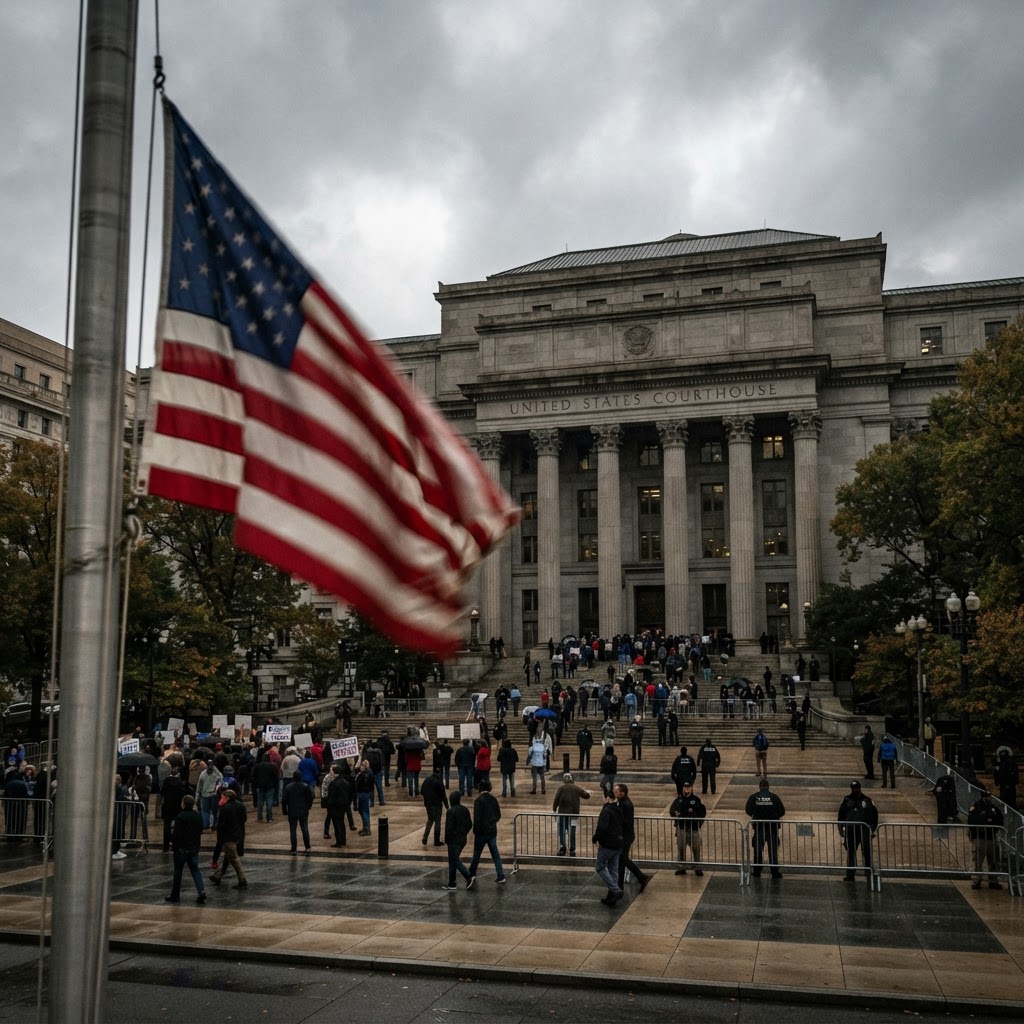
As the 2026 midterm elections approach, the Trump administration has taken an unprecedented role in challenging state-level election procedures. By initiating federal lawsuits and investigations in key battleground areas, the administration is moving away from the traditional, cautious approach typically maintained by the Department of Justice to avoid the appearance of political bias. Critics and legal experts suggest this strategy could heighten public uncertainty regarding the integrity of the vote.
In Alaska, federal prosecutors have launched a criminal investigation into the Senate race, focusing on allegations that a challenger with a name similar to the Republican incumbent was recruited as a 'spoiler' candidate. While the incumbent senator has pledged to accept the election results, the administration’s decision to press a criminal probe has added significant tension to the contest. A federal judge recently dismissed a separate Justice Department lawsuit that sought to block the certification of results in the state.
Simultaneously, the administration has faced pushback in California regarding its efforts to scrutinize voter rolls. Federal officials had demanded that local authorities segregate ballots cast by individuals flagged as potential noncitizens. However, a federal judge recently ordered the administration to halt these demands, and court filings have indicated that a significant portion of the names on the government's list may be based on flawed data.
These interventions represent a significant departure from historical norms, where the Justice Department generally limited its election-related activities to protecting civil rights and ensuring access to the ballot. By shifting the focus toward aggressive litigation and investigations, the administration is testing the boundaries of federal authority over state-run election administration. As the final votes are cast, the impact of these legal maneuvers on public confidence and the final tally remains a central point of contention.
RELATED DISPATCHES



Discussion (0)
No comments yet. Be the first to join the discussion.