Transparency Concerns Mount as India Air Quality Data Goes Dark During Diwali
Major monitoring stations in Delhi ceased reporting pollution metrics during the peak of Diwali festivities, sparking criticism over data accessibility.
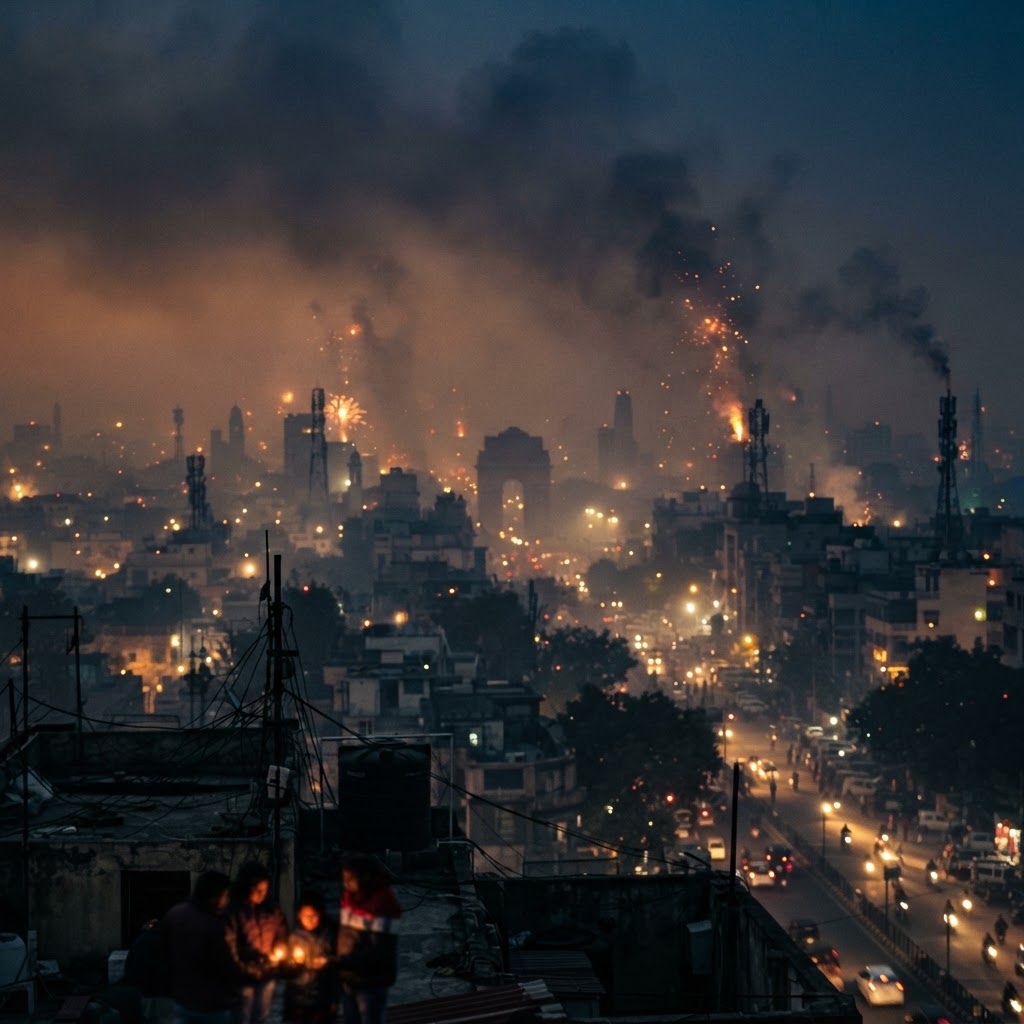
As the festive season reached its height, residents and environmental observers in Delhi faced a familiar frustration: the sudden disappearance of real-time air quality data. Major monitoring stations across the capital stopped transmitting live updates on Diwali evening, a recurring trend that has drawn sharp criticism from the public. While authorities often attribute these gaps to technical glitches, critics argue that the timing of these outages—coinciding with the period when pollution levels typically spike—suggests a lack of transparency in environmental reporting.
This lack of data comes at a time when the city is already grappling with severe atmospheric conditions. Prior to the festival, air quality readings in Delhi had reached alarming levels, nearing the 400 mark on the Air Quality Index (AQI). In response to the deteriorating air quality, officials had previously mandated that schools transition to online classes and considered work-from-home arrangements to mitigate the health risks posed by the toxic smog.
The recurring nature of these data blackouts has fueled a debate regarding the accountability of government agencies. Observers note that regardless of the political party in power, the public is frequently left in the dark during the most critical hours of the year for pollution monitoring. This pattern of silence undermines the effectiveness of the Graded Response Action Plan, which relies on accurate, timely data to trigger necessary emergency measures.
Beyond the immediate concerns of air quality, the incident highlights broader challenges in India's digital infrastructure and public service transparency. As the nation continues to push for technological advancements, including significant investments in energy storage projects and digital governance, the inability to maintain consistent environmental monitoring remains a point of contention. For many citizens, the missing data is not just a technical failure, but a missed opportunity to address the urgent health crisis facing the capital.
RELATED DISPATCHES

Discussion (0)
No comments yet. Be the first to join the discussion.