The Gap Between Rhetoric and Reality in Federal Voter Fraud Investigations
Despite high-level claims of widespread noncitizen voting, federal efforts have produced minimal prosecutions and significant evidentiary challenges.
The current administration has prioritized identifying and prosecuting instances of noncitizen voting, with officials asserting that hundreds of thousands of ineligible individuals may be present on voter registration rolls. This initiative, directed by President Donald Trump, involves extensive reviews of federal records by the Department of Homeland Security and subsequent investigations by the Justice Department. Despite these far-reaching efforts, the actual number of criminal cases brought forward remains remarkably small compared to the scale of the claims made by federal authorities.
Legal experts and election officials have noted that the evidence supporting these allegations of mass fraud is thin. In various court proceedings, judges have expressed skepticism regarding the government's data, particularly when lists of alleged noncitizens have been found to include individuals who are, in fact, legal citizens. Critics argue that the administration's reliance on third-party databases to flag potential noncitizens often results in inaccurate or outdated information, complicating the pursuit of legitimate legal action.
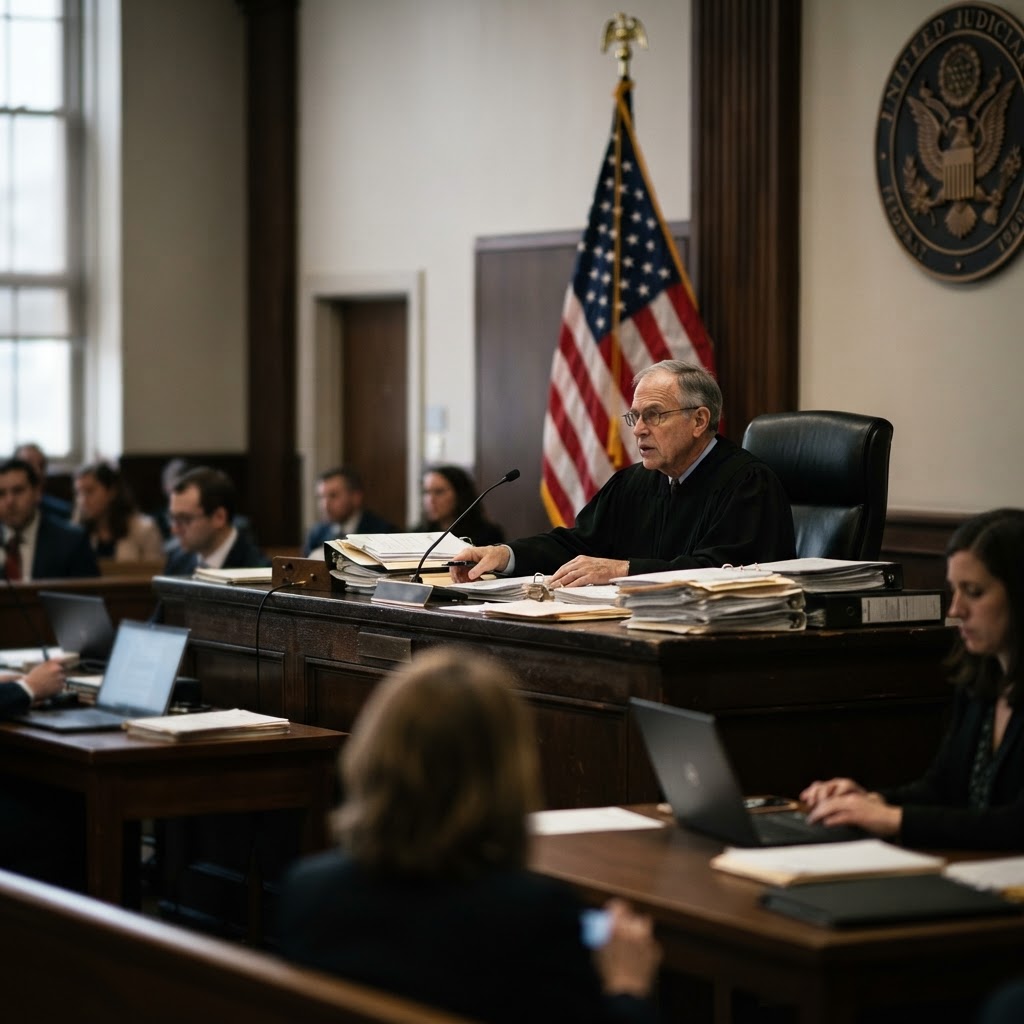
In California, which has become a focal point for these investigations, federal prosecutors have faced pushback from the judiciary. During recent hearings, some judges have questioned why the government is pursuing civil litigation against election officials rather than focusing on individual criminal indictments if they truly believe widespread illegal activity is occurring. Prosecutors have defended their strategy by suggesting that their primary goal is to safeguard the integrity of the election and act as a deterrent, rather than to prosecute every single instance of ineligible registration.
Furthermore, the profile of those who have been charged often contradicts the narrative of a coordinated effort to influence election outcomes. Many of the defendants are legal permanent residents who have resided in the United States for years, and in many instances, they are not even charged with the act of voting itself. As the administration continues to push its agenda, the evidentiary hurdles and the modest results of these investigations highlight the significant divide between the political rhetoric surrounding voter fraud and the reality of the legal findings.
RELATED DISPATCHES

Discussion (0)
No comments yet. Be the first to join the discussion.