The Economic Paradox: Why Prosperity Feels Like a Struggle for Americans
Despite seven years of growth and low unemployment, persistent inflation continues to weigh heavily on the public mood.

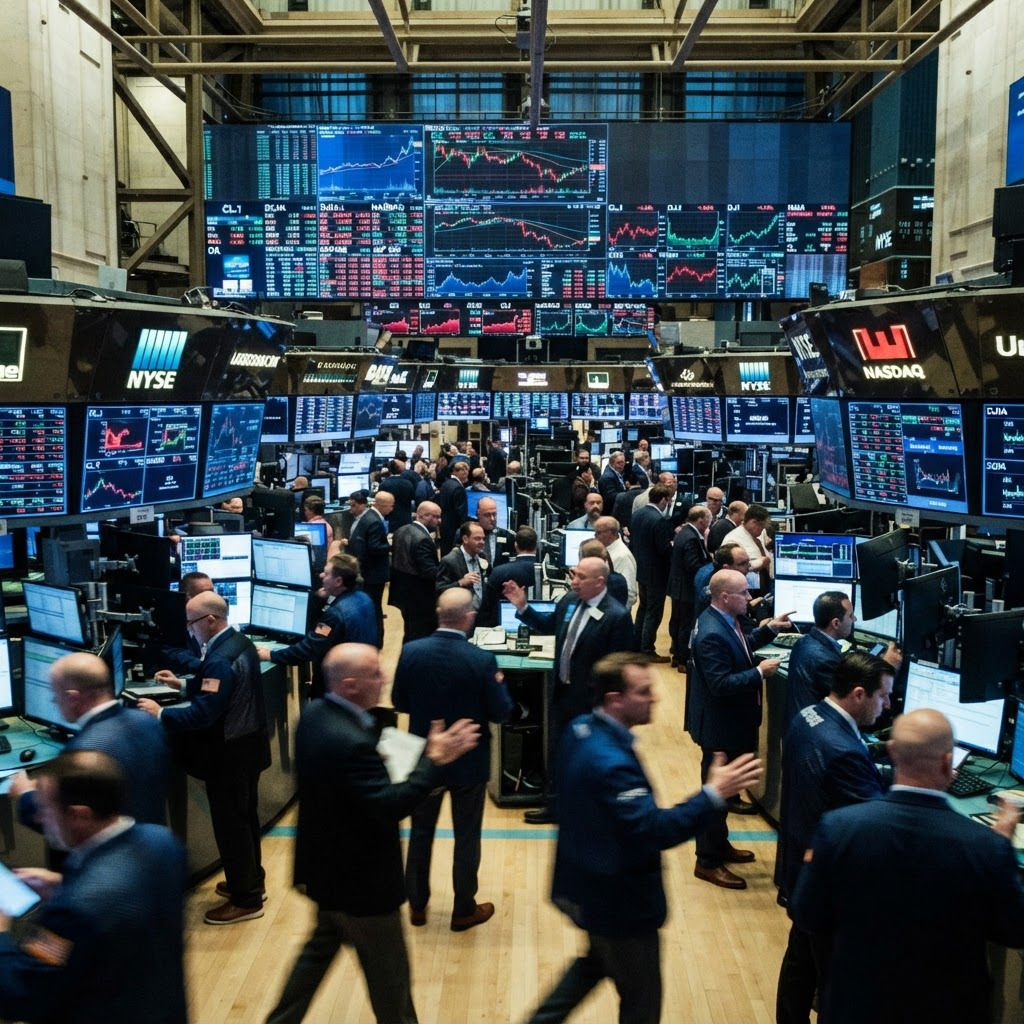
The United States is currently enjoying its seventh consecutive year of economic expansion, with major indicators pointing toward a robust landscape. Unemployment remains near historic lows, and the economy is growing at its fastest pace in over a year. Data on consumer behavior even shows that many households are continuing to spend on discretionary items like travel, dining out, and entertainment, while the stock market frequently flirts with record highs.
However, this statistical strength stands in stark contrast to the lived reality of many citizens. While the macro-level data suggests a thriving nation, a significant portion of the population reports feeling as though the system is fundamentally rigged against them. This disconnect between official reports and personal experience has left many Americans feeling anxious about their financial security and pessimistic regarding their long-term economic prospects.
A primary driver of this frustration is the persistent cost-of-living crisis. Since the end of 2019, consumer prices have surged by approximately 30%, with grocery costs alone rising by 32%. Even as inflation rates fluctuate, the cumulative impact of these price hikes on essential goods—including healthcare and gasoline—has eroded the purchasing power of average households, leaving many feeling as though they are merely scraping by.
Beyond personal finances, political polarization also plays a significant role in shaping economic sentiment. Historically, public perception of the economy is heavily influenced by which political party occupies the White House. When their preferred party is out of power, voters often report higher levels of economic pessimism, regardless of their own financial stability. Nevertheless, recent data from 2026 indicates a broad, cross-partisan slump in sentiment, suggesting that the current dissatisfaction is rooted in deeper, systemic concerns that transcend political affiliation.
Ultimately, the current climate highlights a growing divide between objective economic metrics and subjective well-being. While economists point to low layoff rates and steady job growth as signs of a healthy market, these figures offer little comfort to families struggling to manage the daily reality of higher prices. As long as the burden of inflation remains a central feature of household budgets, the perception of a 'strong' economy is likely to remain at odds with the public's lived experience.
RELATED DISPATCHES


Discussion (0)
No comments yet. Be the first to join the discussion.