The Economic Disconnect: Why Americans Feel Like They Are in a Recession
Despite robust growth and low unemployment, a majority of Americans remain deeply pessimistic about the nation's financial health.
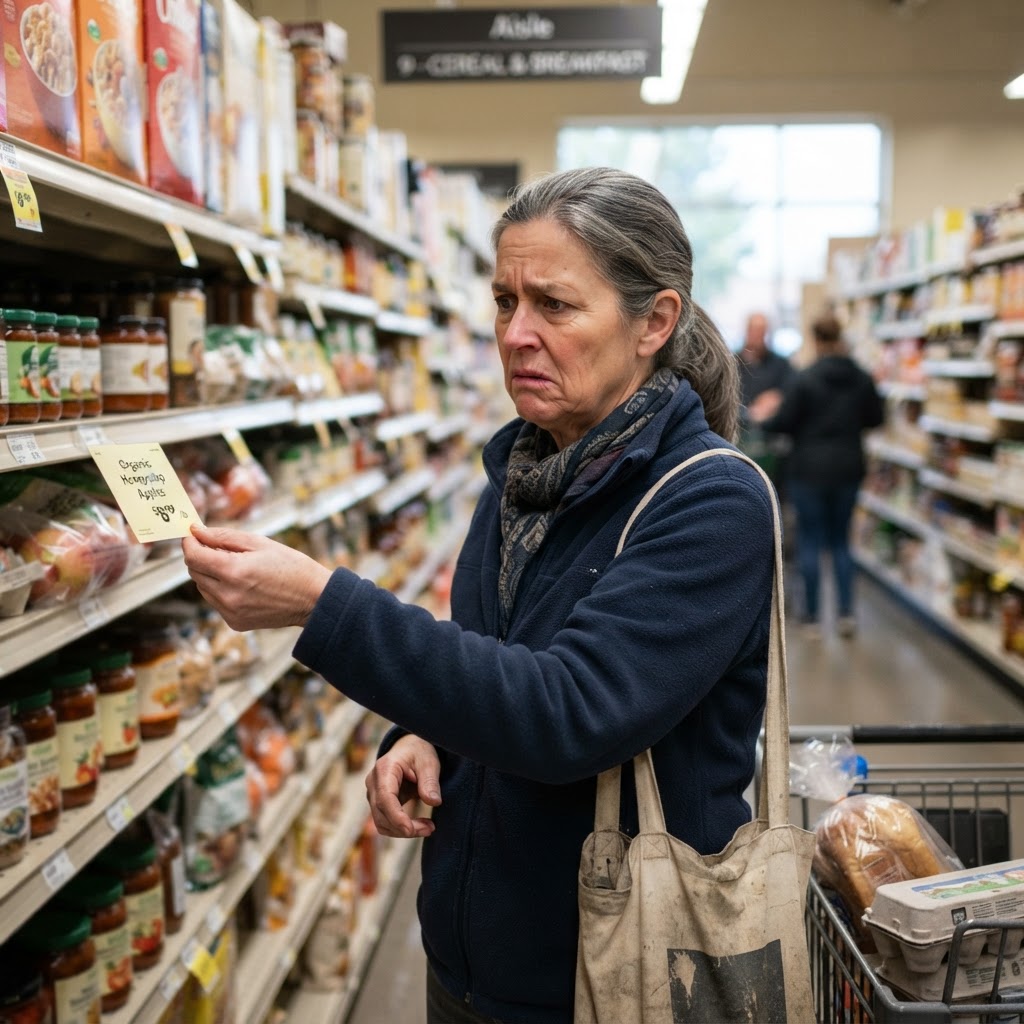
While official economic indicators point toward a period of expansion, a significant portion of the American public remains convinced that the country is currently mired in a recession. Data from the National Bureau of Economic Research, which tracks GDP and economic activity, has not signaled a downturn, yet public sentiment tells a starkly different story. Recent surveys indicate that roughly 61% of U.S. adults believe the nation is already in a recession, highlighting a profound disconnect between macroeconomic data and personal financial reality.
This widespread pessimism is largely driven by the lingering effects of inflation. Although the pace of price increases has slowed compared to the post-pandemic peak, the cumulative impact of rising costs remains a major burden. Since 2019, the cost of essential goods—including groceries, housing, and energy—has surged by approximately 30%. For many households, wage growth has failed to keep pace with these elevated expenses, leaving families feeling as though their purchasing power is steadily eroding.
Beyond the immediate pressure of daily bills, external factors have exacerbated this sense of instability. Geopolitical tensions, particularly the ongoing conflict in Iran, have contributed to volatile energy prices and increased borrowing costs. Furthermore, the rapid integration of artificial intelligence into the workforce has sparked widespread anxiety regarding job security. These concerns are compounded by the high cost of credit, which has made major life milestones like homeownership increasingly unattainable for many.
Economists often refer to this phenomenon as a "vibecession," where the collective mood of the country diverges from the technical health of the economy. While the labor market remains strong and consumer spending on services like travel and entertainment continues, the psychological toll of persistent inflation is difficult to ignore. For the average American, the economy is defined not by GDP growth, but by the affordability of their next grocery trip and the stability of their household budget.
Political affiliation also plays a role in how these economic conditions are perceived, though the current wave of dissatisfaction has transcended party lines. As voters navigate these financial pressures, the gap between the positive figures reported by government agencies and the lived experience of citizens remains a defining feature of the current economic landscape. Until the cost of living stabilizes in a way that provides tangible relief to middle- and low-income families, this sense of economic malaise is likely to persist.
RELATED DISPATCHES


Discussion (0)
No comments yet. Be the first to join the discussion.