The AI-Nuclear Dilemma: China’s Fear of Strategic Vulnerability
Beijing’s military researchers warn that AI-driven advancements could compromise nuclear deterrence and trigger unintended escalation.
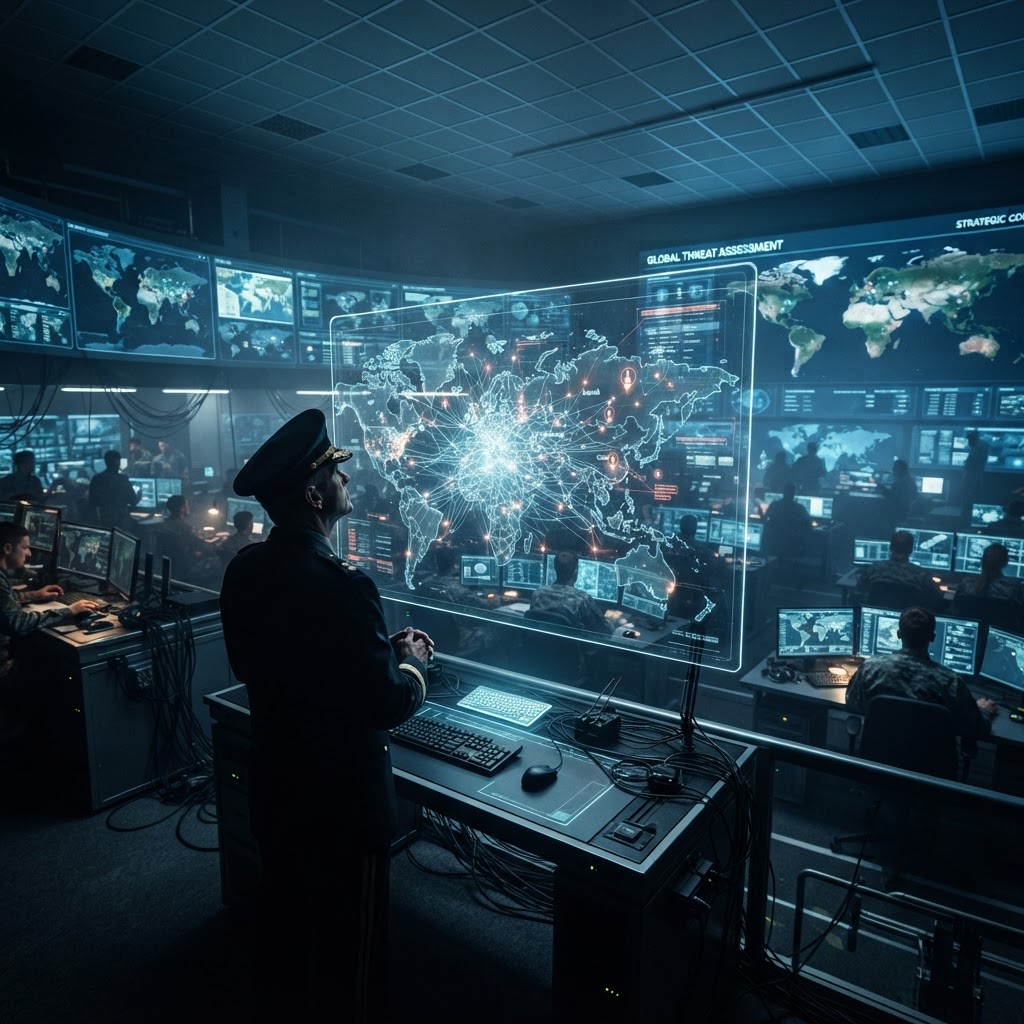
As artificial intelligence becomes increasingly integrated into global military frameworks, Chinese defense analysts are raising alarms over a potential 'nuclear checkmate.' The core concern is that AI-enhanced intelligence, surveillance, and reconnaissance (ISR) systems could grant adversaries the ability to track and neutralize mobile nuclear assets with unprecedented precision. By eroding the survivability of these forces, such technology threatens to undermine the second-strike capability that serves as the bedrock of strategic stability between major powers.
Chinese technical journals have highlighted that while Beijing is pursuing its own AI advancements, there is deep anxiety regarding how these tools might be used against them. Experts fear that AI-driven precision guidance and automated target selection could make their nuclear deterrents more vulnerable to preemptive strikes. This perceived vulnerability creates a dangerous incentive: in a high-stakes crisis, a nation might feel pressured to launch its nuclear weapons prematurely to avoid being rendered defenseless by an AI-enabled adversary.
Beyond the battlefield, the integration of AI into nuclear command, control, and communications (NC3) systems introduces the risk of catastrophic miscalculation. If an autonomous system malfunctions or is compromised, it could trigger a rapid, automated response that leaves leaders with only minutes to determine if they are facing a deliberate attack or a technical error. This compression of decision-making timelines is viewed by security experts as a primary driver of potential nuclear escalation.
To mitigate these risks, U.S. and Chinese security experts are advocating for 'nuclear-style' safeguards and explicit red lines. Proposals include ensuring that humans retain sole authority over the use of nuclear weapons and the initiation of consequential cyberattacks against critical infrastructure. There is a growing consensus on the need for a dedicated military hotline to manage AI-related incidents, allowing rivals to communicate and de-escalate before an automated system triggers an irreversible conflict.
Despite these diplomatic efforts, the path to governance remains complex. While both nations have affirmed the importance of human control over nuclear decisions, they have yet to agree on a comprehensive framework for the broader military use of AI. As the technology continues to evolve, the challenge lies in balancing the pursuit of military modernization with the urgent necessity of preventing a machine-driven path to nuclear catastrophe.
RELATED DISPATCHES



Discussion (0)
No comments yet. Be the first to join the discussion.