Thanksgiving Dinner Costs Rise for First Time Since 2022
New data shows a 6% increase in holiday meal expenses as families prepare for the festive season.
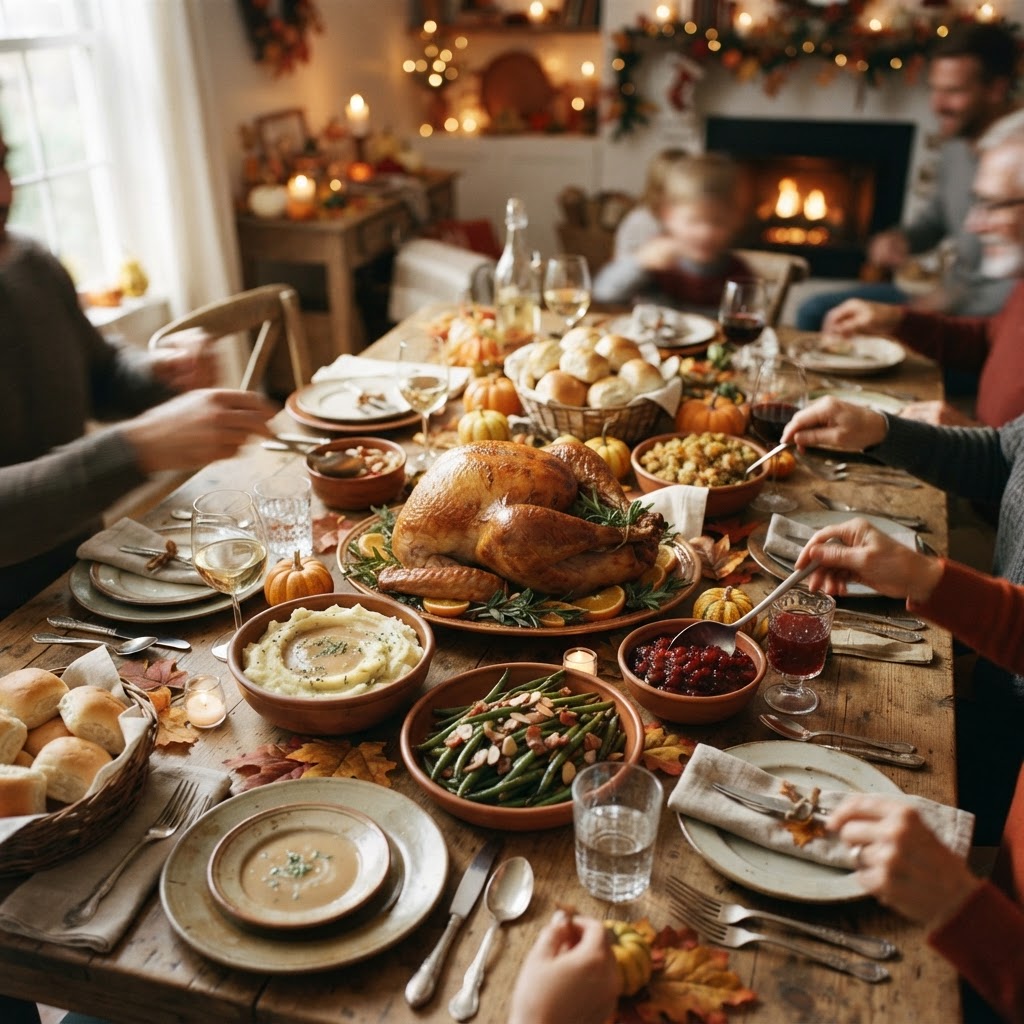
As Americans prepare to gather for the holiday, the cost of hosting a traditional Thanksgiving dinner has climbed for the first time in four years. According to the 41st annual survey conducted by the American Farm Bureau Federation, the average price for a meal serving 10 people is now $58.63. This represents a 6.3% increase compared to 2025, marking a shift after three consecutive years of price declines.
The primary driver behind this year's higher grocery bill is the rising cost of turkey, which saw a 10% jump in price. Other holiday staples, including milk, dinner rolls, cranberries, and various potato varieties, also contributed to the overall uptick. These findings are based on data collected by volunteer shoppers across all 50 states and Puerto Rico, who tracked prices for a standard list of essential holiday ingredients.
Industry experts point to several factors influencing these price hikes, including elevated expenses for fuel, labor, and transportation throughout the food supply chain. Farmers and ranchers are also facing significant financial pressure due to the rising costs of essential inputs like fertilizer and electricity. Despite these retail increases, agricultural advocates emphasize that higher grocery prices do not necessarily equate to increased profits for producers, as farmers often receive only a small fraction of the total food dollar.
Regional variations in pricing remain a notable trend this year. The Northeast currently reports the highest average cost for a holiday meal at $61.57, while the South remains the most affordable region, with an average of $54.33. Despite the year-over-year increase, the current national average remains roughly 8% lower than the record-high costs observed in 2022.
To manage these expenses, many households are turning to strategic shopping habits. Consumers are increasingly utilizing coupons, comparing store-specific deals, and spreading out their grocery purchases over several weeks to mitigate the impact of the price surge. While some items like vegetable trays and frozen pie crusts have seen slight price decreases, the overall trend reflects a more expensive holiday season for many families.
RELATED DISPATCHES


Discussion (0)
No comments yet. Be the first to join the discussion.