Tehran Interprets U.S. Midterm Results as Public Rejection of Conflict
Iranian leadership views the Democratic victory as a mandate against current U.S. military policies, though Supreme Leader Khamenei remains skeptical of long-term policy shifts.
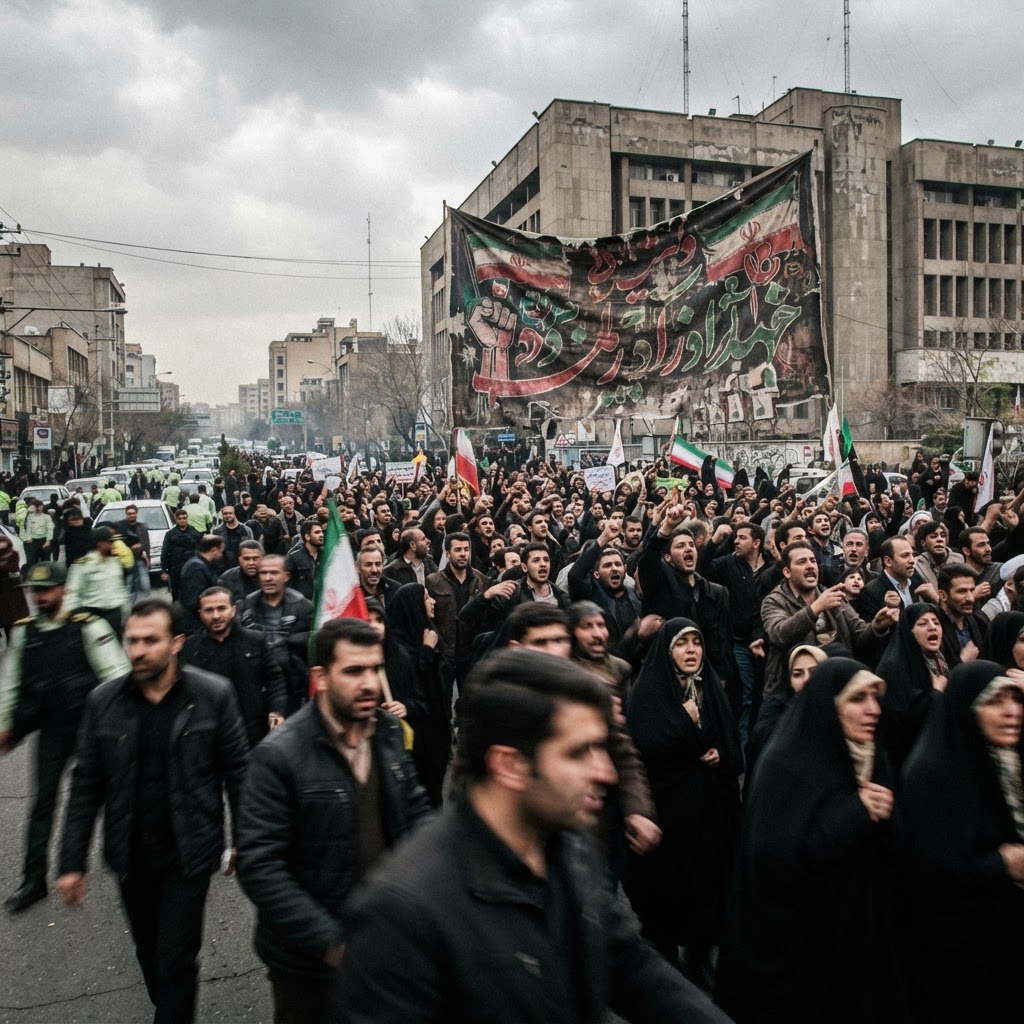
Following the recent U.S. midterm elections, which saw the Democratic Party secure control of both chambers of Congress, officials in Tehran have publicly characterized the outcome as a decisive rebuke of President Donald Trump’s foreign policy. Iranian parliamentary speaker Mohammad Bagher Ghalibaf stated that American voters had clearly signaled a desire to avoid further war, noting that the Iranian government supports this sentiment.
In the streets of Tehran, the political shift was met with a mix of defiance and celebration. During demonstrations marking the anniversary of the 1979 U.S. Embassy takeover, participants burned American and Israeli flags, with some local leaders framing the election results as a consequence of Iranian resilience. Tehran Mayor Alireza Zakani described the Republican losses as a significant defeat for both the United States and Israel, attributing the change in Washington to the strength of the Iranian nation.
Despite the celebratory rhetoric from some officials, Supreme Leader Mojtaba Khamenei offered a more cautious perspective. He warned that those anticipating a fundamental change in U.S. hostility toward Iran are seriously mistaken. Khamenei emphasized that the underlying strategic approach of the United States is unlikely to be altered by the domestic political turnover, urging his military commanders to remain prepared for any level of threat.
Public opinion within Iran remains divided regarding the potential impact of the U.S. election. While some government figures view the results as a diplomatic opening, many ordinary citizens expressed skepticism, suggesting that the political divide in Washington offers little relief for the economic pressures and sanctions currently facing the Iranian population. As the region watches for potential shifts in policy, the future of stalled diplomatic negotiations remains uncertain.
RELATED DISPATCHES
Discussion (0)
No comments yet. Be the first to join the discussion.