Susan Smith Denied Parole for Second Time
South Carolina board unanimously rejects release for mother convicted in 1994 drowning deaths of her two sons.
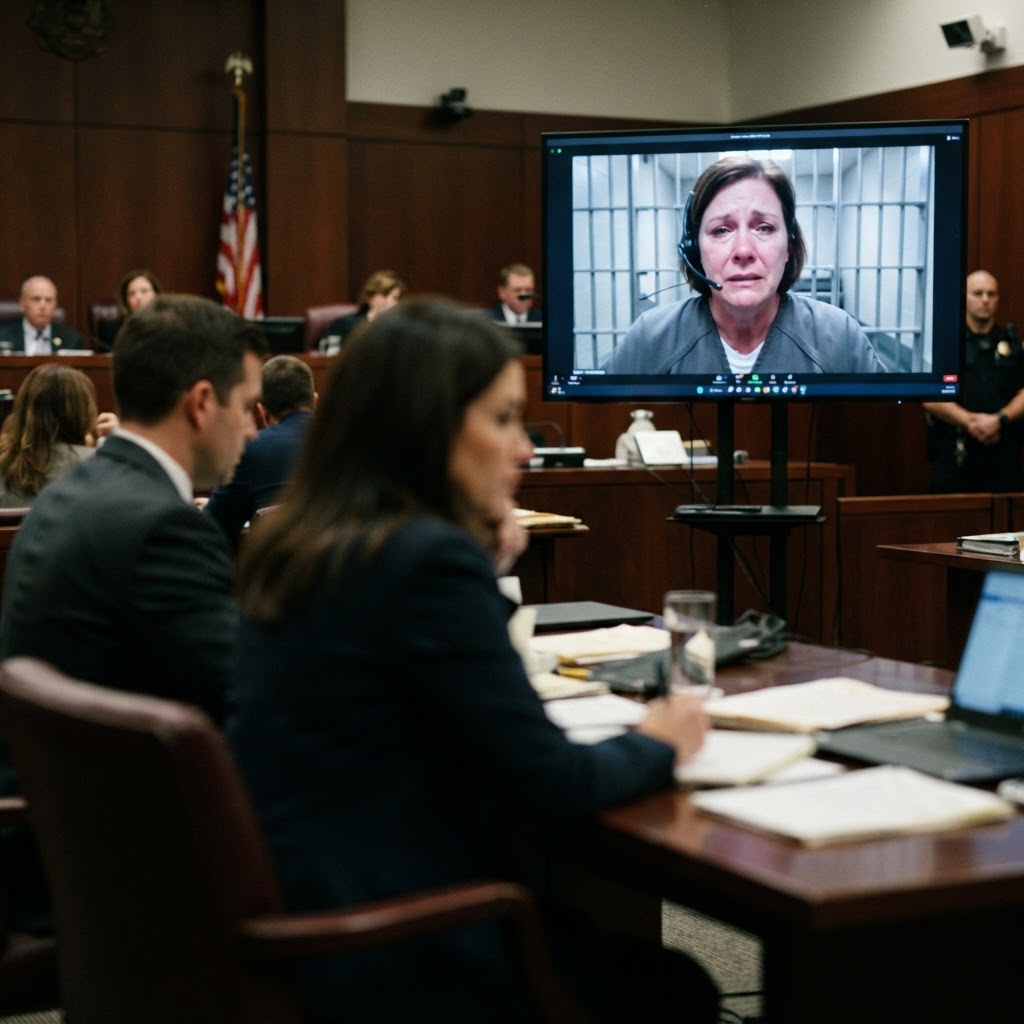
The South Carolina Board of Paroles and Pardons has unanimously denied parole for Susan Smith, marking the second time the 55-year-old has been rejected for release. Smith is currently serving a life sentence for the 1994 murders of her two young sons, 3-year-old Michael and 14-month-old Alex. The decision follows a hearing held on Thursday, where the board evaluated her suitability for conditional release.
During the proceedings, which Smith attended via video link from the Leath Correctional Institution, she expressed remorse for her actions. She acknowledged the gravity of the tragedy, stating that she had reached her lowest point when she allowed her vehicle to roll into John D. Long Lake with her children still buckled in their car seats. Despite her apology, the board maintained its stance, citing the extreme severity of the crime and the ongoing risk to the community.
The case, which shocked the nation over three decades ago, began when Smith initially fabricated a story about a carjacking by an armed man to cover up the drownings. She spent nine days publicly pleading for the return of her children before eventually confessing to the truth. Her deception triggered a massive, nationwide search that ultimately revealed the horrific reality of the boys' deaths.
David Smith, the father of the victims, appeared before the board to vehemently oppose his ex-wife's release. He described the loss of his children as a deliberate act of cruelty and argued that granting parole would be a profound injustice. Prosecutors from the original 1995 trial also attended the hearing, warning that Smith’s potential release could lead to further media exploitation and distress for the grieving family.
While Smith’s defense team pointed to her history of mental health struggles and her conduct while incarcerated as reasons for potential leniency, the board remained unmoved. Under the sentencing laws in effect at the time of her conviction, Smith became eligible for parole after 30 years. She is now permitted to reapply for a hearing every two years, ensuring that the debate over her imprisonment will continue for the foreseeable future.
RELATED DISPATCHES



Discussion (0)
No comments yet. Be the first to join the discussion.