Supreme Court to Tackle AR-15 Bans in Blockbuster Second Amendment Case
The justices are set to hear oral arguments on whether state and local prohibitions on popular semiautomatic rifles violate the Second Amendment.
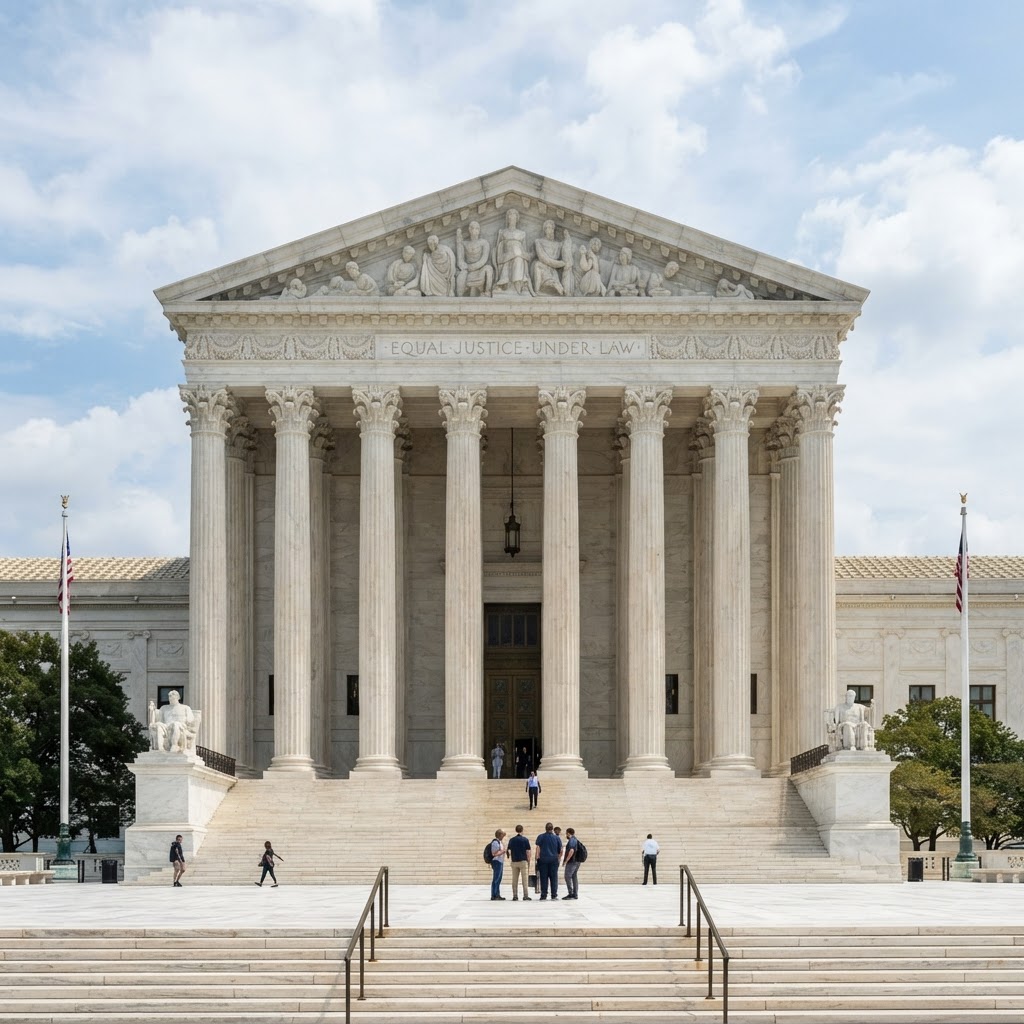
The U.S. Supreme Court is preparing for a landmark session on December 2, 2026, to determine the constitutionality of bans on AR-15-style rifles. The high court has consolidated two major challenges—Viramontes v. Cook County and Grant v. Higgins—to address whether the Second Amendment protects these widely owned firearms. This case marks the first time the justices will directly rule on the availability of such high-profile weapons, a subject that has remained at the center of the national gun debate for years.
At the heart of the legal dispute is the question of whether AR-15 platform rifles are in "common use" by law-abiding citizens. Challengers argue that under the precedent set in District of Columbia v. Heller, the government cannot categorically prohibit an entire class of arms that are commonly possessed for lawful purposes. They contend that because millions of Americans own these rifles for self-defense, hunting, and target shooting, they fall under constitutional protection.
Conversely, Cook County and the state of Connecticut maintain that their restrictions are lawful. They argue that these firearms are unusually dangerous and that their characteristics justify regulation. The government entities have urged the court to consider whether such weapons are proportional to the needs of self-defense, a legal approach that challengers claim is an attempt to revive the "interest balancing" test explicitly rejected by the Supreme Court in its 2022 Bruen decision.
The outcome of this case carries significant weight for gun policy across the United States. A ruling in favor of the challengers could invalidate existing bans in at least 11 states and numerous local jurisdictions, potentially forcing a major rewrite of firearm legislation nationwide. If the court sides with the local and state governments, it would affirm their authority to restrict these specific models, leaving the current patchwork of state laws largely intact.
Legal observers note that the stakes are both practical and symbolic. While the litigation has faced minor procedural hurdles—including a recent attempt by a lead plaintiff to withdraw from the Cook County case—the core constitutional question remains the primary focus. As the December hearing approaches, the decision is expected to provide much-needed clarity on the limits of government power to regulate popular semiautomatic rifles in the post-Bruen era.
RELATED DISPATCHES



Discussion (0)
No comments yet. Be the first to join the discussion.