Supreme Court to Review 1868 Federal Ban on Home Distilling
The high court will determine if a Reconstruction-era prohibition on private spirit production remains constitutionally valid.
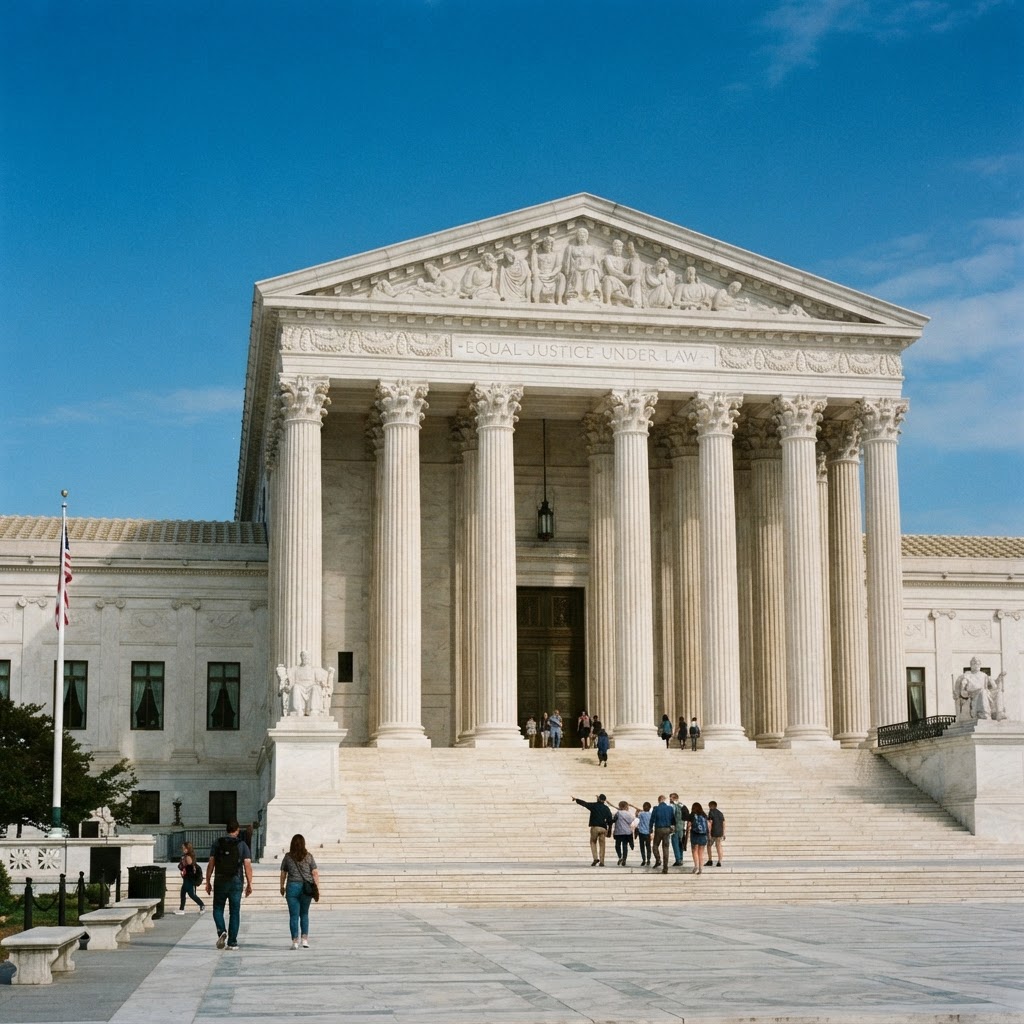
The U.S. Supreme Court has agreed to resolve a long-standing legal dispute regarding the federal prohibition on distilling spirits within private residences. The case centers on an 1868 statute originally enacted during the Reconstruction era, which was designed to prevent tax evasion by commercial liquor producers. Under current federal law, manufacturing distilled spirits at home is classified as a felony, carrying potential penalties of up to five years in prison and significant fines.
The legal challenge, brought by the Hobby Distillers Association and several individual plaintiffs, argues that the century-old ban exceeds the constitutional authority of Congress. Challengers contend that the government overstepped its taxation powers by criminalizing the production of spirits for personal use. This perspective gained traction when a lower court panel ruled the restriction unconstitutional, prompting the current appeal.
In contrast, the Trump administration has urged the Supreme Court to uphold the existing law. Government attorneys argue that the lower court’s decision was overly narrow and poses a direct threat to the integrity of federal tax collection on distilled products like whiskey and vodka. The administration maintains that the statute is a necessary and proper tool for enforcing federal revenue laws.
The Supreme Court’s intervention follows a split in rulings between different federal appeals courts, creating a need for a definitive national standard. While one circuit court previously declared the ban unconstitutional, another upheld it, leading to the current high-stakes review. The justices are expected to hear oral arguments in the coming months, with a final ruling anticipated by the end of June.
RELATED DISPATCHES

Discussion (0)
No comments yet. Be the first to join the discussion.